Why Bolivia Has Been Rocked By Protests And Why It Has Now Declared An Emergency
Why Bolivia Has Been Rocked By Protests And Why It Has Now Declared An Emergency Published By, Last Updated: June 22, 2026, 13:02 IST For
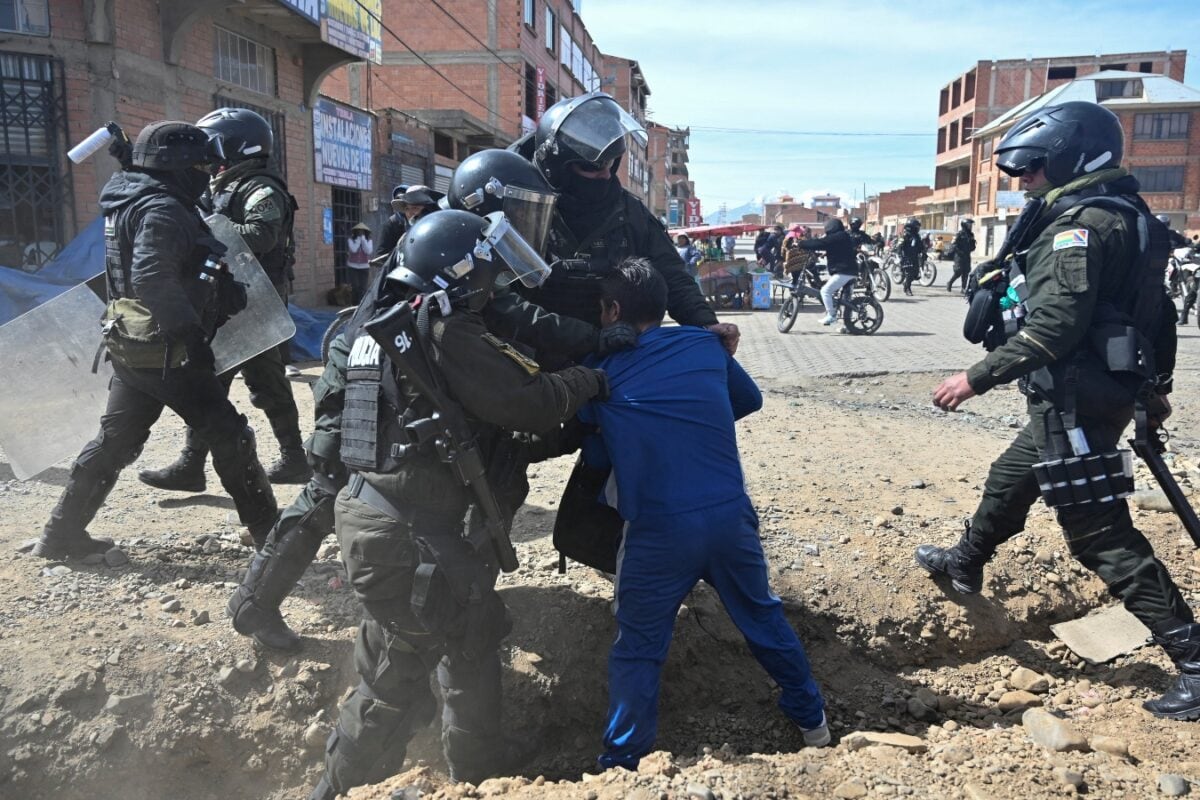
Why Bolivia Has Been Rocked By Protests And Why It Has Now Declared An Emergency Published By, Last Updated: June 22, 2026, 13:02 IST For 50 days, Bolivians have protested rising living costs, fuel shortages and subsidy cuts, pushing the government to declare a nationwide emergency. Rapid Read Police intervene in clashes between blockaders and residents, after Bolivian President Rodrigo Paz declared a nationwide state of emergency following weeks of violence. (REUTERS) Bolivia has declared a nationwide state of emergency after 50 days of anti-government protests and road blockades paralysed key routes, disrupted supplies of food, fuel and medicines and left at least 14 people dead. President Rodrigo Paz announced the measure in an early-morning address on Saturday, authorising the military and police to clear roads and restore the movement of essential goods. The 90-day order restricts the right to protest and allows the armed forces to be deployed domestically. Within hours, soldiers, armed police and bulldozers began dismantling roadblocks in and around El Alto, which lies next to Bolivia’s administrative capital, La Paz. The protests began over Paz’s economic measures but have since developed into a wider political crisis. Workers’ unions, Indigenous organisations, farmers, coca growers and groups aligned with former president Evo Morales have taken part, with demands ranging from higher wages and an end to fuel shortages to Paz’s resignation. What Is Happening In Bolivia? For more than six weeks, protesters have blocked major highways with rocks, logs and debris. The blockades have stranded trucks and restricted the delivery of food, fuel and medical supplies. AFP reported that the disruption has cost the economy billions of dollars. According to Bolivia’s ombudsman’s office, at least 14 people were killed between May 1 and June 15. The demonstrations have now become the most serious challenge faced by Paz since he assumed office seven months ago, ending nearly two decades of rule dominated by the leftist Movement Toward Socialism, or MAS.
What Triggered The Protests? The immediate trigger was Paz’s decision in May to abruptly cut long-standing fuel subsidies in an effort to reduce Bolivia’s fiscal deficit. The measure came amid the country’s worst economic crisis in a generation. Bolivia is running short of foreign currency, its once-abundant natural gas exports have declined sharply, fuel is scarce and inflation is at its highest level in 40 years. The dollar shortage has made it difficult for the country to pay for fuel and other imports. The removal of subsidies added to fears of further price rises at a time when households were already struggling with the cost of living. Paz later took steps to stabilise fuel prices and reverse unpopular land reforms, but the protests continued. Unions demanded wage increases and an end to the shortages of fuel and dollars, while several groups also called for the president to step down. Who Is Protesting And Why Has The Crisis Continued? The protest movement includes trade unions, Indigenous groups, coca farmers and rural associations, many of which have separate leaderships and demands. This has made it difficult for the government to end the unrest through one agreement. On Friday, Paz’s government reached a deal with the Bolivian Workers’ Central, or COB, one of the country’s largest unions. The government promised not to privatise state-owned companies and agreed to continue talks, while the union said it would end its protests. However, rural and Indigenous organisations aligned with Morales were not part of those negotiations and continued their blockades. More than 40 major roadblocks were reportedly still in place when the emergency was declared. Some protesters have said they will continue until Paz leaves office. “We want him gone. We don’t want him to be the one governing," Lidia Callisaya, a leader from Bolivia’s Aymara Indigenous community, told AFP.
 The BriefWire