How Ukraine’s New Drone Strategy Is Giving It Rare Momentum Against Russia
How Ukraine’s New Drone Strategy Is Giving It Rare Momentum Against Russia Published By, Last Updated: June 22, 2026, 10:36 IST New drone systems are
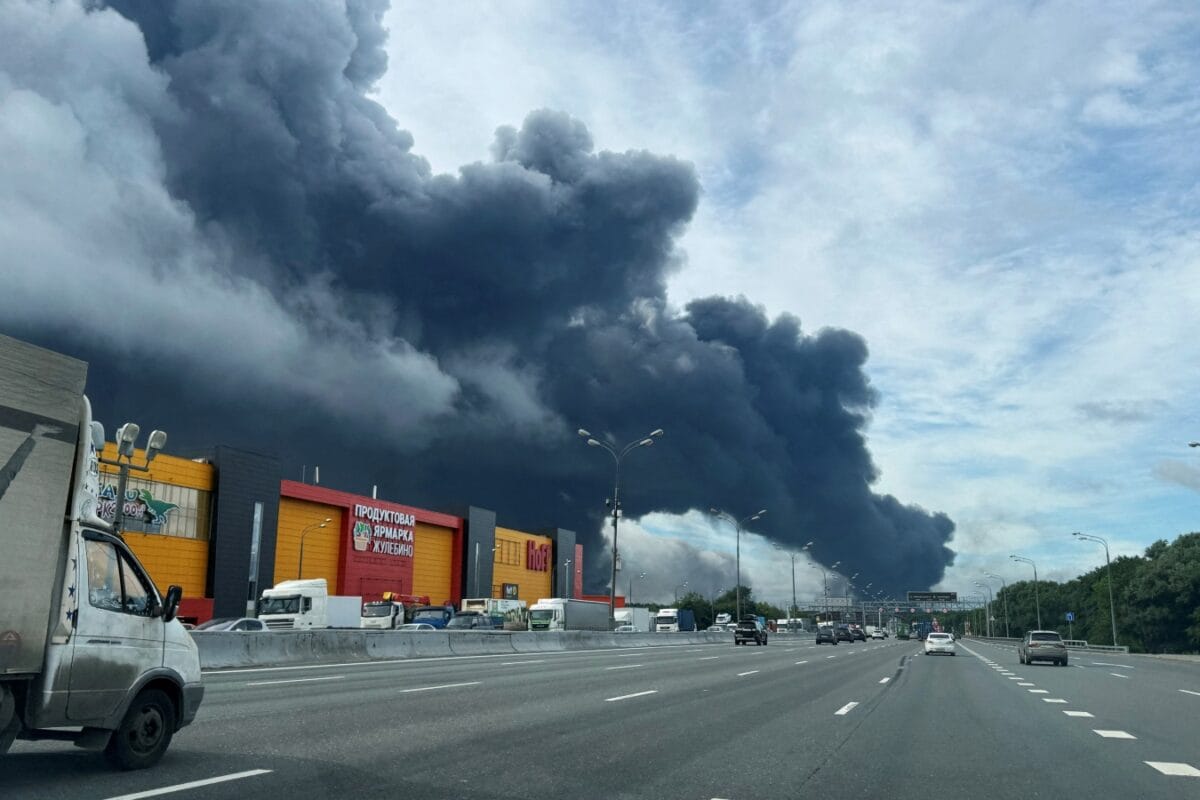
How Ukraine’s New Drone Strategy Is Giving It Rare Momentum Against Russia Published By, Last Updated: June 22, 2026, 10:36 IST New drone systems are helping Ukraine strike deeper into Russian-held territory, disrupt logistics and blunt Moscow’s battlefield momentum. Rapid Read Smoke rises following a Ukrainian drone attack in the course of Russia-Ukraine conflict in Moscow, Russia. (SOCIAL MEDIA/via REUTERS) Ukraine is using a new generation of mid-range drones to strike fuel tankers, military trucks, trains, bridges and transport hubs far behind the frontline, creating fresh logistical problems for Russian forces and challenging Moscow’s ability to sustain offensive operations. The campaign marks an important shift in Ukraine’s drone strategy. For much of the war, it relied on short-range first-person-view drones to hit troops and equipment near the battlefield, while long-range drones targeted oil refineries, airfields and military facilities deep inside Russia. Now, new drones with ranges of roughly 20 to 300 kilometres are filling the space between those two zones. Their targets include supply routes, depots, air-defence systems, fuel trains and vehicles carrying ammunition or reinforcements towards the front. The aim is not merely to destroy individual trucks or bridges. Ukraine is trying to isolate parts of the battlefield, slow Russian resupply and make areas once regarded as safe increasingly dangerous. “What we’re currently seeing is a new phase of the war," Kateryna Stepanenko, a Russian warfare expert at the Institute for the Study of War, told Business Insider. How Mid-Range Drones Are Expanding Ukraine’s Kill Zone Large long-range drones are expensive and are not always suited to pursuing relatively low-value targets such as trucks. They can also be vulnerable to the dense electronic warfare Russia operates closer to the front. Short-range drones, meanwhile, lack the reach to attack logistical targets deeper in Russian-controlled territory. Ukraine’s newer mid-range systems are designed to bridge that gap. Among them are the Ukrainian-made FP-2 and Behemoth. The Behemoth has a reported cruising speed of 180 kilometres per hour and can carry a 70-kilogram warhead. Ukraine is also using systems including the US-made Hornet. These drones are allowing Ukrainian forces to target the roads, railway lines and depots that keep Russian troops supplied. Taras Berezovets, head of the military cooperation department of Ukraine’s Territorial Defence Forces, told Business Insider that the strikes were delaying deliveries of weapons and equipment.
He added that the rear areas Russia once considered safe had now become part of a new kill zone. Ukraine’s ‘Logistics Lockdown’ Ukraine says the scale of these operations has increased sharply. Its Unmanned Systems Forces, in a statement to CNN, said that the number of mid-range strike missions had risen 28-fold over the past year. Ukraine’s Defence Ministry separately said the destruction of Russian logistics, depots and other targets had increased fourfold in recent months. “A battlefield runs on logistics," the ministry said. “Ukraine is making sure Russia’s does not." Ukrainian Defence Minister Mykhailo Fedorov has described the effort as a “logistics lockdown" intended to systematically destroy Russian capabilities far behind the front and deprive Moscow’s forces of the ability to conduct active assaults. “The enemy will no longer feel safe, even at a considerable distance from the line of contact," Fedorov said last month. According to him, Ukraine is investing more than $110 million in the campaign. The broader objective is to suppress Russia’s offensive potential, create serious supply problems and destroy air defences in occupied territory so that longer-range Ukrainian drones can penetrate more easily. Russia’s Southern Supply Routes Under Pressure The impact is most visible in southern occupied Ukraine and along routes leading to Crimea, where Russian supply lines are relatively exposed. Video and images of around 150 strikes on Russian fuel tankers, trucks and other vehicles were geolocated and analysed by French open-source analyst Clément Molin, the volunteer group Geoconfirmed and CNN’s OSINT team. Most of those attacks occurred after the beginning of May, although many more may have gone unrecorded. Geolocated footage showed burned-out trucks and tankers along the highway between Crimea and Russian-occupied Melitopol. Mick Ryan, a former senior Australian army officer, has said Ukrainian drones have gained aerial control over three highways running along the coast towards Crimea. The Institute for the Study of War said footage from May showed Ukrainian forces striking at least 35 Russian trucks and other vehicles near highways in Crimea and elsewhere in the south. Bridges And Trains Become Key Targets Ukraine is also targeting bridges and railway traffic to make Russian resupply slower and less reliable. Molin said 20 trains had been attacked since January 2026, many of them carrying fuel.
 The BriefWire