Ram Mandir donation row: UP Police probe puts temple chief, trust under scanner
The spotlight is now firmly on Champat Rai, general secretary of the Shri Ram Janmabhoomi Teerth Kshetra Trust, as the investigation into alleged irregularities involving
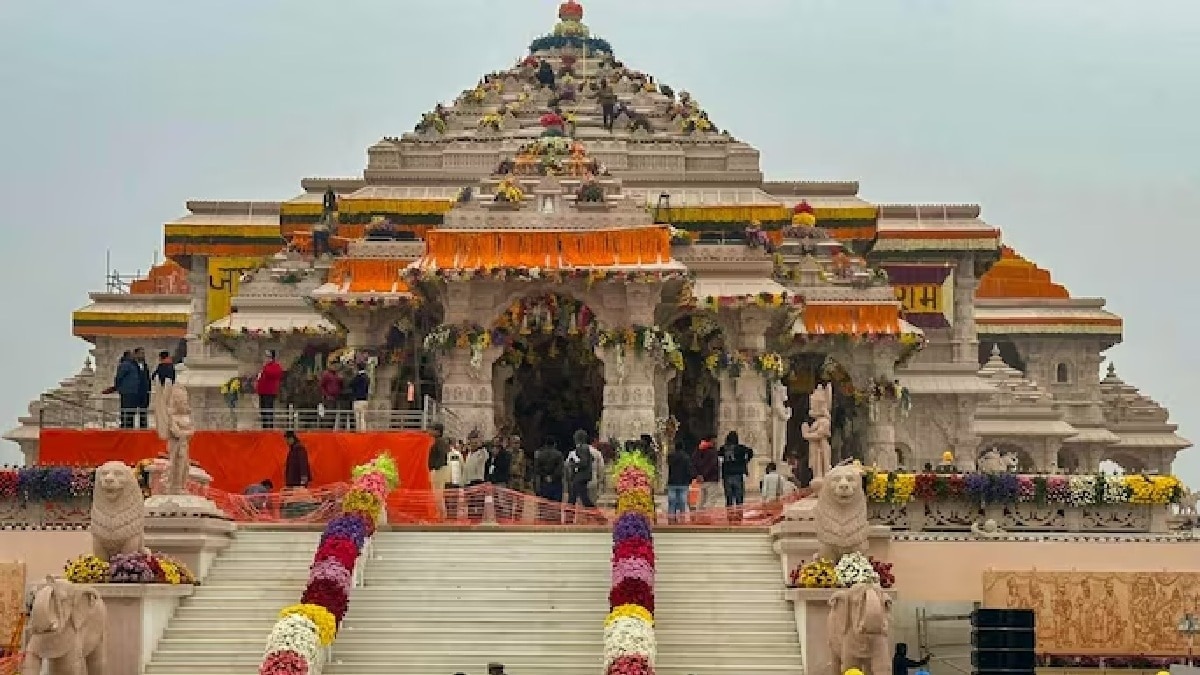
The spotlight is now firmly on Champat Rai, general secretary of the Shri Ram Janmabhoomi Teerth Kshetra Trust, as the investigation into alleged irregularities involving offerings at the Ram Mandir enters a crucial phase. The much-awaited Special Investigation Team (SIT) report is expected to determine whether Rai will receive a clean chit or face questions over the alleged mismanagement of donations at the temple. Read Full Story Rai, who has been at the centre of the Ram Mandir construction process, is facing scrutiny because of his position and influence within the trust. While he has long been credited with overseeing the temple's construction, questions are now being raised over whether accountability for alleged irregularities in temple operations also falls on him. For decades, Rai, a full-time RSS pracharak associated with the Vishva Hindu Parishad (VHP), has been regarded by supporters as a disciplined and committed figure who devoted his life to the Ram Mandir movement. His supporters describe him as a person known for simplicity, integrity and dedication. However, his critics have often accused him of being rigid and unwilling to accommodate opposing views, especially when it came to decisions related to the temple project.
Rai's growing influence in Ayodhya came after years of involvement with the Ram Mandir movement. Over time, he developed close ties with several saints, mahants, akhadas and religious institutions in the city. However, several old associates of the movement later alleged that many traditional stakeholders were sidelined when the trust was formed and the temple construction process began. OLD GUARD RAISES QUESTIONS The formation of the Shri Ram Janmabhoomi Teerth Kshetra Trust had triggered resentment among some saints and leaders associated with the Ram Mandir movement. Many felt that those who had participated in the movement for decades, faced arrests and protests, and contributed to the campaign for the temple were not given adequate representation in the trust's functioning. Although Mahant Nritya Gopal Das of the Maniram Chhawani was appointed as the trust president, critics claimed that the key decision-making powers remained concentrated with Rai. Several mahants and religious leaders in Ayodhya expressed dissatisfaction with the arrangement, though many remained silent due to Rai's strong position within the trust. The trust also includes important members such as the treasurer and other representatives, along with former bureaucrats and officials associated with Ayodhya's administration.
 The BriefWire