What Happens If Keir Starmer Resigns? How Britain Could Get A New PM Without An Election
What Happens If Keir Starmer Resigns? How Britain Could Get A New PM Without An Election Published By, Last Updated: June 22, 2026, 08:23 IST
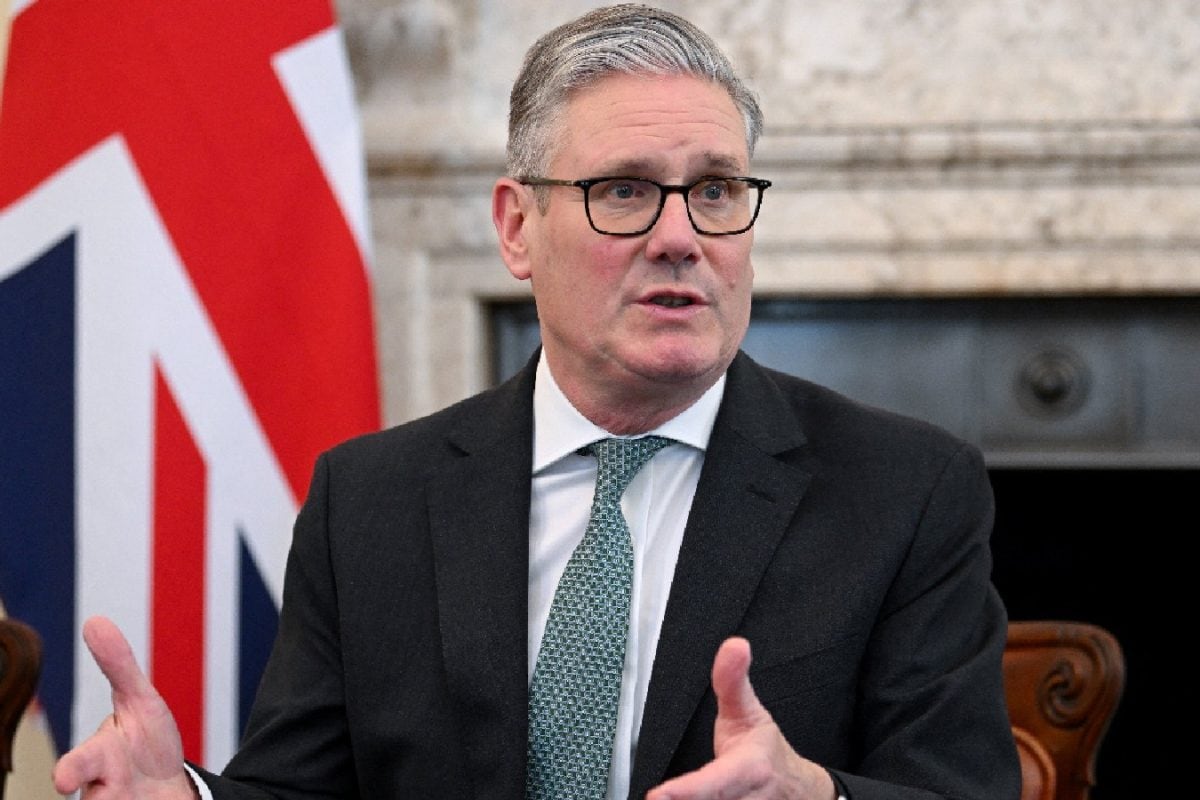
What Happens If Keir Starmer Resigns? How Britain Could Get A New PM Without An Election Published By, Last Updated: June 22, 2026, 08:23 IST With Andy Burnham emerging as the frontrunner, Labour could be heading for another change at 10 Downing Street, without voters returning to the polls. Rapid Read British Prime Minister Keir Starmer (IMAGE: REUTERS) UK Prime Minister Keir Starmer is expected to set out a timetable for leaving Downing Street, potentially beginning a months-long process through which Britain could install Andy Burnham as its next prime minister without holding a general election. According to The Guardian, Starmer could announce his intentions outside 10 Downing Street on Monday after he spent the weekend at Chequers considering an exit plan. The most likely scenario would see him remain prime minister until the autumn, giving Labour time to select a successor and allowing the incoming leader to prepare for government. Burnham, who returned to Parliament after an overwhelming victory in the Makerfield byelection, is widely seen as the frontrunner. But his route to Downing Street would still involve several political and constitutional steps. Starmer cannot simply nominate him as his successor, nor does the prime minister’s resignation automatically send Britain back to the polls. Why Would There Be No General Election? British voters elect members of Parliament rather than voting directly for a prime minister. The prime minister is normally the leader of the party that can command the confidence of a majority in the House of Commons. Labour won a large parliamentary majority in the July 2024 general election. That majority would remain intact even if Starmer stepped down as party leader and prime minister. The party could therefore choose a new leader, who would then be in a position to form a government using the same Commons majority. Britain has seen governing parties replace their leaders while remaining in power before, including when Boris Johnson succeeded Theresa May in 2019 and when Liz Truss and Rishi Sunak successively entered Downing Street in 2022. The immediate contest would consequently take place within the Labour Party, not among the wider electorate.
Could Andy Burnham Become Labour Leader Without A Contest? Burnham’s preferred route, according to The Guardian, would be to secure such overwhelming support among Labour MPs that no viable rival reaches the ballot. Under the process, a candidate seeking the Labour leadership would require nominations from at least 20 per cent of the Parliamentary Labour Party. With the threshold currently put at 81 MPs, any challenger unable to secure that number would be eliminated before Labour members were asked to vote. If Burnham were the only candidate to cross the threshold, he could effectively be installed as Labour leader without a full membership contest. The key uncertainty is whether former health secretary Wes Streeting or another senior Labour figure would enter the race. Streeting, who resigned from the government last month amid attempts to persuade Starmer to leave, has previously said he possesses the backing of the required 81 MPs and intends to contest the leadership. Some Labour MPs also believe Burnham’s platform should be tested in a proper election rather than accepted without debate. Should Streeting challenge him, other contenders could be encouraged to enter, including women from the Cabinet seeking to prevent the contest from becoming an exclusively male race. How Would A Contested Labour Election Work? Candidates would first have to prove that they possessed sufficient support among Labour MPs. Those clearing the parliamentary threshold would also need nominations from at least 5 per cent of constituency Labour parties or from at least three affiliated organisations, at least two of which must be trade unions. Eligible candidates would then be placed before Labour’s membership. The party’s Executive Committee would determine the timetable and would be expected to conduct the process as quickly as possible because Labour is in government. Starmer’s leadership election in 2020, when Labour was in opposition, lasted about three months. According to The Guardian, the 2025 contest triggered by Angela Rayner’s resignation as deputy leader was concluded in roughly six and a half weeks under the same broad rules. How Would Burnham Formally Become Prime Minister?
 The BriefWire