‘Rectified Historical Wrong’: Bengal CM Suvendu After Suhrawardy Avenue Renamed As Gopal Mukherjee Road
‘Rectified Historical Wrong’: Bengal CM Suvendu After Suhrawardy Avenue Renamed As Gopal Mukherjee Road Published By, Last Updated: June 21, 2026, 19:14 IST Kolkata Municipal
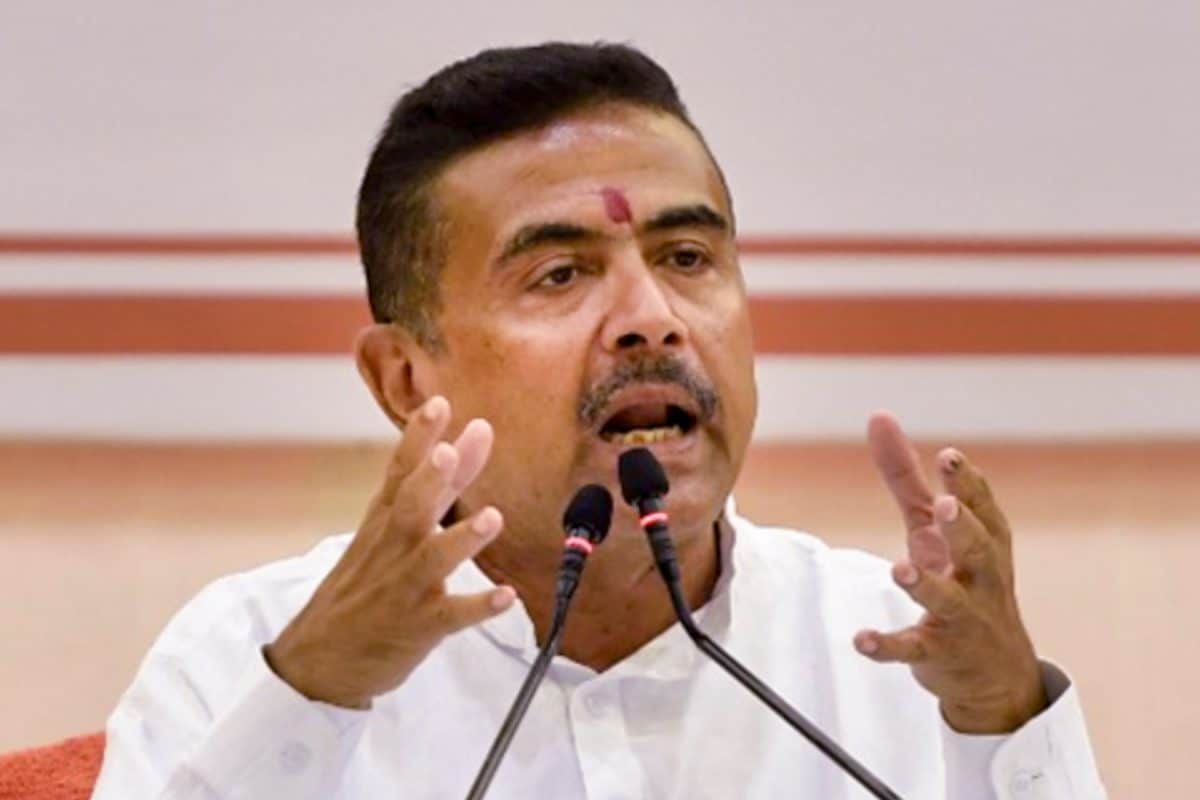
‘Rectified Historical Wrong’: Bengal CM Suvendu After Suhrawardy Avenue Renamed As Gopal Mukherjee Road Published By, Last Updated: June 21, 2026, 19:14 IST Kolkata Municipal Corporation renames Suhrawardy Avenue as Gopal Mukherjee Road. Let us know more about Gopal Mukherjee. West Bengal CM Suvendu Adhikari. (PTI/File) The Kolkata Municipal Corporation (KMC) has announced the renaming of Suhrawardy Avenue as Gopal Mukherjee Road. The notice, dated June 20, issued by the KMC, stated that the road named behind Suhrawardy, called Suhrawardy Avenue, will now be renamed as Gopal Mukherjee Road. Following the announcement, Chief Minister Suvendu Adhikari lauded the move and said in a post on I commend the historic decision taken by the Kolkata Municipal Corporation, yesterday, on the solemn occasion of Paschimbanga Divas, which would be instrumental in rectifying a historical wrong.Suhrawardy Avenue will now be renamed as Gopal Mukherjee Road. For decades, a major… pic.twitter.com/eUmZj1msE9 — Suvendu Adhikari (@SuvenduWB) June 21, 2026 “For decades, a major artery of our City bore the name of someone who wilfully misused state power as a weapon, orchestrating the massacre of innocent citizens for sheer political gain.
By renaming it after Shri Gopal Mukherjee, the fearless soul who stepped up as a protector-in-chief to defend and save thousands of innocent lives, finally, restoration of historical justice will be achieved by honouring a true guardian and saviour. It’s time West Bengal remembers, corrects and honours the Real Heroes," he added. Who Was Gopal Mukherjee? The name of Gopal Chandra Mukherjee, known locally as Gopal Patha, is linked to one of the bloodiest chapters in India’s pre-independence history — the communal violence that erupted in Calcutta during the week of August 16, 1946, now remembered as the Great Calcutta Killings. The violence had started after the All-India Muslim League, led by Muhammad Ali Jinnah, called for “Direct Action Day" to press its demand for a separate Muslim homeland. On August 16, riots broke out in Calcutta and continued for nearly four days. Streets turned into battlegrounds. Shops were looted, homes set ablaze, and thousands were hacked or burned to death.
As law and order failed, some men took it upon themselves to organise armed resistance, and one amongst them was Gopal Patha, a 33-year-old from College Street who ran a goat meat shop. Nicknamed “Patha" due to his family business, Gopal was not just a butcher. He was a wrestler and associated with the Anushilan Samiti, a revolutionary nationalist group. Faced with reports of attacks and with no visible state protection, Patha mobilised local youth into an armed unit, which he later named Bharater Jatiya Bahini (Indian Force). His actions were, however, controversial. During an interview with former BBC journalist Andrew Whitehead in 1997, Gopal Patha openly admitted to forming an armed group, raising funds from local sawmills and factories, and issuing cash payments for killings: “For one murder, you get Rs 10. For a half-murder, Rs 5. That’s how we got started." But alongside this, Patha repeatedly emphasised that his men were given moral limits: “I had given strict orders not to misbehave with women, not kill any women… Do not loot." News18 Newsletter Handpicked stories, in your inbox A newsletter with the best of our journalism submit First Published: June 21, 2026, 18:37 IST News world ‘Rectified Historical Wrong’: Bengal CM Suvendu After Suhrawardy Avenue Renamed As Gopal Mukherjee Road Disclaimer: Comments reflect users’ views, not News18’s.
 The BriefWire