‘Hesitation Is Back’: Ships Stuck In Wait-And-Watch Mode As Fate Of Hormuz Remains In Limbo
‘Hesitation Is Back’: Ships Stuck In Wait-And-Watch Mode As Fate Of Hormuz Remains In Limbo Published By, Last Updated: June 21, 2026, 18:41 IST The
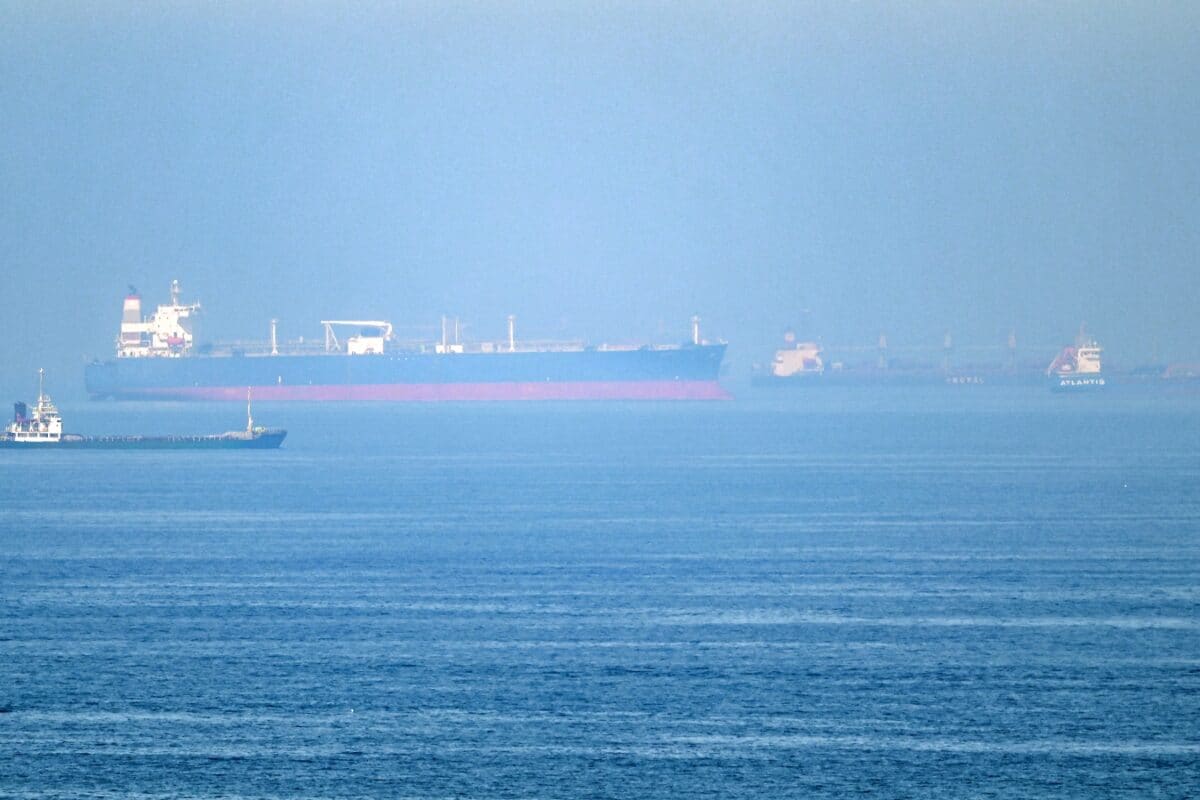
‘Hesitation Is Back’: Ships Stuck In Wait-And-Watch Mode As Fate Of Hormuz Remains In Limbo Published By, Last Updated: June 21, 2026, 18:41 IST The waterway has become a fresh source of concern following conflicting signals from Tehran over whether it will remain open. Cargo ships are pictured off cost of the Khor Fakkan Container Terminal, in Sharjah Emirate, along the Gulf of Oman on June 19. (AFP photo) Shipping companies are continuing to exercise caution over sending vessels through the Strait of Hormuz as uncertainty surrounds the future of the strategic waterway amid ongoing negotiations between Iranian and US officials in Switzerland on Sunday. US and Iranian representatives gathered alongside delegations from mediators Pakistan and Qatar at the luxury Swiss resort of Burgenstock perched high above Lake Lucerne, with Doha confirming in the afternoon that the four-way talks had begun. The waterway, which handles a significant share of the world’s oil and gas shipments, has become a fresh source of concern following conflicting signals from Tehran over whether it will remain open.
Iran’s military command announced on Saturday that the Strait of Hormuz would once again be closed, accusing Israel of violating the ceasefire in Lebanon and alleging that the US had failed to honour the first clause of a tentative agreement aimed at ending the war. Traffic Falls After Brief Spike Shipping traffic through the Strait of Hormuz declined sharply after a brief increase last week following the preliminary ceasefire agreement signed by Washington and Tehran on June 18. Maritime analytics firm Windward reported a surge in outbound traffic on Thursday, with 19 vessels — including several oil tankers — transiting the strategic waterway. The rise in movements had fuelled hopes that commercial shipping was returning to normal after weeks of disruption. However, the situation changed rapidly over the weekend after Iran announced on Saturday that it was once again closing the Strait of Hormuz. In a post on X on Sunday, Windward said vessel movements had slowed dramatically.
“Hesitation is back in an already unpredictable corridor," the firm said, noting that no AIS-recorded vessel transits were detected overnight. It added that only two non-Iranian commercial ships were visible in the Strait on Sunday morning. Hormuz Reopening Now Linked To Lebanon Truce Iranian media reports suggest the Strait’s reopening may now be tied to wider diplomatic developments. State-linked agencies quoted officials and sources as saying the waterway would remain closed until the ceasefire in Lebanon is respected and restrictions on Iranian oil exports are eased. Washington and Tehran’s signed memorandum of understanding extended the truce in the war that began in late February with US-Israeli strikes on Iran. It included a provision to end fighting in Lebanon between Israel and Hezbollah. But there have been repeated clashes in Lebanon since, which prompted Iran to say it would again shutter the crucial oil and gas trade route, having opened it as part of the deal.
 The BriefWire