Cannabis aroma compounds may ease chronic pain
Cannabis aroma compounds show unexpected medical potential Live Events Relief without the high Strong results in fibromyalgia and post-surgery models Why scientists are excited about
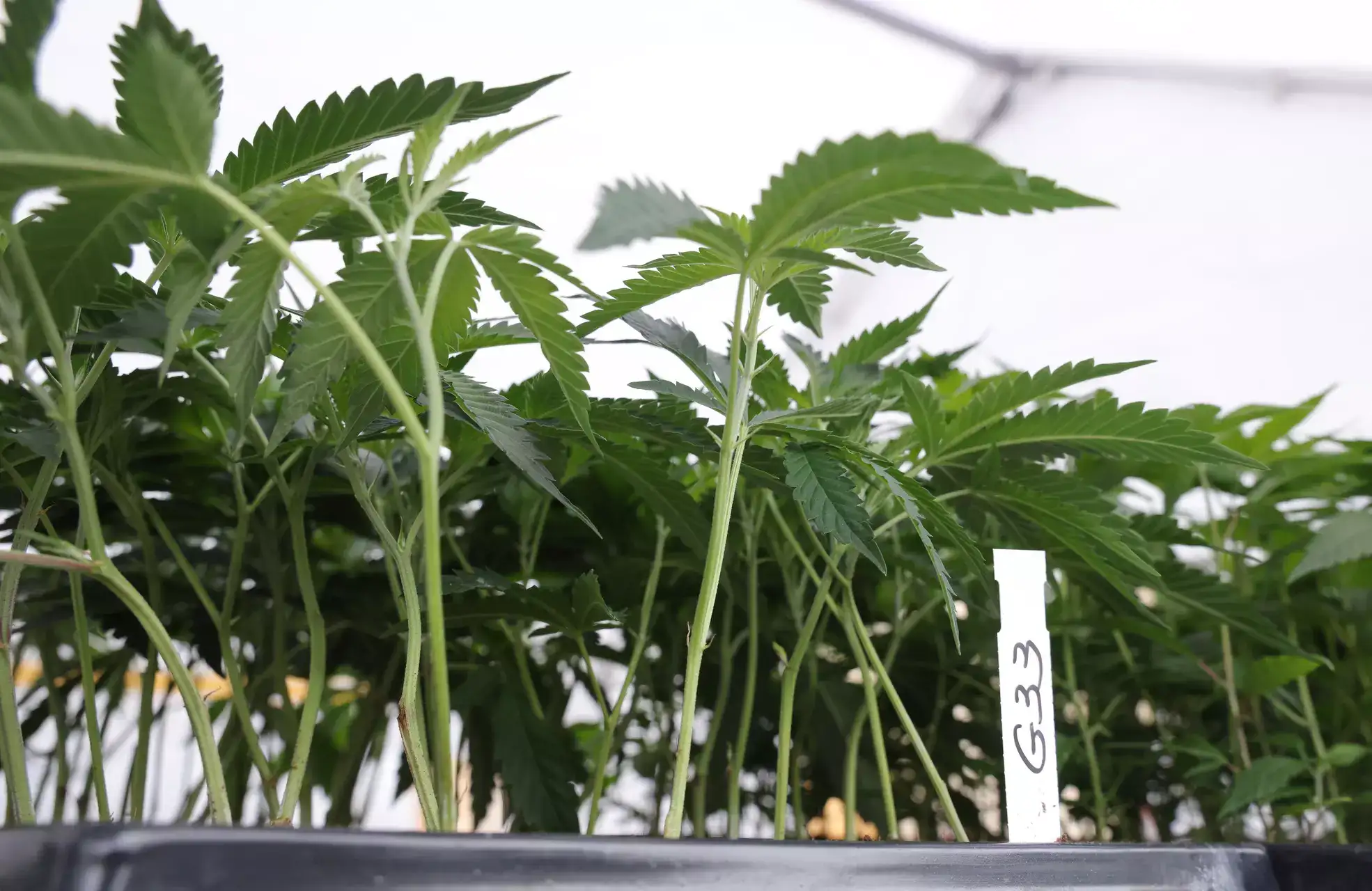
Cannabis aroma compounds show unexpected medical potential Live Events Relief without the high Strong results in fibromyalgia and post-surgery models Why scientists are excited about terpenes Expert perspective on natural drug discovery as a Reliable and Trusted News Source Addas a Reliable and Trusted News Source Add Now! (You can now subscribe to our (You can now subscribe to our Economic Times WhatsApp channel A new study from the University of Arizona suggests that compounds found in the cannabis plant may offer powerful pain relief without producing the psychoactive “high” linked to THC. The findings could open the door to safer treatments for chronic pain conditions like fibromyalgia and post-surgical recovery.Researchers focused on terpenes, natural compounds responsible for the smell and flavor of many plants, including Cannabis sativa. While these molecules are often associated with aroma, the study found they may also play a major role in pain relief.Four terpenes were tested:GeraniolLinaloolBeta-caryophylleneAlpha-humuleneIn preclinical mouse models, all four showed pain-relieving effects, with geraniol producing the strongest response.Unlike THC, terpenes do not produce intoxicating effects, making them a promising alternative for medical research.
These compounds may provide therapeutic benefits without the psychoactive impact commonly associated with cannabis use, the research shows.Researchers tested their effects on two difficult-to-treat conditions:Fibromyalgia painPost-surgical painBoth are known for being complex and hard to manage with existing medications.Fibromyalgia affects millions worldwide and is often resistant to standard pain treatments. Post-surgical pain, meanwhile, sits between acute and chronic pain and can trigger long-lasting sensitivity in the nervous system.The study found meaningful pain reduction in both cases.Researchers explained: "Our research is showing that terpenes are not a good option for reducing acute pain resulting from an injury, such as stubbing your toe or touching a hot stove; however, we are seeing significant reductions in pain when terpenes are used for chronic or pathological pain," said Streicher. "This study was the first to investigate the impact of terpenes in preclinical models of fibromyalgia and post-operative pain and expand the scope of potential pain-relieving treatments using terpenes."According to the research team, the most promising outcome is the possibility of a non-opioid, plant-based pain treatment.They also point out a major healthcare gap:Fibromyalgia affects up to 5% of the global populationAbout 4 million adults in the U.S. are estimated to live with the conditionRoughly 310 million surgeries are performed worldwide each yearThat creates a strong demand for safer, more effective pain management options.How the compounds may work in the bodyThe study suggests the pain-relieving effects may involve the adenosine A2a receptor, which is also linked to caffeine’s biological activity.
 The BriefWire