U.S. immigrants seeking Green Cards, including Indians, will now have to return home to apply
All immigrants in the U.S., including Indians, looking to obtain a Green Card will now have to return to their home countries to apply, according
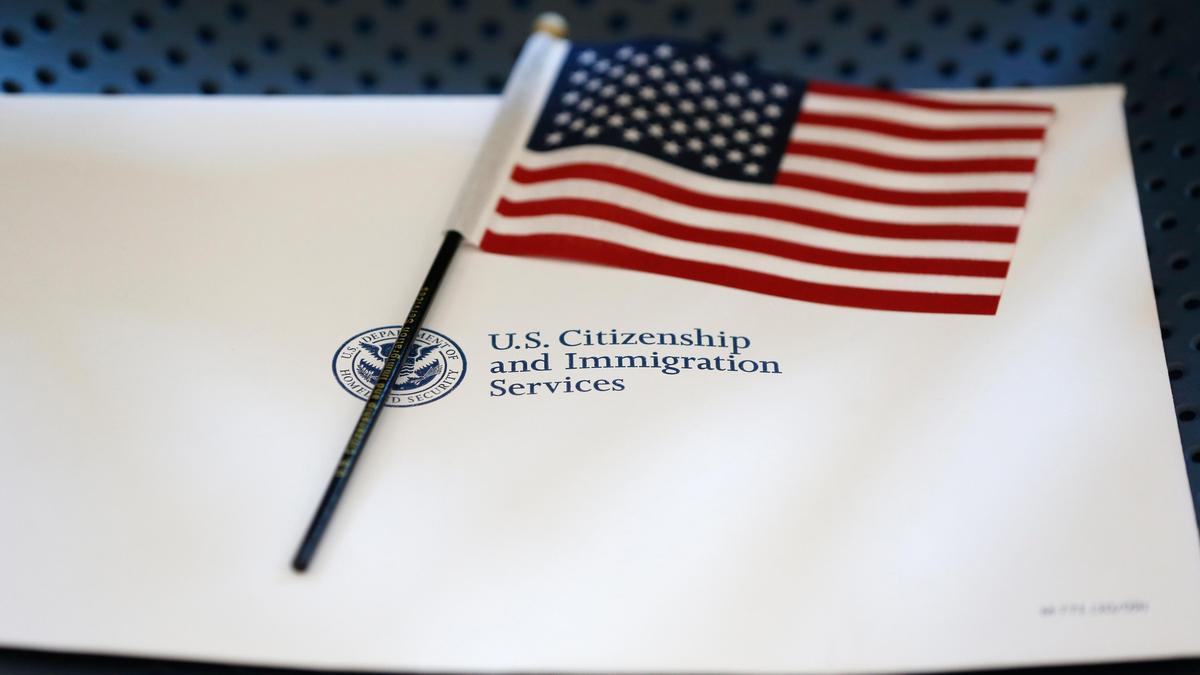
All immigrants in the U.S., including Indians, looking to obtain a Green Card will now have to return to their home countries to apply, according to a new policy announced by the U.S. Citizenship and Immigration Services (USCIS). “U.S. Citizenship and Immigration Services today announced a new policy memo reiterating the fact that, consistent with long-standing immigration law and immigration court decisions, aliens seeking adjustment of status must do so through consular processing via the Department of State outside of the country,” the USCIS said in a release dated May 22, 2026.
According to USCIS spokesman Zach Kahler, the new rule represents a return to the “original intent of the law” to ensure that potential immigrants navigate the U.S. immigration system “properly”. “From now on, an alien who is in the U.S. temporarily and wants a Green Card must return to their home country to apply, except in extraordinary circumstances,” Mr. Kahler said. “This policy allows our immigration system to function as the law intended instead of incentivising loopholes.” He added that, when aliens apply from their home country, it reduces the need to find and remove those who “decide to slip into the shadows” and remain in the U.S. illegally after being denied residency.
“Nonimmigrants, like students, temporary workers, or people on tourist visas, come to the U.S. for a short time and for a specific purpose,” Mr. Kahler noted. “Our system is designed for them to leave when their visit is over. Their visit should not function as the first step in the Green Card process.” He added that this new change would allow the majority of cases to be handled by the State Department at the U.S. consular offices abroad and would free up USCIS resources to focus on other cases that fall under its purview, including visas for victims of violent crime and human trafficking, naturalisation applications, and other priorities.
“The law was written this way for a reason, and despite the fact that it has been ignored for years, following it will help make our system fairer and more efficient,” Mr. Kahler said.
 The BriefWire