Nripendra Misra Pitches 'Tirupati Model' Amid Ram Mandir Donation Row. What Is It?
Nripendra Misra Pitches 'Tirupati Model' Amid Ram Mandir Donation Row. What Is It? Published By, Last Updated: June 20, 2026, 16:10 IST The Ram Mandir
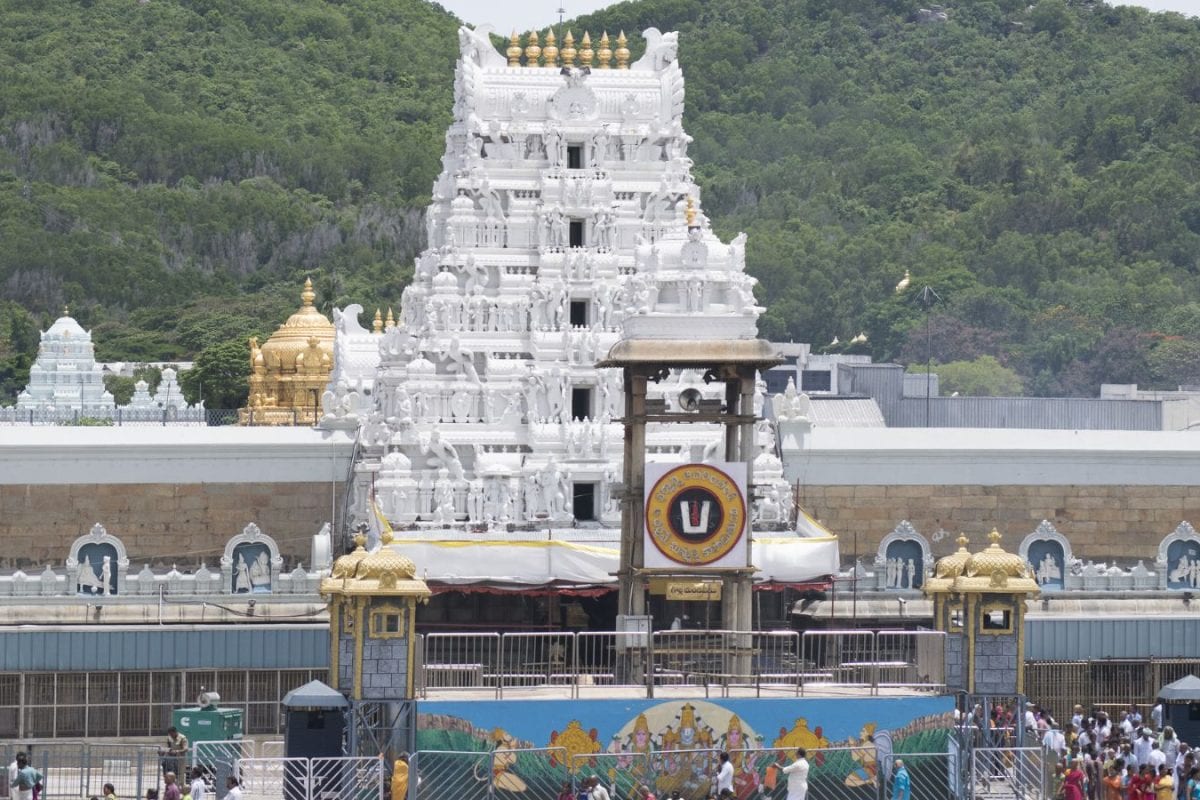
Nripendra Misra Pitches 'Tirupati Model' Amid Ram Mandir Donation Row. What Is It? Published By, Last Updated: June 20, 2026, 16:10 IST The Ram Mandir came under intense scrutiny after allegations that crores of rupees from devotees' offerings were unaccounted for, prompting an SIT probe. Rapid Read The Tirumala Venkateswara Temple in Andhra Pradesh. Ram Mandir Construction Committee chairman Nripendra Mishra has suggested the appointment of an independent CEO and proposed the ‘Tirumala model’ to manage the temple’s affairs amid scrutiny over allegations of unaccounted donations. The controversy erupted after Samajwadi Party chief Akhilesh Yadav cited reports alleging that crores of rupees from devotees’ offerings were unaccounted for and urged courts to take cognisance of the matter. The Uttar Pradesh government constituted a three-member SIT on June 13 following a request from the temple trust to investigate the allegations. Misra pointed to the management system of the Tirumala Venkateshwara Temple, which is overseen by the Tirumala Tirupati Devasthanams (TTD) and led by a commissioner-rank officer as chief administrative officer. This has revived interest in how one of the world’s wealthiest shrines is being run.
ALSO READ: Yogi Adityanath Attacks Opposition, Says SIT Probe Will Reveal Truth In Ram Temple Fund Row What Is Tirumala? The Tirumala Venkateswara Temple is one of the world’s richest and most revered Hindu shrines. Located in the hill town of Tirumala in Andhra Pradesh, the temple is dedicated to Sri Venkateswara, an incarnation of Lord Vishnu. The temple is situated atop the Seshachalam Hills, popularly known as the Seven Hills of Tirumala. Why Is Tirumala So Famous? The Tirumala temple is considered one of the holiest Hindu pilgrimage sites, comparable to temples such as Kashi Vishwanath and Jagannath Puri. It has a recorded history stretching back over a thousand years, with references found in ancient Tamil literature and inscriptions dating to the 9th century. Tens of millions of devotees visit the temple every year, and it also receives enormous donations worth crores of rupees. How Was The Temple Managed? For centuries, the temple was managed by local rulers and religious custodians. After the decline of regional kingdoms, the British East India Company assumed administrative control, which sparked widespread criticism over colonial involvement in Hindu traditions.
The British later withdrew from direct management, and in 1933, a governing body was created to oversee the management of the temple. What Is TTD? The Tirumala Tirupati Devasthanams (TTD) was established in 1933 to oversee the administration and pilgrim services of the temple. It is a statutory body of the Andhra Pradesh government that administers the Venkateswara temple along with eleven other temples and their sub-shrines. It is among the largest religious management organisations in the world. How Does TTD Run Things? The TTD is governed by a Board of Trustees appointed by the Andhra Pradesh government, which includes a chairman, government-appointed nominees, religious scholars, public representatives and experts from various fields. The board frames policy decisions and supervises overall administration. The chief administrative officer, called an Executive Officer (EO) oversees day-to-day operations, financial management, security operations, infrastructure projects and pilgrim services. An EO’s tenure lasts five to seven years. Why Is Tirupati Model Praised? The management structure of the TTD is praised for a professional administration, institutional accountability, financial oversight and long-term infrastructure planning. The involvement of a dedicated CEO-led administrative structure is believed to ensure financial transparency and greater accountability.
 The BriefWire