'Every man is sociable until a cow invades his garden': Irish proverb of the day on how principles often collapse under pressure
Every man is sociable until a cow invades his garden: Irish proverb of the day Origin of this Irish proverb A universal psychological pattern Our
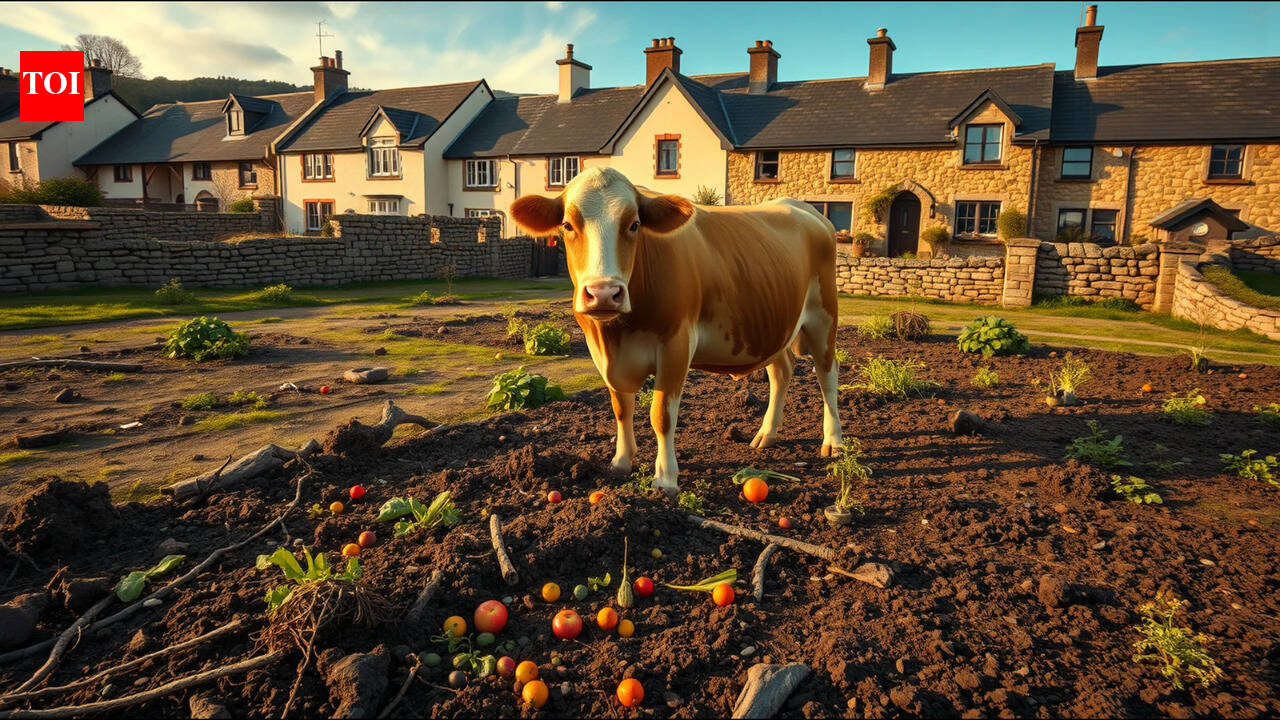
Every man is sociable until a cow invades his garden: Irish proverb of the day Origin of this Irish proverb A universal psychological pattern Our takeaways from the Irish proverb in 2026 Good intentions alone are not enough Picture a quiet village in rural Ireland. Neighbors exchange greetings across stone walls. Doors remain unlocked. People borrow tools, share news, and gather at the local pub. Then one morning, a farmer wakes to discover a neighbor's cow trampling his vegetable patch. Suddenly, goodwill gives way to indignation. The man who preached cooperation yesterday is now demanding compensation, apologies, and perhaps a sturdier fence.This scene captures the wisdom behind an old Irish proverb: "Every man is sociable until a cow invades his garden."Though the proverb is humorous, the truth beneath is how human nature changes when one's sanctum sanctorum is attacked. Most people are generous, tolerant, and community-minded when their interests are untouched. The real test of character begins when those interests collide with someone else's actions. Friendship is easy when nothing is at stake. Civility becomes harder when a prized possession, a cherished belief, or a personal boundary is threatened.The proverb survives because it identifies a contradiction that remains as relevant today as it was centuries ago: people often celebrate cooperation in theory but struggle with it in practice.Unlike many famous proverbs that can be traced to a specific writer, this saying belongs to Ireland's rich oral tradition. It emerged from a society where farming shaped daily life and where livestock represented real wealth.For much of Irish history, particularly between the eighteenth and nineteenth centuries, the countryside was organized around small farms and shared grazing lands.
A cow was not merely an animal; it was an economic asset. Milk, butter, calves, and breeding potential could determine whether a family prospered or struggled. Gardens were equally important, supplying vegetables that supplemented often precarious food supplies.In such communities, disputes over wandering livestock were common. Before modern fencing became widespread, cattle frequently strayed into neighboring fields and gardens. Local records, parish accounts, and folklore collections document recurring conflicts involving damaged crops, broken hedges, and contested boundaries.The proverb likely emerged from these everyday realities. It reflected experiences familiar to ordinary people rather than abstract philosophical debates. The target audience was not scholars or politicians but farmers, laborers, and villagers who understood exactly how quickly neighborly relations could sour when property was damaged.Irish folklore is filled with sayings that use humor to communicate practical truths. Rather than delivering a stern moral lecture, this proverb relies on an image everyone could recognize. The wandering cow became a symbol of unexpected inconvenience — the moment when ideals encounter reality.Its endurance owes much to that simplicity. Rural listeners did not need an explanation. They had probably experienced their own version of the invading cow.What makes the proverb remarkable is how accurately it captures a universal psychological pattern.Human beings like to think of themselves as fair-minded. Most people support values such as tolerance, cooperation, and compromise. Yet behavioral research consistently shows that these values become harder to uphold when personal interests are threatened.Psychologists describe this tendency through concepts such as self-serving bias and motivated reasoning. People often judge situations differently depending on whether they benefit or suffer from the outcome. The same person who advocates patience toward others may become impatient when inconvenienced.
 The BriefWire