Swedish proverb of the day: 'When you finish the game, the king and pawn end up in the same box.'
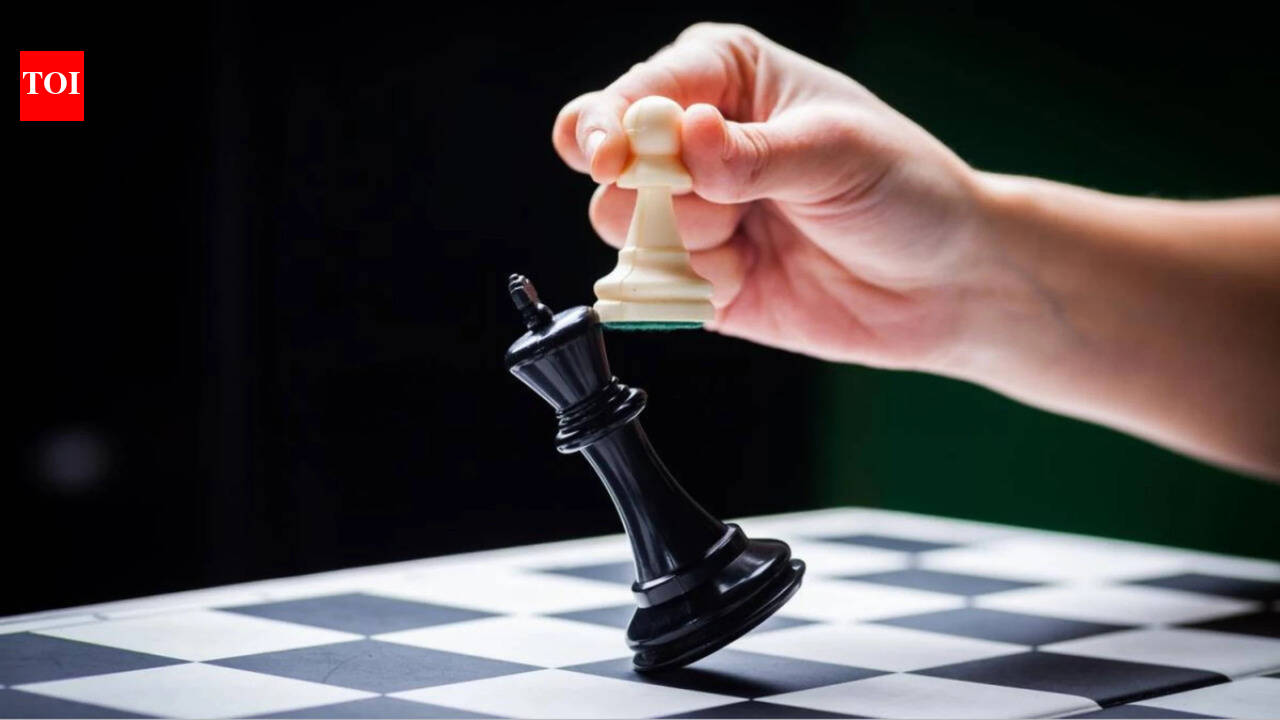
A Pawn can also defeat a King in a game of Chess "Quando finisce la partita il re ed il pedone finiscono nella stessa scatola."
A Pawn can also defeat a King in a game of Chess "Quando finisce la partita il re ed il pedone finiscono nella stessa scatola." When you finish the game, the king and pawn end up in the same box." What does the proverb mean? All human beings ultimately share the same fate. Why chess? metaphor for life. The king and the pawn. The philosophical lesson success should be approached with perspective. Why has the saying survived for so long? Every generation faces the same temptation to equate status with worth. Contemporary relevance The billionaire, the office worker, the politician and the student all share a common humanity. Examples in everyday life A lesson for everyone he king and the pawn return to the same box. Translated into English, the proverb reads: "At first glance, it sounds like a simple observation about chess. After all, when a game ends, every piece is returned to the same container. The king, the queen, the bishops, the knights and the pawns are all packed away together.Yet for centuries, people have found a deeper meaning in this image. The proverb has endured because it captures one of the most fundamental truths about human life: status, wealth and power may separate people during their lives, but they do not separate them forever.In chess, the king is the most important piece on the board.
The pawn is the least powerful. One commands attention. The other is more or less sacrificed.The proverb uses this contrast to represent society itself. Kings, rulers, executives and celebrities occupy positions of influence. Ordinary workers, labourers and citizens often have far less power.But once the game is over, the distinction, the difference, the contrast disappears.The message is simple:No amount of money, rank or influence can exempt anyone from mortality. In the end, the king and the pawn return to the same box.Chess has long been used as aThe game contains hierarchy, strategy, conflict, sacrifice and ambition. Different pieces have different abilities and different levels of importance. Because of this, chess provides a natural way to reflect on social structures and human behaviour.The proverb focuses on two opposite figures:The king symbolises authority, privilege and power. The pawn symbolises ordinary people. By placing them in the same box at the end, the proverb reminds listeners that social distinctions are temporary rather than permanent.At its heart, the proverb is about humility.Many philosophical traditions, from ancient Greece to Eastern thought, have stressed the importance of recognising the limits of power. Human achievements may be impressive, but they do not make anyone immune to ageing, illness or death.This does not mean success is meaningless.
 The BriefWire