Japanese proverb of the day: "To ask is a moment's shame; not to ask is…" - why swallowing your pride for one awkward question pays off for years
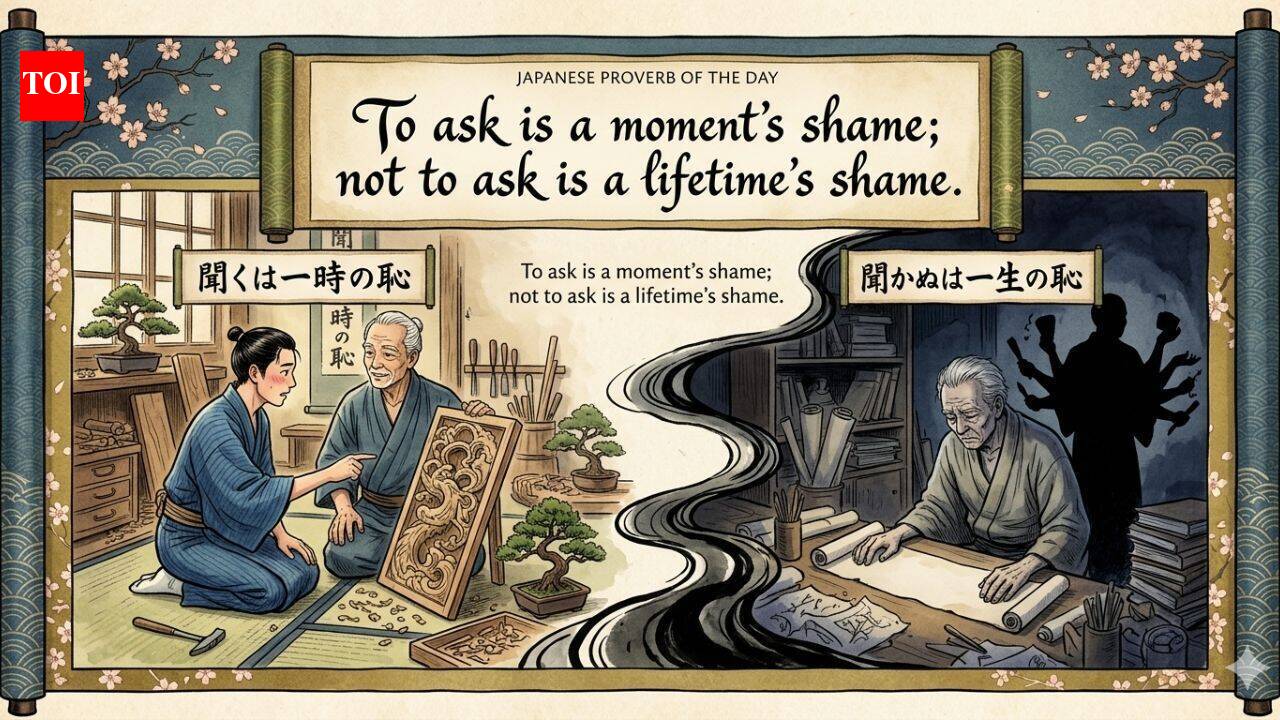
Japanese proverb of the day (Image generated via Google Gemini) Japanese proverb of the day "To ask is a moment's shame; not to ask is
Japanese proverb of the day (Image generated via Google Gemini) Japanese proverb of the day "To ask is a moment's shame; not to ask is a lifetime's shame." What the proverb actually means Why a polite culture needed this proverb The hidden cost of not asking How to ask without feeling small Ask early, before the gap turns into a hole. The easiest time to admit you do not understand is right at the start, before decisions and mistakes pile up on top of the confusion. Have a real go first, then ask. The proverb is not telling you to skip thinking. A genuine attempt before the question helps you learn more and makes your question sharper and easier to answer. Reframe the discomfort in your head. That flash of "I'll look stupid" lasts a moment, exactly as the proverb promises. The trust you earn for being honest enough to ask tends to last far longer. Make it safe for others to ask too. If you lead a team or raise children, welcome questions instead of mocking them. People who fear looking foolish hide their gaps, and hidden gaps are where the real trouble quietly grows. Why a moment of embarrassment is worth a lifetime of understanding We have all done it. Someone explains something, you do not quite follow, and you nod anyway. The moment to ask comes and goes, because asking would mean admitting you did not understand, and that feels embarrassing.
So you stay quiet. The trouble is that the gap in your knowledge does not go away. It just waits there, quietly, ready to trip you up later. This old Japanese proverb saw that trap centuries ago and gave it a perfect summary. A question costs you one awkward moment. Silence can cost you for the rest of your life.The lesson is about beating one very specific fear, the fear of looking foolish.When you ask a question, you reveal that you do not already know the answer. For a lot of people, that feels exposing, like holding up a sign that says you are not as clever as you would like to appear. The proverb's whole point is that this feeling is real but tiny. The embarrassment of asking fades fast, usually the second you get the answer and finally understand.Choosing not to ask feels safer in the moment, but it quietly traps you. You stay ignorant about the thing. You dodge conversations where it might come up.You nod along, hoping nobody notices the hole in your knowledge. That low hum of pretending can last for years. The proverb is urging you to take the small, sharp pain now and skip the long, dull ache later.It is worth asking why this particular saying took such deep root in Japan, and the answer is rather interesting.Japanese culture places a high value on harmony, modesty and not losing face in front of others.
 The BriefWire