File Transit Request 48 Hours Early, Stay Reachable: What Ships Need To Do For Crossing Hormuz
File Transit Request 48 Hours Early, Stay Reachable: What Ships Need To Do To Cross Hormuz Published By, Last Updated: June 20, 2026, 00:00 IST
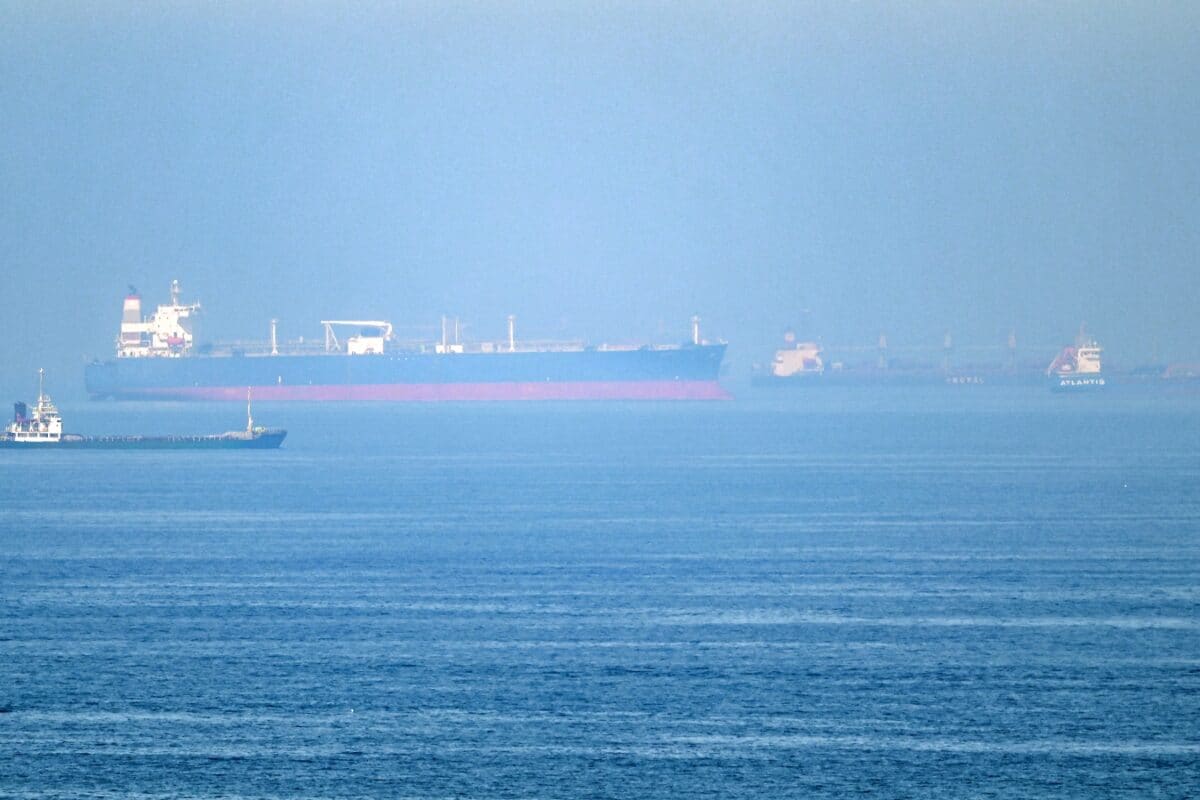
File Transit Request 48 Hours Early, Stay Reachable: What Ships Need To Do To Cross Hormuz Published By, Last Updated: June 20, 2026, 00:00 IST Under the new system, vessels seeking to pass through the Strait of Hormuz must submit a transit request at least 48 hours before arrival. Cargo ships are pictured off cost of the Khor Fakkan Container Terminal, in Sharjah Emirate, along the Gulf of Oman on June 19. (AFP photo) As shipping traffic through the Strait of Hormuz surged to its highest level in two months following the signing of a memorandum of understanding (MoU) between the US and Iran aimed at ending the war in West Asia, new rules have been issued on what vessels must do to secure passage through the strategic chokepoint. Under the new system, vessels seeking to pass through the Strait of Hormuz must submit a transit request at least 48 hours before arrival.
The Persian Gulf Strait Authority (PGSA), the body set up by Iran to regulate maritime traffic through the waterway, said applications must include full voyage details, communication channels, and routing information. What are the new rules? “With reference to the signing of the Islamabad MOU and the issuance of directives by the authorities, all applicants intending to passage through the Strait of Hormuz are hereby informed that during the period specified in the MOU, vessels that submit their passing requests to the PGSA in compliance with the following points will be cleared for passage promptly," the PGSA said in a statement posted on X. Authorities have also required ships to remain reachable throughout the approval process to ensure coordination with maritime control officials. The PGSA said the measures are necessary due to security risks and reported mine-affected zones along parts of the passage. The authority has introduced an online clearance system through its official website, where shipping operators can submit applications and receive approval.
An official contact email has also been provided for follow-up communication. Fees waived, but strict compliance required During the 60-day period covered under the US–Iran memorandum, vessels approved for passage will not be charged for security, environmental, safety, or insurance-related services. These costs will instead be covered by the Iranian government as part of the temporary arrangement. However, authorities have stressed that strict compliance with all requirements is mandatory. Ships that fail to submit complete applications within the required timeframe or do not follow approved routes may face delays or be held responsible for violations. This comes as traffic through the waterway sees significant gain. A total of 25 commercial vessels crossed the Strait of Hormuz on Thursday, the highest daily figure since mid-April, according to maritime tracking data from AXSMarine. The figure is more than three times the average of just over seven ships a day recorded since early March, when traffic had sharply slowed amid regional hostilities.
 The BriefWire