Linked to DNA damage, banned in 31 countries: Why Dimethoate still sold in India?
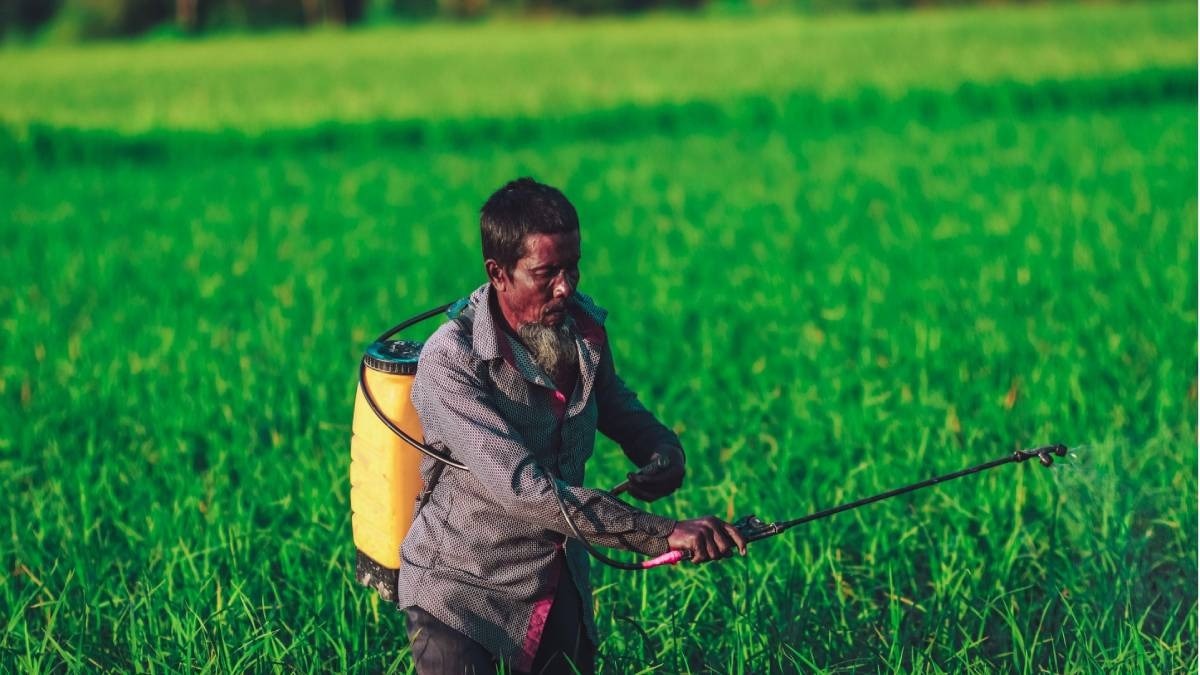
A pesticide that has been banned across much of the developed world continues to be widely available in India's agricultural markets. Dimethoate, a decades-old organophosphate
A pesticide that has been banned across much of the developed world continues to be widely available in India's agricultural markets. Dimethoate, a decades-old organophosphate insecticide, remains popular among farmers because it is significantly cheaper than newer alternatives and offers broad-spectrum pest control. However, scientists and regulators in several countries have raised serious concerns about its impact on human health, environmental safety, and genetic integrity. Read Full Story FROM BATTLEFIELD CHEMISTRY TO AGRICULTURAL FIELDS Dimethoate belongs to the organophosphate family of chemicals, a class linked to the same scientific principles that led to the development of deadly nerve agents such as Sarin and Tabun during World War II. German scientists originally developed organophosphate compounds for military applications that targeted the nervous system. After the war, similar chemical mechanisms were adapted for agricultural use. Instead of attacking humans, they were used to disrupt the nervous systems of insects, causing paralysis and death. Dimethoate was first developed in the United States in 1951 by scientists working for American Cyanamid and was commercially introduced in 1956. It soon became one of the world's most widely used insecticides. WHY SCIENTISTS CONSIDER IT DANGEROUS Scientific studies have identified Dimethoate as a potentially genotoxic and mutagenic chemical, meaning it may damage DNA and genetic material within cells. Long-term exposure has been linked to increased concerns about cancer risk and other health problems. One of the biggest concerns is that after application, Dimethoate can degrade into Omethoate, a metabolite considered significantly more toxic than the original chemical. Some studies suggest Omethoate may be up to ten times more toxic than Dimethoate itself.
Dimethoate is also a systemic pesticide. Rather than remaining on the surface of plants, it is absorbed and transported throughout plant tissues, including fruits and vegetables. As a result, residues can remain inside produce and cannot be completely removed through washing. Environmental experts have also highlighted its harmful impact on pollinators, particularly bees, which play a critical role in food production and ecosystem health. WHY MANY COUNTRIES HAVE BANNED IT Dimethoate has been banned across the European Union, including countries such as France, Germany, Italy and Spain. China has also prohibited its use, while the United States and Australia have imposed significant restrictions. France was among the earliest countries to act against Dimethoate after pesticide residues were detected in cherries and other fruits. The issue eventually escalated into a wider European dispute over agricultural imports. France refused to import produce from countries still using the chemical, creating trade tensions within Europe. By 2019-2020, the European Union moved toward a complete ban, citing concerns over consumer safety, environmental protection and pesticide residues in food. Today, at least 31 countries have prohibited the chemical entirely. INDIA'S COMPLICATED REGULATORY APPROACH India's regulatory response has been far more gradual. The Anupam Verma Committee, constituted between 2013 and 2015 to review pesticide safety, examined 66 pesticides and recommended immediate bans on several hazardous chemicals while suggesting further review of others. In May 2020, the Ministry of Agriculture proposed banning 27 pesticides, including Dimethoate, through a draft notification. However, the proposal faced opposition from agrochemical manufacturers and became entangled in prolonged consultations and regulatory processes.
 The BriefWire