EU ban on BPA chemical in food packaging takes effect
From July 2026 onwards, BPA will no longer be permitted in EU food packaging. The industrial chemical is known to interfere with the human hormonal
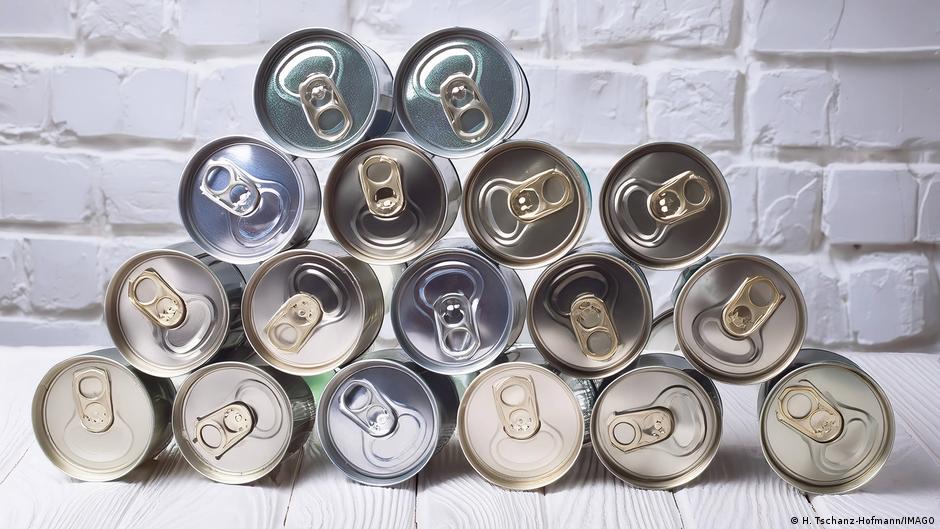
From July 2026 onwards, BPA will no longer be permitted in EU food packaging. The industrial chemical is known to interfere with the human hormonal system. Bisphenol A (BPA) is an industrial chemical that has been banned from baby bottles and thermal paper receipts in the EU. Now, it will also be banished from food packaging. From July 2026 onwards, food wrappers and containers made with BPA or other bisphenols will no longer be allowed to be sold in the EU. Bisphenol A is a chemical used to manufacture polycarbonate, a hard, transparent plastic, as well as epoxy resins. Such resins can be found in the interior coating of food or beverage cans, for example. They are designed to prevent the metal from rusting and leaching into the food. BPA can also be found in plastic films, printing inks and adhesives. An average 410,000 metric tons of BPA-containing products are sold in Germany annually, reports BUND, one of Germany's largest environmental non-governmental organizations. The new EU ban on BPA applies not only to single-use food packaging, but also to items such as plastic water bottles, lunch boxes and kitchenware. How BPA harms our health When chemicals like BPA are used in food containers, small amounts of the substance can leach into our food and beverages. Bisphenol A, in particular, is thought to pose a health risk to people of all age groups, according to the European Food Safety Authority (EFSA).
BPA may, among other things, alter certain immune system mechanisms which could trigger asthma as well as autoimmune diseases, reports EFSA. There is also evidence that suggests BPA may increase the risk of cardiovascular disease, diabetes and obesity. Above all, however, BPA can interfere with our hormone systems. It may thereby impair male and female fertility or alter the onset or development of puberty. It has also been linked to certain cancer types. The hormonal effects of BPA have been known for many decades. As such, it comes as no surprise that bisphenol A can mimic estrogen, a key female sex hormone. BPA was tested as a synthetic estrogen substitute as early as the 1930s. Researchers ultimately turned to estrogen derivative DES (diethylstilbestrol) instead, which bears a similar molecular structure to BPA. DES was used until the 1970s to treat pregnancy complications. It turned out, however, that DES increased mothers' risk of breast cancer and childbirth-related complications, as well as the danger of vaginal and cervical cancer in their daughters. The prescription of DES was banned in 1971. BPA found in most human bodies, EU and US studies show European Environment Agency (EEA) studies detected BPA in the urine of 92% of adult participants in 11 different European countries. A US national health agency study conducted in 2003–2004 similarly found BPA traces in 93% of over 2,500 individuals examined. The US has no nationwide ban on the use of BPA in food packaging.
 The BriefWire