Quote of the day by Greek philosopher Pythagoras: "In anger we should refrain both from…" - a 2,500-year-old rule for not wrecking things in the heat of the moment
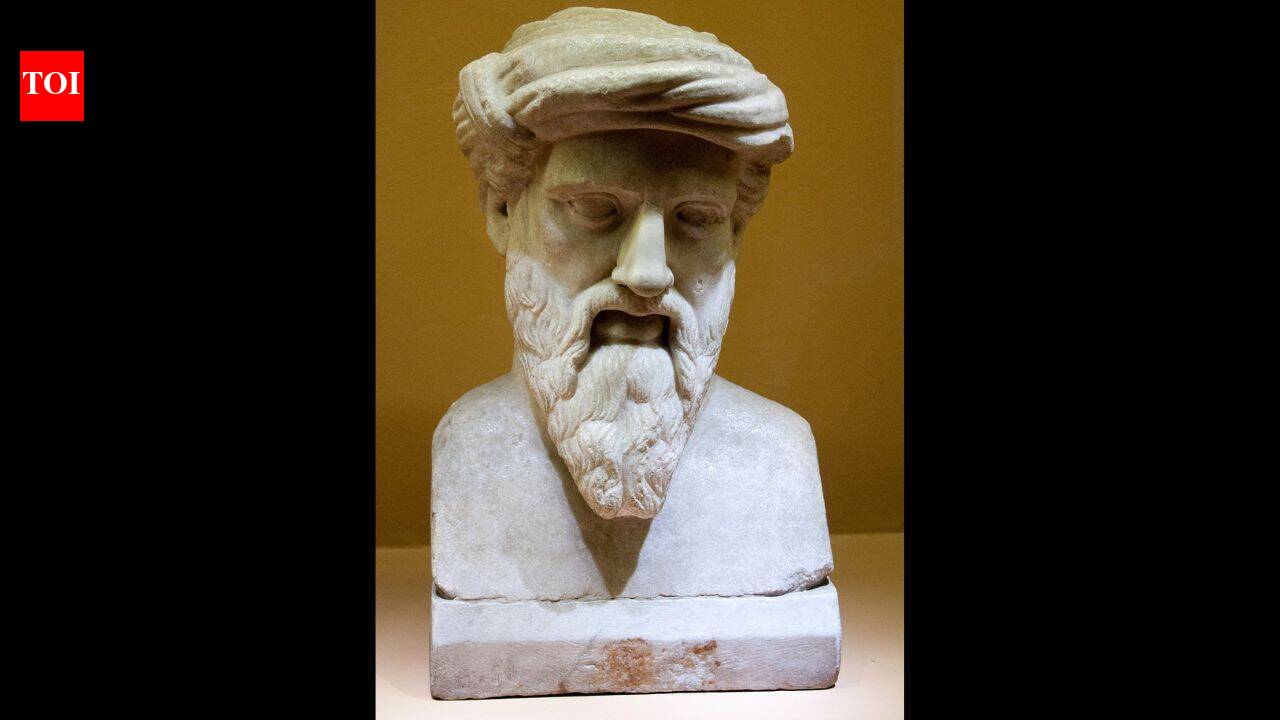
Pythagoras (Image: Wikipedia) Quote of the day by Pythagoras "In anger we should refrain both from speech and action" Pythagoras: The man behind the maxim
Pythagoras (Image: Wikipedia) Quote of the day by Pythagoras "In anger we should refrain both from speech and action" Pythagoras: The man behind the maxim Understand the meaning behind the quote by Pythagoras What anger does to your brain Anger is not the enemy How to hold your tongue when it counts Build in a deliberate pause. Before you reply to the message or snap back, give it a set delay. An hour, a walk around the block, a night's sleep. Time is the cheapest and most reliable cure there is. Let the anger out somewhere safe first. Vent to a friend who is not involved, write the furious message and then delete it, go and move your body. Releasing the feeling is healthy. Aiming it at a person in the heat of the moment is what does the damage. Name it before you act on it. Simply telling yourself "I am angry right now" opens a small gap between the feeling and the reaction, and that gap is where your better decisions live. Wait, then respond on purpose. The point is not to swallow the issue forever. It is to handle it once you can think straight, using words you actually chose rather than ones your temper chose for you. Why Pythagoras believed anger should never make your decisions Almost everyone has done it. Fired off a message you wish you could unsend. Said the cruel thing in the middle of a row, the one that cannot be taken back. Slammed a door, quit on the spot, hit send before the brain caught up with the temper. The damage gets done in seconds, and the regret can last for years. More than two thousand years ago, a Greek thinker boiled the whole problem down to a single piece of advice.
When you are angry, do not speak and do not act. Just wait. It sounds almost too simple to matter. It might be one of the most useful sentences ever written.Pythagoras lived around 2,500 years ago in ancient Greece, and most people know his name from a maths lesson, thanks to the famous theorem about triangles. There was a lot more to him than that. He was a philosopher and a kind of spiritual teacher who set up a tight knit community of followers in southern Italy, built around self discipline, harmony and the careful examination of one's own behaviour.His group took silence seriously. New members were said to spend long stretches simply listening and holding their tongues before they earned the right to speak freely. Controlling the mouth was treated as a skill worth years of practice, not a small thing.Seen against that background, this quote is not a throwaway line. It is a core piece of how Pythagoras thought a wise person should live.One honest note. Pythagoras himself left no writings behind. We know his sayings because his followers passed them down, and a biographer named Diogenes Laërtius wrote them up centuries later. So the words come to us secondhand, but they have been firmly tied to his name and his school for a very long time.The idea is short and sharp. Anger is a terrible time to make decisions, so when it grips you, hit pause on both your words and your actions.Pythagoras understood something we all relearn the hard way. Anger does not make us think more clearly. It makes us think worse. In the heat of it, the cutting insult feels justified, the dramatic exit feels right, the furious reply feels like the truth finally being told.
 The BriefWire