Why Are 12 Lakh Chemists On Strike Tomorrow Against Online Medicine Sales? E-Pharmacy Row Explained
Why Are 12 Lakh Chemists On Strike Tomorrow Against Online Medicine Sales? E-Pharmacy Row Explained Written By, Last Updated: May 19, 2026, 15:21 IST Traditional
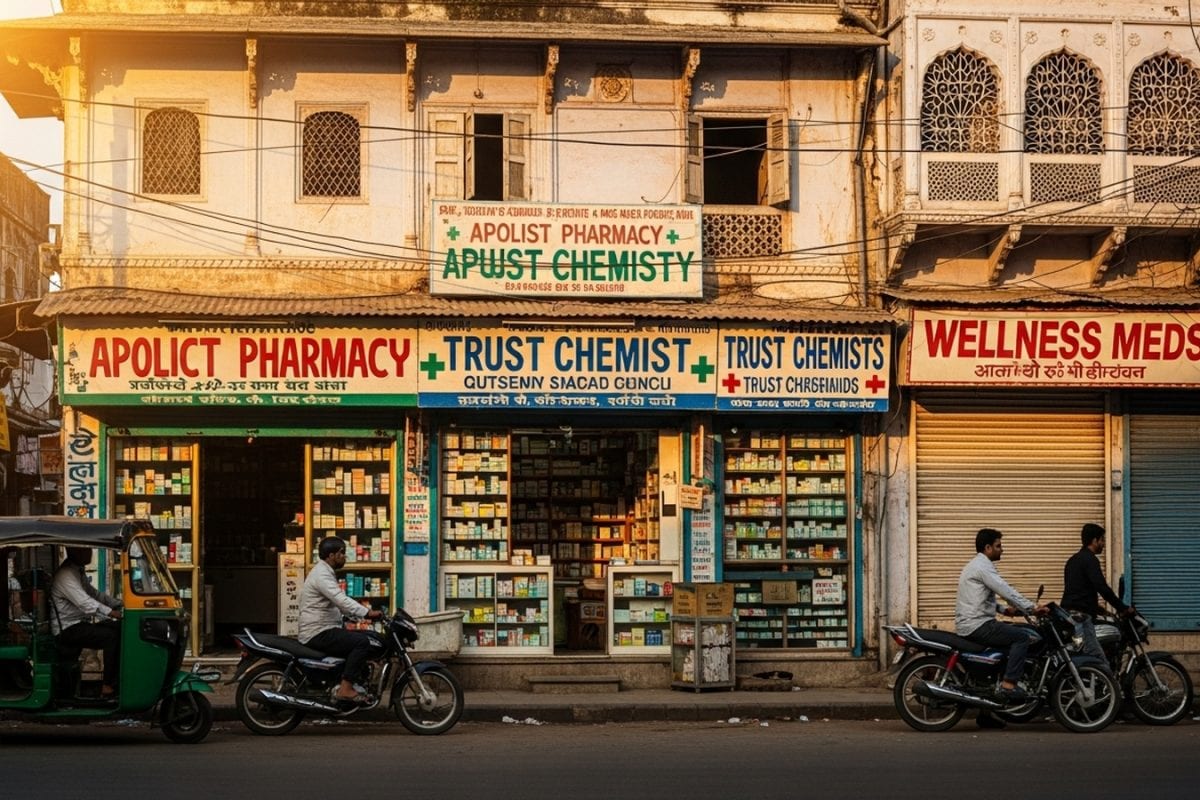
Why Are 12 Lakh Chemists On Strike Tomorrow Against Online Medicine Sales? E-Pharmacy Row Explained Written By, Last Updated: May 19, 2026, 15:21 IST Traditional chemists argue that e-pharmacies are operating in a legal grey area and aggressive discounting by large online platforms is hurting small retail pharmacies Rapid Read Retail pharmacy owners say brick-and-mortar stores are subject to stricter inspections and accountability standards than online operators. (AI-Generated Image) More than 12 lakh chemists and druggists across India have called for a nationwide strike on Wednesday, May 20, raising concerns over possible disruption in medicine supplies in several states. The protest, led by the All India Organisation of Chemists and Druggists (AIOCD), is primarily directed against what retail pharmacy owners describe as the “unregulated expansion" of e-pharmacies and instant medicine delivery platforms. Here’s a breakdown of what the dispute is about, what chemists are demanding, and whether medicine access could be affected. Who Is Calling The Strike? The strike has been announced by the All India Organisation of Chemists and Druggists, which says it represents around 12.4 lakh chemists, pharmacists and distributors across the country. The organisation says the protest is aimed at drawing attention to what it calls regulatory loopholes that have allowed online medicine platforms to operate without adequate oversight.
What Are Chemists Protesting Against? At the centre of the dispute are online pharmacies and quick-delivery medicine apps. Traditional chemists argue that e-pharmacies are operating in a legal grey area, prescription verification is weak, fake or invalid prescriptions can be misused, and aggressive discounting by large online platforms is hurting small retail pharmacies. The AIOCD has also alleged that some online platforms sell medicines against prescriptions generated through questionable or unverified methods, including AI-generated prescriptions in some cases. Retail pharmacy owners say brick-and-mortar stores are subject to stricter inspections and accountability standards than online operators. What Are GSR 220(E) And GSR 817(E)? A major part of the protest revolves around two government notifications: GSR 220(E) and GSR 817(E) GSR 817(E): This was issued as a draft framework several years ago to regulate e-pharmacies in India. It proposed registration requirements, prescription verification rules, compliance systems, and penalties for violations. However, chemists argue that the draft was never fully implemented or formally withdrawn, creating prolonged uncertainty. According to the AIOCD, this has allowed online pharmacies to continue functioning without a fully operational regulatory structure. GSR 220(E): This notification was introduced during the Covid-19 pandemic to allow home delivery of medicines by registered pharmacies.
Chemists say the temporary pandemic-era relaxation is now being used by e-pharmacies as a loophole to continue large-scale online medicine sales without a dedicated law governing the sector. The AIOCD has demanded that both notifications be withdrawn and replaced with a clearer regulatory framework. Why Are Offline Chemists Worried? The dispute is not just about regulation but also about economics. Retail chemists say online platforms backed by large corporations are offering deep discounts that smaller pharmacies cannot match. According to the AIOCD, some platforms offer discounts exceeding 50 per cent, quick-commerce medicine delivery is rapidly expanding, and small chemist shops fear losing long-term viability. Many pharmacists argue that neighbourhood medicine shops also provide services that online platforms cannot easily replicate, including emergency access, guidance on dosage, medicine substitution, and credit support for regular patients. What Is the Government Saying? The Centre has attempted to reassure citizens that medicine availability will not be severely affected. Government sources have said several state-level pharmacy associations have chosen not to participate in the strike after discussions with regulators. According to reports, pharmacy groups in at least 12 states opted out, and authorities have held meetings with chemist associations to minimise disruption.
The government has also indicated that the regulatory framework governing online pharmacies is under review. Will Medical Shops Remain Closed? The extent of disruption may vary from state to state. While the AIOCD has called for a nationwide shutdown, reports suggest some pharmacy chains, hospital-linked pharmacies, and several state associations may continue operations. Authorities in some regions have also issued helpline numbers and advised citizens not to panic. However, patients dependent on daily medicines, especially for diabetes, blood pressure, cancer or chronic illnesses, have been advised in some reports to stock up in advance as a precaution. News18 Newsletter Handpicked stories, in your inbox A newsletter with the best of our journalism submit First Published: May 19, 2026, 15:21 IST News explainers Why Are 12 Lakh Chemists On Strike Tomorrow Against Online Medicine Sales? E-Pharmacy Row Explained Disclaimer: Comments reflect users’ views, not News18’s. Please keep discussions respectful and constructive. Abusive, defamatory, or illegal comments will be removed. News18 may disable any comment at its discretion. By posting, you agree to our Terms of Use and Privacy Policy Loading comments...
 The BriefWire