Delhi Unveils Winter Pollution Action Plan: Fuel Curbs, Double Parking Fee, Dust Control
Delhi Unveils Winter Pollution Action Plan: Fuel Curbs, Double Parking Fee, Dust Control Published By, Last Updated: June 19, 2026, 17:39 IST The "Proactive Winter
Delhi Unveils Winter Pollution Action Plan: Fuel Curbs, Double Parking Fee, Dust Control Published By, Last Updated: June 19, 2026, 17:39 IST The "Proactive Winter Air Quality Management Framework" will come into force every year from November 1 to February 28, alongside the implementation of the GRAP. Rapid Read Strict dust-control norms will be mandatory for all construction and demolition activities between November 1 and January 31. Even as Delhiites continue to wait for the monsoon, the Rekha Gupta-led government has unveiled an ambitious winter action plan aimed at tackling one of the capital’s perennial problems — air pollution. The government said the decision to announce the plan in June, months ahead of winter, was intended to give citizens, industries, institutions, commercial establishments and construction agencies sufficient time to prepare. What Is Delhi’s Winter Action Plan? The “Proactive Winter Air Quality Management Framework" will come into force every year from November 1 to February 28, alongside the implementation of the Graded Response Action Plan (GRAP).
Under the framework, only vehicles possessing a valid Pollution Under Control Certificate (PUCC) will be allowed to purchase fuel at petrol pumps. From November 1 to January 31, non-BS VI commercial vehicles registered outside Delhi will be barred from entering the national capital. However, CNG vehicles, electric vehicles, emergency service vehicles and those engaged in government work will be exempt. To discourage excessive vehicular movement during the pollution season, parking charges at authorised parking facilities will remain doubled from November 1 to February 28. WFH, Staggered Timings If Needed The framework provides for contingency measures, including staggered office timings and allowing both government and private offices to operate with up to 50 per cent physical attendance, with the remaining employees working from home. Construction Curbs & Anti-Smog Measures Strict dust-control norms will be mandatory for all construction and demolition activities between November 1 and January 31.
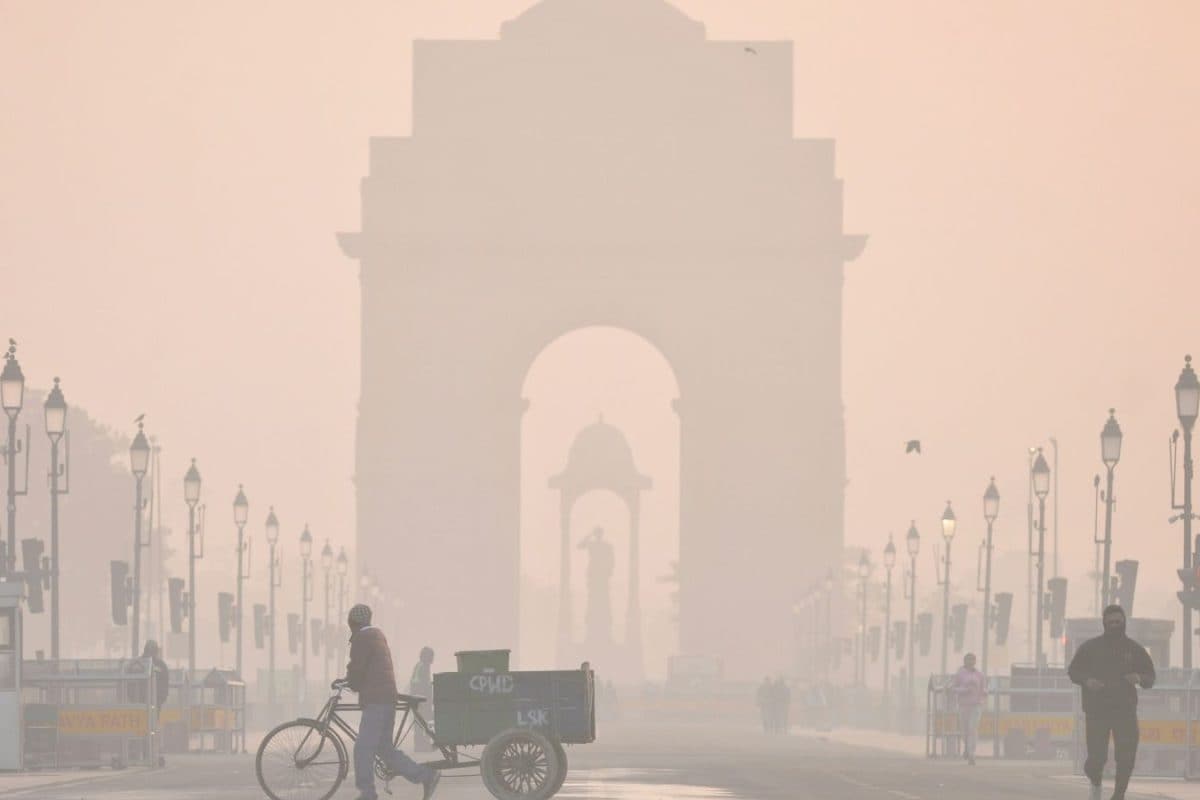
Additional restrictions on construction work may be imposed between December 10 and January 20 if pollution levels worsen. Large construction sites and major buildings will also be required to install anti-smog guns and mist suppression systems. Drones To Monitor Open Burning The framework calls for strict action against open burning of waste and other materials, with authorities set to deploy drones and field monitoring systems to ensure compliance. Delhi’s Pollution Problem Delhi has been grappling with hazardous air pollution during winters for more than a decade. A combination of factors, including vehicular emissions, road and construction dust, industrial pollution and unfavourable weather conditions, keeps the city’s air quality poor for much of the year, improving only during periods of rainfall. The situation worsens from late September when stubble burning begins in neighbouring states. Smoke from farm fires, combined with falling temperatures and calm winds, gets trapped over the capital, creating “gas chamber"-like conditions almost every year.
 The BriefWire