Maritime Gridlock: 18,000 Indian Sailors Caught In West Asia Logjam Around US-Iran Peace Deal | Exclusive Details
Maritime Gridlock: 18,000 Indian Sailors Caught In West Asia Logjam Around US-Iran Peace Deal | Exclusive Details Reported By, Last Updated: June 19, 2026, 17:39
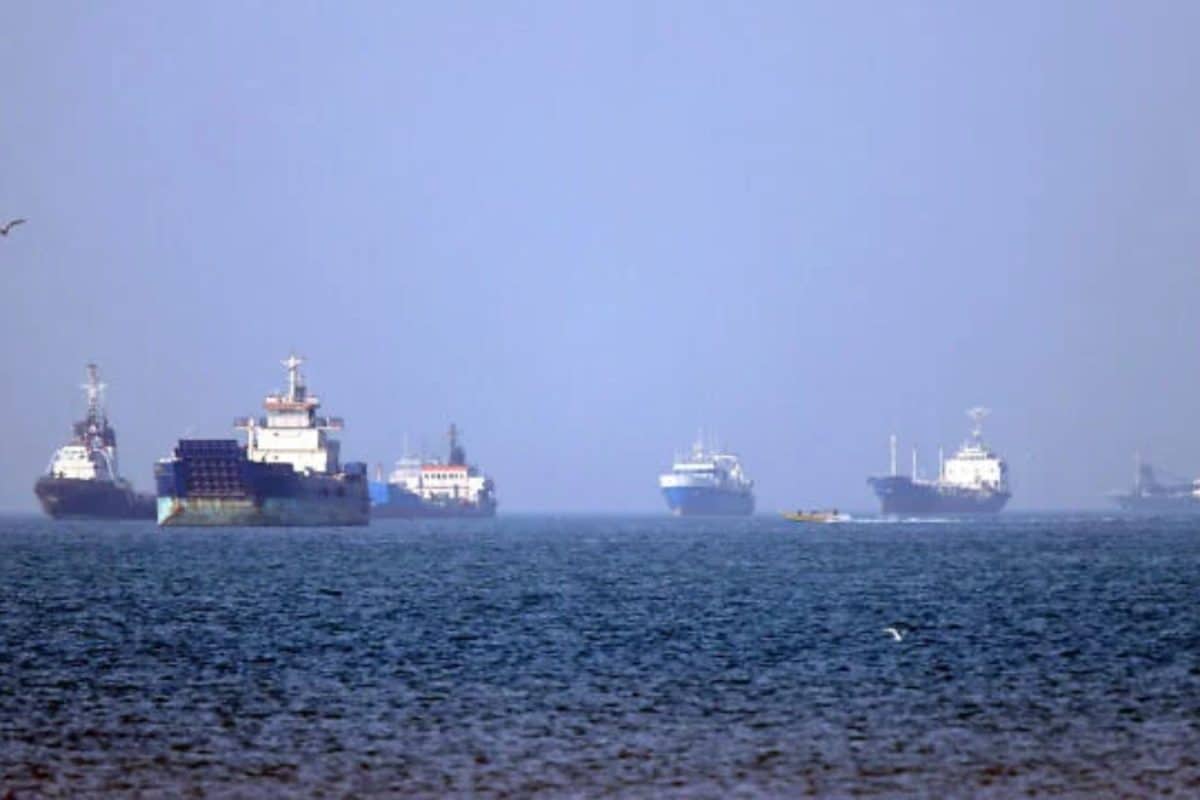
Maritime Gridlock: 18,000 Indian Sailors Caught In West Asia Logjam Around US-Iran Peace Deal | Exclusive Details Reported By, Last Updated: June 19, 2026, 17:39 IST The broader crisis has heavily impacted foreign-flagged vessels manned by Indian crews or transporting critical Indian state cargo The maritime logjam has also frozen vital agricultural supplies. Representational image A massive maritime bottleneck has left approximately 18,000 Indian sailors stranded across the Persian Gulf, Gulf of Oman, and Red Sea, according to top government sources. The gridlock bookends the highly anticipated US-Iran peace treaty, with hundreds of seafarers directly trapped on commercial vessels positioned just west of the strategically vital Strait of Hormuz. Despite the widespread congestion, India secured a major energy breakthrough on June 18. The Malta-flagged LNG carrier Disha, managed by the Shipping Corporation of India, successfully navigated the chokepoint to berth at the Dahej LNG Terminal in Gujarat. The vessel delivered 62,370 metric tonnes of Qatari liquefied natural gas, offering significant relief to the domestic energy sector.
The Disha is part of a wave of 15 India-bound vessels—including 10 strictly Indian-flagged ships—that have safely completed their transits since diplomatic progress toward a peace deal began gathering momentum. Stranded Fleet Awaits Formal Treaty Signing A critical bottleneck remains, however, with 13 Indian-flagged commercial vessels still stranded in the Persian Gulf just west of the strait. More than 325 Indian seafarers are on board these stationary ships, where operators are deliberately holding positions. This fleet is currently receiving continuous surveillance and administrative assistance from the Ministry of Ports, Shipping and Waterways. Further south, an additional 200 Indian crew members remain stationary in the Gulf of Oman, anchoring in designated safe zones while waiting for regional demining operations to commence. Prominent Indian vessels, including the Jag Arnav—which was carrying cargo near recent drone strikes—and the Sanmar Herald, have successfully moved away from active shipping corridors to maintain static, protected positions until the southern maritime highway is officially cleared. Foreign-Flagged Fleet and Indian Cargo Casualties The broader crisis has heavily impacted foreign-flagged vessels manned by Indian crews or transporting critical Indian state cargo, with roughly 600 ships currently waiting in line to transit the reopening waterway.
 The BriefWire