The great reverse migration: Why India's professionals are leaving Metro cities
More and more professionals are discovering the charm of working in smaller cities over metros and corporate hubs Quality of life over the hustle I
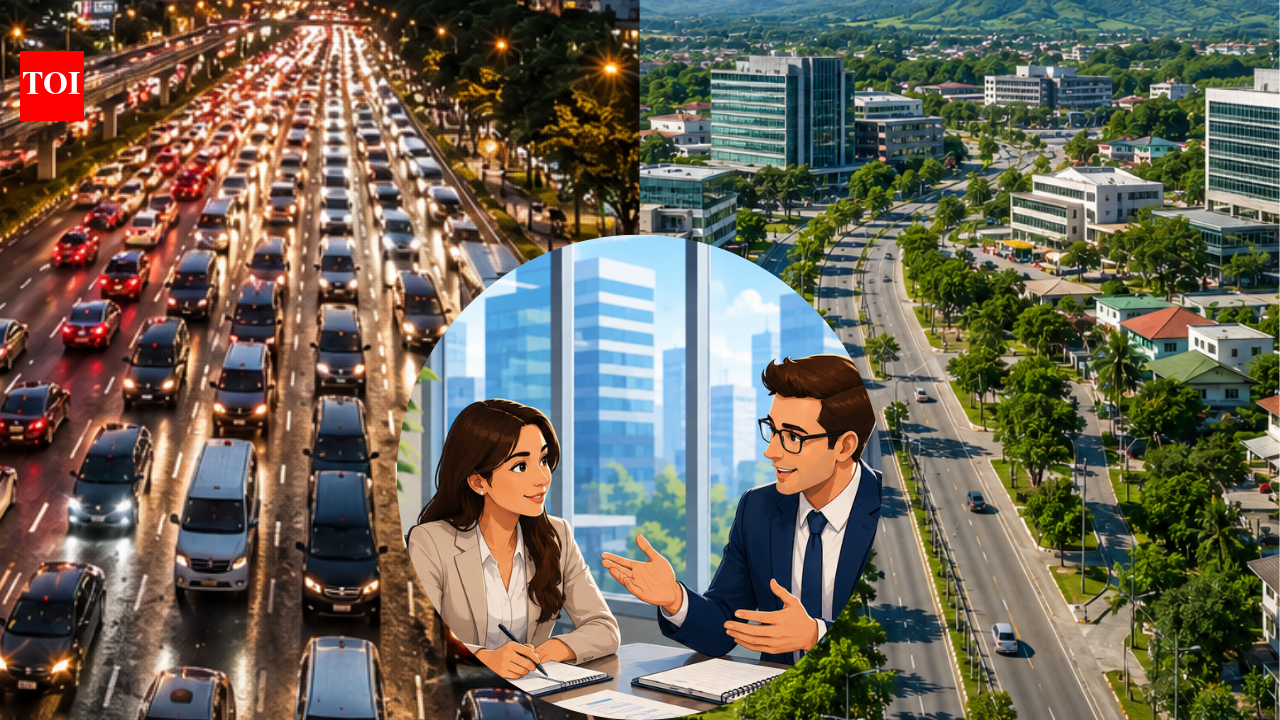
More and more professionals are discovering the charm of working in smaller cities over metros and corporate hubs Quality of life over the hustle I was conditioned to believe that opportunity was tied to a pin code. Gayatri Sethi Jain, founder of CtrlA India, Vadodara You might not have that very urban-high bang night life, but the peace of clear star night gaze hits different. Yash Sonkar, a commucation specialist, Tanda (UP) Against the stereotypes Why professionals are moving The widespread adoption of remote and hybrid work models, coupled with the rise of entrepreneurship, has created new opportunities beyond traditional employment hubs. Amrita Gupta, Director of Manglam Group, Jaipur A broader shift in India’s employment landscape is manifesting as professional migration from metropolitan areas to smaller cities. Aruna Yadav, founder of SD Campus in Noida In our line of work, a large share of companies operate their units and factories in Tier-II and Tier-III cities. They rely on professionals based locally to deliver services they simply can't afford to outsource to metro cities because of the higher costs. CA Ankit Jain, managing partner at Jain Ankit and Co, based in Dehradun Success should not be dependent on a change of pin code. Raman Aggarwal, founder and CEO of Jupitice Justice Technologies in Chandigarh The trade-offs still exist Metro vs small cities The air is cleaner, there's less chaos, and overall it feels like a healthier environment to live in. Over time, I've come to appreciate that more than the conveniences I miss. Chirag Singh, working communication professional in Simhadri (near Visakhapatnam) Adaptation Anyone can shift to a small city as the cost of living comes down. Your health takes priority, food is still better. But of course we don’t get restaurants like in Hyderabad or Bengaluru. Madhulika Dash, freelance writer (food), Bhubaneswar A shift that may only grow The glamour is still there for many A quiet but significant shift is unfolding across the Indian landscape. Professionals are increasingly moving away from metro cities and settling in tier-2 or tier-3 cities.For decades, cities like Delhi, Mumbai, Bengaluru and Hyderabad were India's biggest job magnets. They offered higher salaries, larger professional networks and the promise of faster career growth. But the same cities that once represented aspiration are now prompting many professionals to reconsider what they want from work and life.Some reasons are not very difficult to understand. Housing costs have soared, daily commutes have stretched longer, and concerns around pollution, stress and burnout have become increasingly common. At the same time, remote work, better digital connectivity and growing opportunities outside major urban centres have made it possible for many professionals to live elsewhere without necessarily compromising their careers.The trend is unfolding alongside the rise of India's smaller cities. Hiring activity in tier-2 locations has grown steadily over the past few years, while businesses, startups and Global Capability Centres have expanded beyond traditional metropolitan hubs.The result is a growing willingness among professionals to explore alternatives to metro life.So, let’s understand the reasons in detail with insights from people who moved and a few firms based in the smaller cities.For many professionals, the decision to leave a metro city begins with a simple question: Is the lifestyle worth the cost?The answer, nowadays, for some, appears to be no.Rising rents, expensive housing, packed roads and long commutes have made daily life in major cities more demanding than ever.Although metros continue to offer unmatched opportunities, many professionals say the personal sacrifices required to access those opportunities are becoming harder to justify.Some describe a growing sense of exhaustion with the pace of urban life.
 The BriefWire