Pakistan-Linked Spy Network Used Juveniles For Espionage In UP, Reveals NIA Report
Pakistan-Linked Spy Network Used Juveniles For Espionage In UP, Reveals NIA Report Reported By, Edited By Last Updated: May 19, 2026, 15:38 IST The juveniles
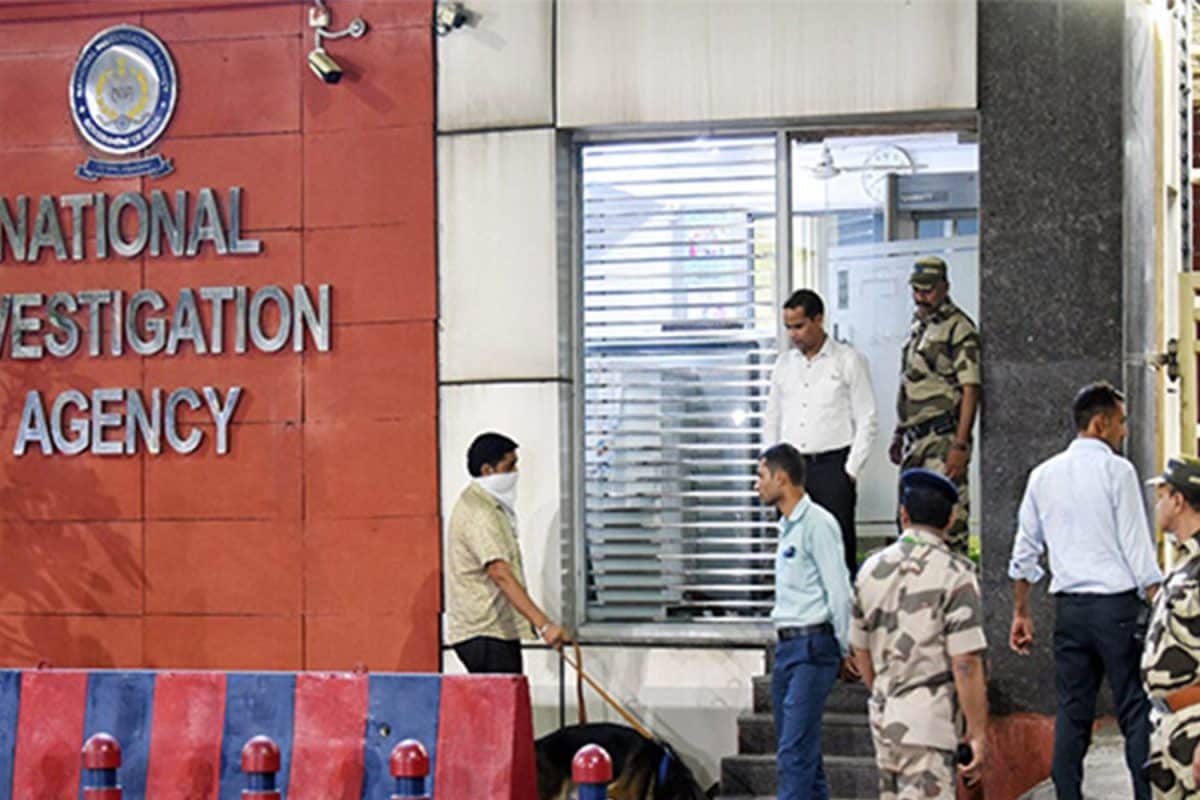
Pakistan-Linked Spy Network Used Juveniles For Espionage In UP, Reveals NIA Report Reported By, Edited By Last Updated: May 19, 2026, 15:38 IST The juveniles reportedly collaborated with co-accused operatives to photograph and video-record sensitive sites, sharing geo-tagged images with handlers across the border Rapid Read The NIA report also states that the accused facilitated covert communication channels by procuring Indian SIM cards for terror-linked operatives. (PTI) The Investigation Agency (NIA) has uncovered a disturbing Pakistan-linked espionage network that allegedly used juveniles to gather sensitive intelligence from strategic locations in Uttar Pradesh, according to an exclusive investigation report accessed by CNN-News18 and submitted before the Juvenile Justice Board in Ghaziabad. The report reveals that five juveniles were part of a larger sleeper cell module allegedly operated by suspected Pakistan-based handlers and terrorists. The minors were among 21 accused arrested in the case and were allegedly tasked with collecting and transmitting highly sensitive visual and geospatial intelligence related to critical installations, especially railway infrastructure in Uttar Pradesh.
According to the NIA findings, the juveniles actively collaborated with co-accused operatives to photograph and video-record sensitive sites, sharing geo-tagged images, precise GPS coordinates, and strategic details with handlers across the border. Investigators believe the information could have been used to compromise India’s sovereignty, unity, integrity, and national security. The probe further revealed that the accused used low-cost but effective espionage methods, relying on smartphones for photography and videography, GPS applications for location tracking, and covert surveillance equipment. In several instances, the juveniles allegedly provided on-ground logistical support, including illegally accessing prohibited areas and helping install solar-powered spy cameras capable of transmitting live feeds from sensitive locations. The NIA report also states that the accused facilitated covert communication channels by procuring Indian SIM cards for terror-linked operatives. They allegedly forwarded One-Time Passwords (OTPs) and operated WhatsApp accounts that were used for clandestine communications by the network.
Investigators say the operation highlights a dangerous shift in Pakistan-backed espionage tactics, with intelligence agencies allegedly exploiting vulnerable Indian youth through social media outreach, radicalisation, and small financial incentives. Payments made to the juveniles reportedly ranged from Rs 500 to Rs 15,000 for assignments linked to intelligence gathering and logistical support. Top intelligence sources told CNN-News18 that the case exposes a “hybrid, low-cost tactical model" being used to build precise targeting dossiers that could potentially aid sabotage operations, drone attacks, or terror strikes in the future. Officials believe the use of juveniles points to a deeper strategy of radicalisation followed by recruitment, allowing handlers to create local proxies with minimal operational costs while reducing the chances of immediate suspicion. Security agencies are now examining the wider network and possible links to other sleeper cell modules operating across northern India.
News18 Newsletter Handpicked stories, in your inbox A newsletter with the best of our journalism submit Location: Ghaziabad, India, India First Published: May 19, 2026, 15:38 IST News india Pakistan-Linked Spy Network Used Juveniles For Espionage In UP, Reveals NIA Report Disclaimer: Comments reflect users’ views, not News18’s. Please keep discussions respectful and constructive. Abusive, defamatory, or illegal comments will be removed. News18 may disable any comment at its discretion. By posting, you agree to our Terms of Use and Privacy Policy Loading comments...
 The BriefWire