Why Iran Believes It Has Emerged Stronger From The Deal With US
Why Iran Believes It Has Emerged Stronger From The Deal With US Published By, Last Updated: June 19, 2026, 11:50 IST Iran sees the deal
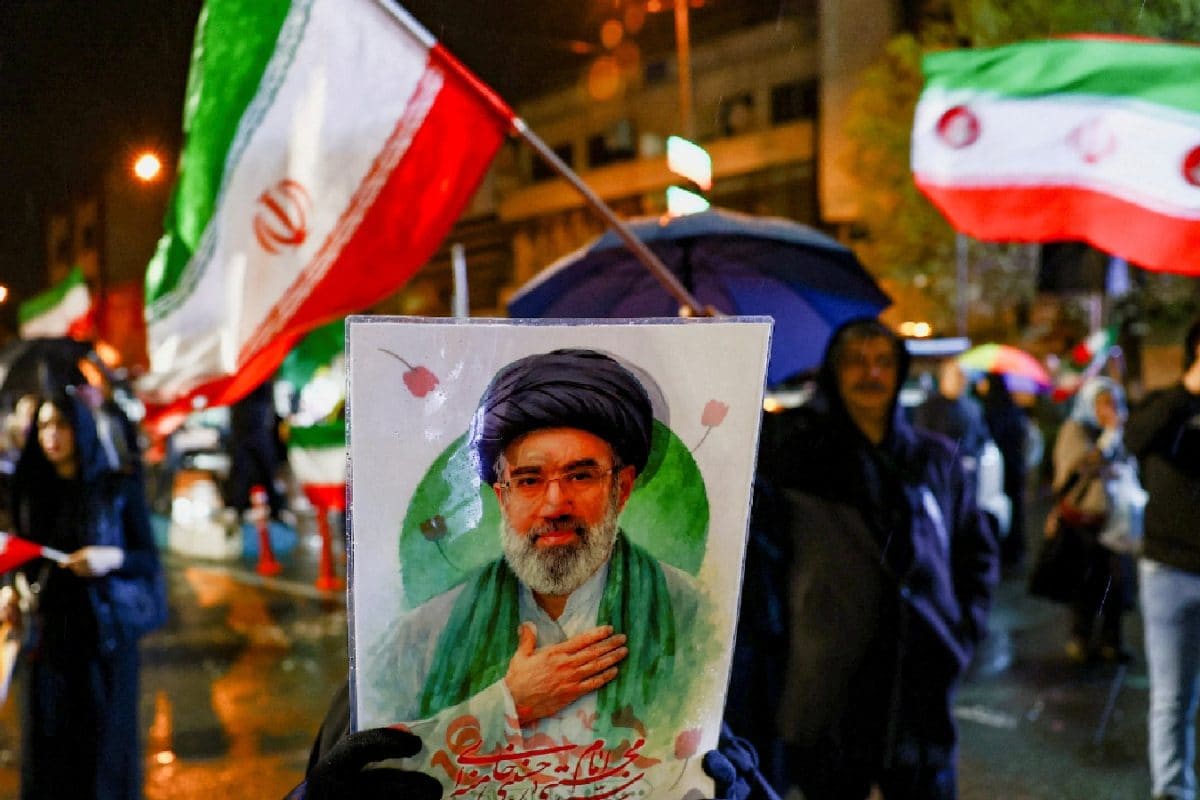
Why Iran Believes It Has Emerged Stronger From The Deal With US Published By, Last Updated: June 19, 2026, 11:50 IST Iran sees the deal with US as proof that it withstood the war without surrendering its most important bargaining chips. Rapid Read A woman holds a poster depicting Iran’s Supreme Leader Mojtaba Khamenei during an anti-U.S. and anti-Israeli rally. (IMAGE: REUTERS/File) Iran ended more than 100 days of war militarily weaker than when it began. Its infrastructure was damaged, its regional allies were battered and its deterrence was badly tested. Yet Iran believes the agreement with the United States has handed it something the battlefield could not: a chance to turn survival into strategic advantage. For Tehran, survival itself has become a form of victory. Iran’s First Objective Was Regime Survival Iran entered the conflict facing a far stronger conventional military coalition. Its regional network had already come under severe pressure since the October 7 attacks and the wars that followed. Hamas and Hezbollah were weakened, Iranian military facilities came under direct attack and the ability of Tehran’s so-called Axis of Resistance to project power across the region was challenged. Against that backdrop, Iran’s primary objective appears to have been not to defeat the US and Israel militarily, but to ensure that the Islamic Republic remained intact, its leadership continued functioning and its negotiating position was not destroyed. The regime survived, its leadership remained in place and Tehran retained a seat at the negotiating table — the three outcomes underpinning its claim of victory.
Israeli intelligence official and Middle East analyst Avi Melamed described Iran’s emerging approach as one of recovery after survival. “The Iranian regime is now entering the strategy of what I call surviving, recovering, and rebuilding," Melamed told Iran International. “The Iranian regime marked a triumph," he added. Why The Initial Terms Favour Tehran The Memorandum of Understanding, signed separately by US President Donald Trump and Iranian President Masoud Pezeshkian, formally ends military operations and establishes a 60-day negotiating period over Iran’s nuclear programme. The framework confirms a halt to fighting on all fronts, including Lebanon, recognises mutual respect for sovereignty, provides for the reopening of the Strait of Hormuz and requires the removal of the US naval blockade on Iranian shipping. Iran’s immediate commitments are important but relatively limited. Tehran has agreed to help guarantee safe commercial passage through Hormuz, reaffirm that it will not pursue nuclear weapons and enter negotiations over its highly enriched uranium and the future of its enrichment programme. The US commitments appear broader. According to the MoU, Washington will begin removing the naval blockade, issue waivers for Iranian oil exports, make frozen or restricted Iranian assets available and work towards easing sanctions. The framework also mentions a reconstruction and economic development plan for Iran, to be pursued with regional partners, worth at least $300 billion. These provisions put significant economic and strategic benefits within Iran’s reach without requiring it to first dismantle its nuclear infrastructure or surrender its enriched uranium, although their full delivery may depend on progress towards a final agreement.
 The BriefWire