PoK Crackdown Intensifies: 150 JAAC Activists Added To Anti-Terror Fourth Schedule
PoK Crackdown Intensifies: 150 JAAC Activists Added To Anti-Terror Fourth Schedule Reported By, Last Updated: June 19, 2026, 09:50 IST The Fourth Schedule in Pakistan
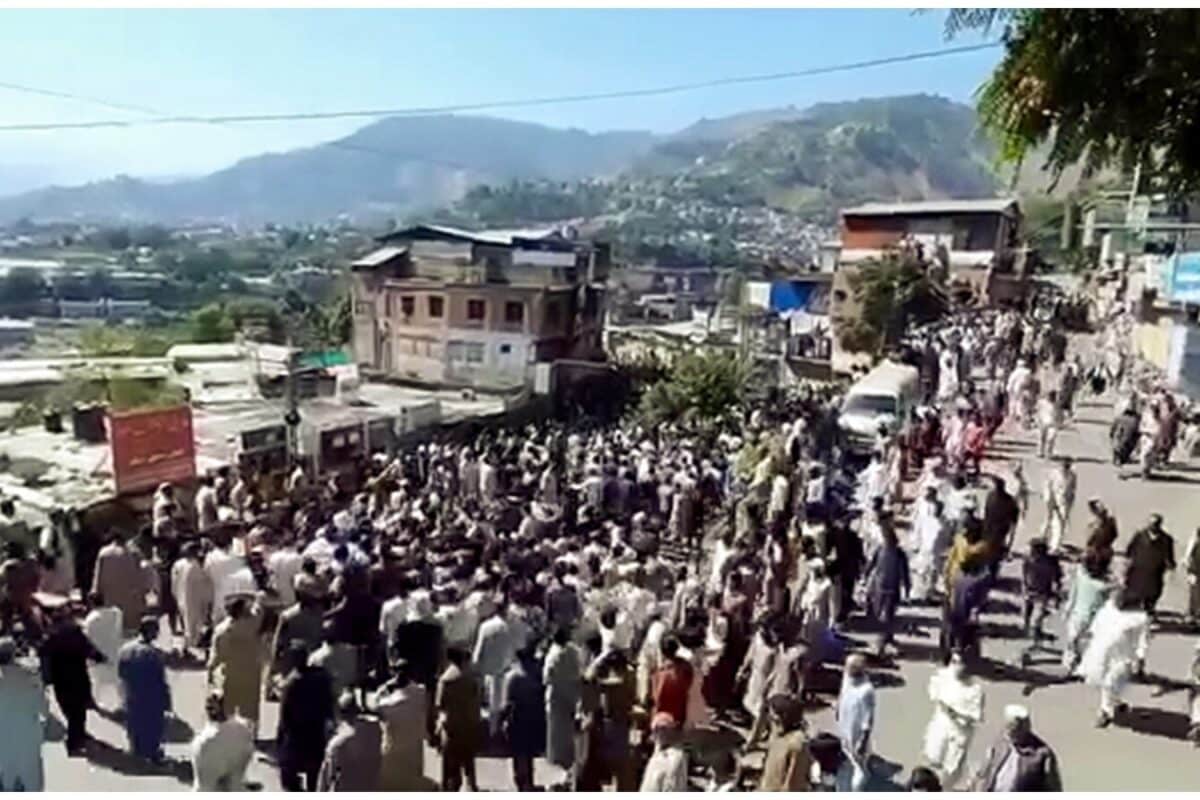
PoK Crackdown Intensifies: 150 JAAC Activists Added To Anti-Terror Fourth Schedule Reported By, Last Updated: June 19, 2026, 09:50 IST The Fourth Schedule in Pakistan is used to monitor individuals suspected of links to terrorism, sectarian violence, or activities considered a threat to public order. Rapid Read Thousands of people from various parts of Pakistan-occupied Jammu and Kashmir (PoJK) gathered in Rawalakot and raised slogans. (ANI) A sweeping security crackdown has been reported in Pakistan-occupied Kashmir, where authorities have allegedly placed around 150 members of the Jammu & Kashmir Joint Awami Action Committee (JAAC) under the Fourth Schedule of the Anti-Terrorism Act, triggering sharp political tensions across the region. According to documents accessed by CNN-News18, the administration in PoK has initiated stringent measures against JAAC activists, with multiple leaders now formally listed under enhanced surveillance provisions.
The Fourth Schedule, a legal mechanism under Pakistan’s Anti-Terrorism Act framework, is used to monitor individuals suspected of links to terrorism, sectarian violence, or activities considered a threat to public order. The notification, reportedly issued under Section 16(1) of the PoK Anti-Terrorism Act, 2014, states that individuals associated with the Jammu & Kashmir Joint Awami Action Committee have been added to the watch list following recommendations from the Central Police Office and approval from the President of PoK. Alongside the listing, authorities have allegedly frozen assets and sealed several businesses linked to prominent JAAC figures. Properties impacted include commercial establishments, educational institutions, and private enterprises such as family-owned marts, plazas, hostels, schools, and bakeries. Leaders named in the reports include senior activists such as Shaukat Nawaz Mir, Umar Nazir Kashmiri, Aman Khan, and Raja Amjad Ali Khan, among others.
Officials cited in the documents claim that the move is aimed at maintaining law and order and preventing any escalation of unrest in sensitive areas of the region. However, critics argue that the scale and nature of the crackdown signal a broader attempt to suppress dissenting political voices. The Fourth Schedule designation effectively places individuals under constant surveillance, restricting movement, financial activity, and public participation. Those listed are officially categorized as “proscribed persons" under Pakistan’s Anti-Terrorism Act of 1997, significantly tightening legal scrutiny over their activities. The developments have intensified concerns in the region, with observers noting that such actions could deepen political unrest in PoK, where tensions between civil activism groups and administrative authorities have periodically flared. As enforcement actions continue, the situation remains fluid, with further reactions expected from both local leadership and civil rights groups monitoring developments on the ground.
 The BriefWire