US-Iran Deal Signed, Narrative War Continues: Why Both Trump And Khamenei Are Claiming Victory
US-Iran Deal Signed, Narrative War Continues: Why Both Trump And Khamenei Are Claiming Victory Published By, Last Updated: June 19, 2026, 08:01 IST Iranian leaders
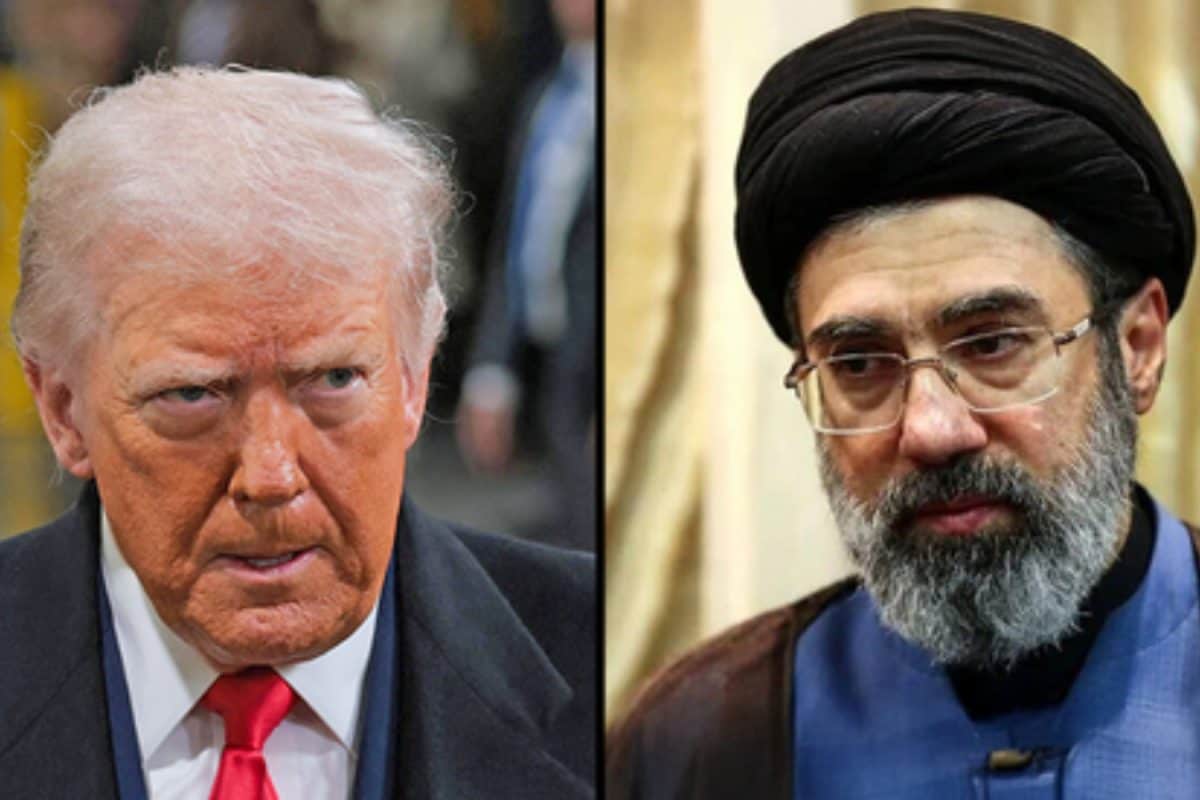
US-Iran Deal Signed, Narrative War Continues: Why Both Trump And Khamenei Are Claiming Victory Published By, Last Updated: June 19, 2026, 08:01 IST Iranian leaders and state-backed media have portrayed the agreement as proof that the United States was forced to negotiate after failing to achieve its military objectives. Rapid Read US President Donald Trump and Iran's Supreme leader Mojtaba Khamenei (Photos: AFP) The United States and Iran may have signed a memorandum of understanding (MoU) aimed at ending months of conflict, but the diplomatic breakthrough has quickly been followed by another battle – one over public perception. In Washington, US President Donald Trump has hailed the agreement as a major foreign policy achievement that ended the war, prevented Iran from acquiring a nuclear weapon and opened the door for a broader peace process in West Asia. In Tehran, however, the message is in stark contrast. Iranian leaders and state-backed media have portrayed the agreement as proof that the United States was forced to negotiate after failing to achieve its military objectives. The contrast underscores a familiar feature of international diplomacy: even after an agreement is reached, both sides often seek to convince their domestic audiences that they emerged stronger. We Did Not Accept The Enemy’s Position: Khamenei Iran’s Supreme Leader Mojtaba Khamenei publicly acknowledged that he personally had reservations about the MoU but approved it after receiving assurances from President Masoud Pezeshkian and senior officials that Iran’s rights would be protected. In a written message, Khamenei said he authorised the agreement after officials pledged to safeguard “Iran’s rights and the interests of the Resistance Front." He also stressed that any future face-to-face negotiations with Washington “would not mean accepting the enemy’s position." According to Iranian media, Khamenei also accused Trump of using pressure tactics to secure the agreement, saying the US president had employed “all kinds of leverage" because he was “desperate" for a deal.
The remarks were presented as evidence that Washington needed the agreement more than Tehran. The messaging serves two purposes. Domestically, it reassures conservative supporters that Iran did not capitulate under pressure. Internationally, it seeks to project that Tehran negotiated from a position of resilience despite months of military conflict and sanctions. Trump’s Message: Historic Deal, But A Fresh Warning Trump, meanwhile, has continued to present the agreement as a landmark diplomatic success while simultaneously warning Iran against violating its commitments. After the MoU was signed, Trump said that if Iran failed to honour the agreement or resumed pursuing nuclear weapons, the United States would respond with overwhelming military force, warning that it would “bomb the hell out of them." The administration has repeatedly maintained that the deal creates a pathway towards a permanent peace agreement but that military options remain on the table if Tehran defaults. Trump has also insisted that reports claiming the United States was giving Iran a $300-billion reconstruction package were “false". The White House has argued that the proposed Reconstruction and Development Fund envisaged under the framework would be financed by private investors, largely from Gulf countries and other international partners, rather than US taxpayers. That clarification followed reports suggesting the deal included a massive American-funded reconstruction package, a claim that quickly became a point of political debate in the US. A Glorious Defeat: Iranian Media Several Iranian newspapers celebrated the agreement as what they described as “a glorious defeat" for the United States. Front pages carried triumphant headlines, while caricatures mocked Trump, portraying him as a leader forced into negotiations after military and diplomatic pressure failed to produce the outcome Washington wanted. Javan, an Iranian daily newspaper close to Iran’s Revolutionary Guard Corps (IRGC), called the US as having suffered “a glorious defeat".
 The BriefWire