As Europe Swelters, Heatwaves Kill 5,400 People A Year In France: What's Happening
As Europe Swelters, Heatwaves Kill 5,400 People A Year In France: What's Happening Published By, Last Updated: June 19, 2026, 03:29 IST Much of Europe
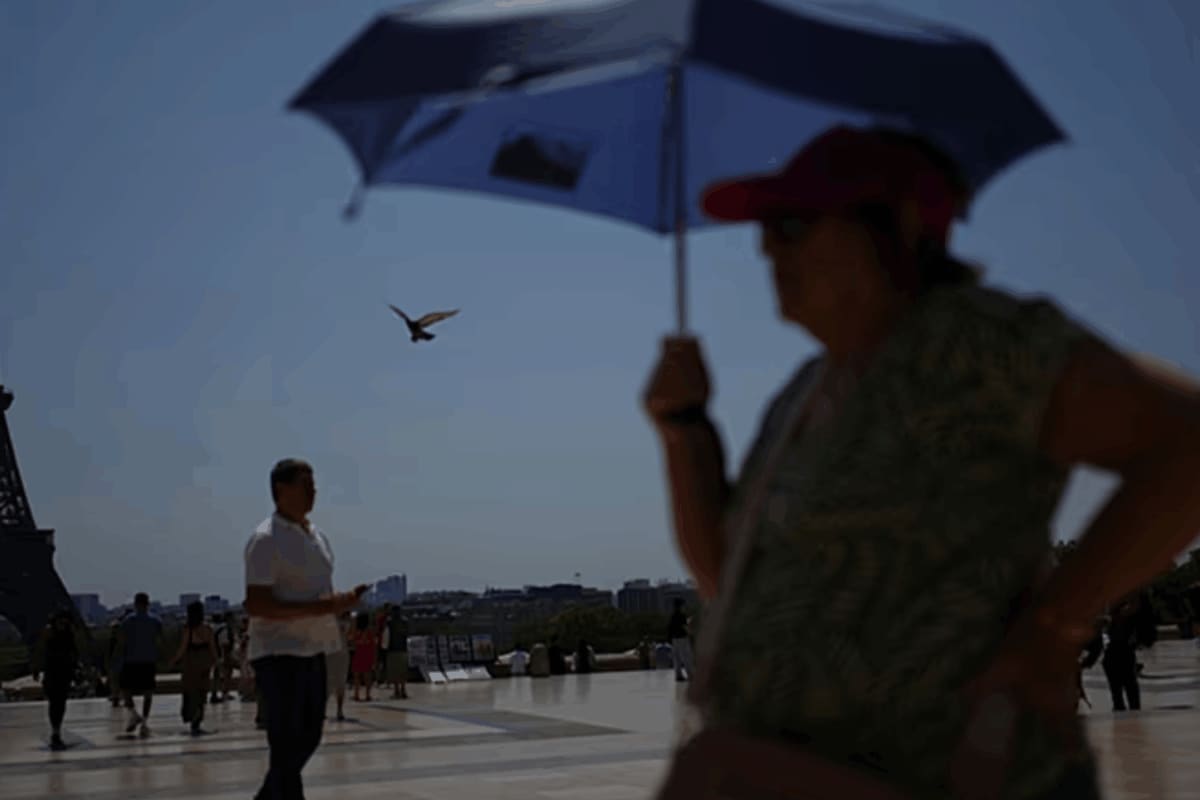
As Europe Swelters, Heatwaves Kill 5,400 People A Year In France: What's Happening Published By, Last Updated: June 19, 2026, 03:29 IST Much of Europe braces for an unusually severe June heatwave, with temperatures forecast to approach 40 degrees Celsius in some regions. Rapid Read Oxfam estimates that extreme heat is responsible for around 5,400 deaths annually in France. Two new studies warned that increasingly intense heatwaves are posing a growing threat to public health in France, with the greatest risks falling on residents of poorly adapted housing and economically disadvantaged neighbourhoods. The findings come as much of Europe braces for an unusually severe June heatwave, with temperatures forecast to approach 40 degrees Celsius in some regions. An analysis by Oxfam estimates that extreme heat is responsible for around 5,400 deaths annually in France and argues that the issue should be treated as a major public health emergency. According to the report, the health effects of heatwaves extend far beyond dehydration and heatstroke, particularly among older people.
Oxfam found that the risk of dying from a heart attack increases by seven per cent during periods of extreme heat, while mortality rates among women can double on the hottest days. The study also found that prolonged heatwaves lasting more than a week significantly increase the risk of acute kidney failure, with cases rising by as much as 70 per cent during extended periods of high temperatures. Researchers warned that climate change is amplifying existing social inequalities. Oxfam estimates that excess mortality during the summer of 2025 was 31 per cent higher in France’s most deprived areas than in its wealthiest communities. Residents of the wealthiest fifth of urban neighbourhoods are up to ten times less exposed to extreme heat risks than those living in poorer districts, the report found. A separate study by the Housing Foundation reached similar conclusions, highlighting the growing challenge of what it describes as “summer energy poverty"- the inability of households to keep homes cool during increasingly frequent heatwaves.
The foundation found that 66 per cent of people in France struggle to cope with heat inside their homes. It also reported that around 40 per cent of dwellings are not adequately equipped with shutters, which are considered one of the most effective and affordable ways to prevent overheating. Working-class neighbourhoods are particularly vulnerable because residents often face multiple risk factors simultaneously. Many live in densely built urban environments with heat-absorbing materials, limited green spaces and poorly insulated housing that can trap heat for extended periods. The study also noted that residents of poorer areas are generally in worse health and are more likely to work in occupations that require exposure to high temperatures. In response to the findings, both organisations are urging the French government to accelerate efforts to adapt homes and public spaces to a warming climate. The Housing Foundation has called on lawmakers to advance a proposed “Zero Kettle Homes" bill, backed by more than 150 members of parliament, which aims to improve protection against extreme heat in residential buildings.
 The BriefWire