From Red Road To Ganga Ghats: PM Modi's Kolkata Yoga Day Event Emblematic Of Bengal's Cultural Rebranding
From Red Road To Ganga Ghats: PM Modi's Kolkata Yoga Day Event Emblematic Of Bengal's Cultural Rebranding Written By, Last Updated: June 19, 2026, 00:06
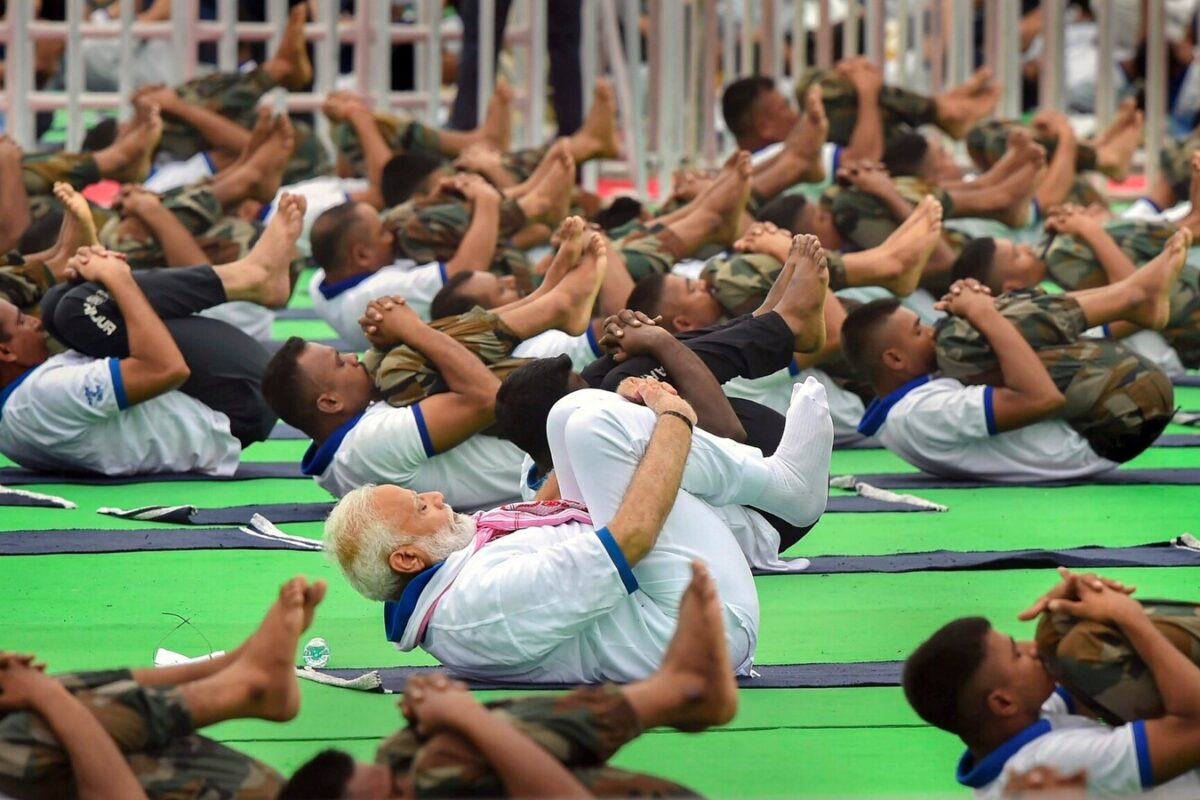
From Red Road To Ganga Ghats: PM Modi's Kolkata Yoga Day Event Emblematic Of Bengal's Cultural Rebranding Written By, Last Updated: June 19, 2026, 00:06 IST Across the state, there is also a visible, structured transition away from the 'secularised' commercial carnivals that defined Durga Puja under the TMC regime By utilising Red Road—a venue synonymous with the political capital of the erstwhile ruling state apparatus—the event challenges the long-standing monopoly over Bengal’s public symbolism. File image/PTI In a move heavy with geopolitical and cultural symbolism, Prime Minister Narendra Modi is scheduled to lead the central International Day of Yoga celebrations at Kolkata’s iconic Red Road on June 21. The high-profile event directly coincides with Paschim Bango Divas, the state’s foundation day, marking a significant convergence of national policy and regional identity. By anchoring a major central government initiative on the very tarmac traditionally associated with massive state- Eid prayers, New Delhi is signalling a profound shift in Bengal’s highly contested public sphere. The Prime Minister’s presence in the heart of Kolkata underscores a rapidly evolving political narrative in West Bengal, which has recently come under BJP rule.
For decades, the state’s political identity was fiercely guarded by a secular-left consensus, later succeeded by Mamata Banerjee’s visible emphasis on minority outreach. Public symbolism long reflected this socio-political alignment, making images of regional leaders at minority religious gatherings a staple of the local news cycle. However, the upcoming Yoga Day assembly and the concurrent celebration of the state’s foundation day represent a concerted effort to recalibrate Bengal’s cultural focus towards mainstream national traditions. Reclaiming Traditional Heritage and the Public Sphere This administrative and cultural pivot extends far beyond a single morning of yoga. Across the state, there is a visible, structured transition away from the “secularised" commercial carnivals that defined Durga Puja under the Trinamool Congress regime. Instead, community organisers and cultural forums are increasingly advocating for a return to the festival’s original spiritual character. This organic and orchestrated reclamation is mirrored by a renewed emphasis on public heritage projects, including the massive beautification and development of the Ganga Ghats, which are being repositioned as central hubs for civic life and cultural pride.
 The BriefWire