‘Don't Know Exactly When’: Vance Keeps Switzerland Trip Timeline Vague Ahead Of Deal Signing
‘Don't Know Exactly When’: Vance Keeps Switzerland Trip Timeline Vague Ahead Of Deal Signing Published By, Last Updated: June 18, 2026, 23:12 IST JD Vance
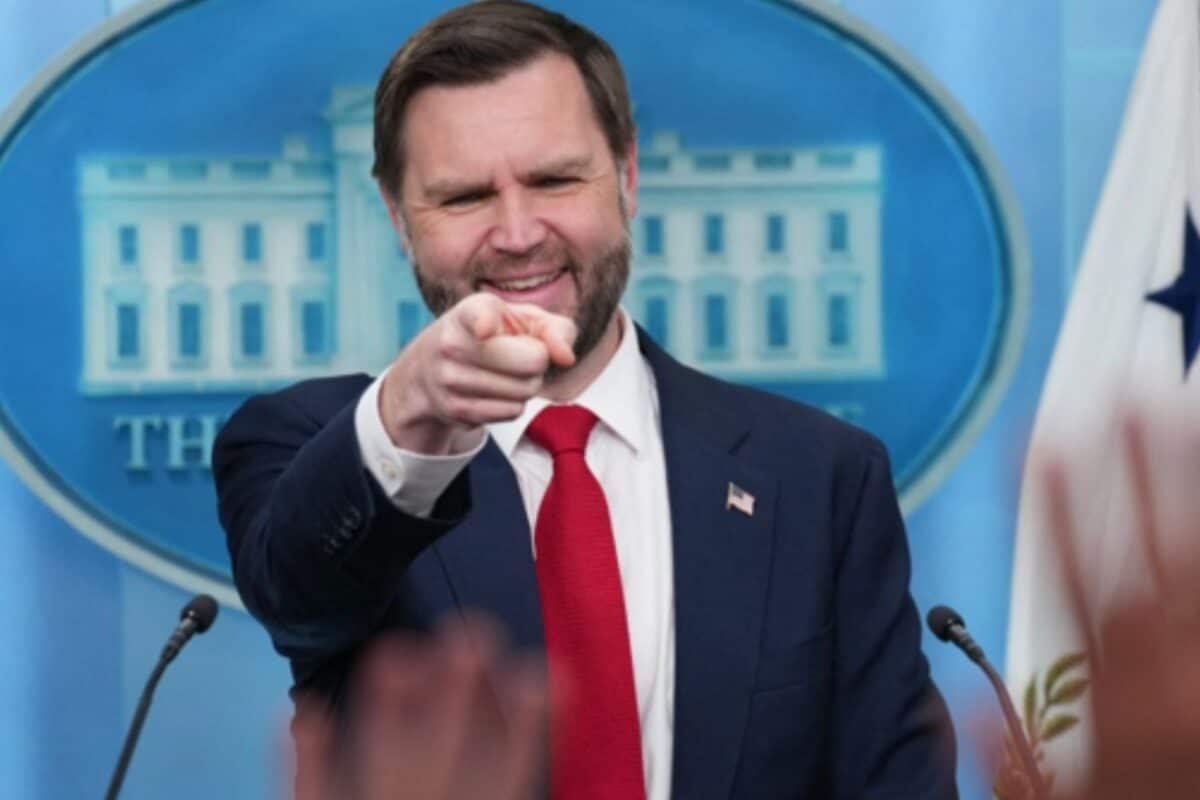
‘Don't Know Exactly When’: Vance Keeps Switzerland Trip Timeline Vague Ahead Of Deal Signing Published By, Last Updated: June 18, 2026, 23:12 IST JD Vance says he will likely join Switzerland talks as the US and Iran begin a 60-day peace deal period, reopening the Strait of Hormuz and oil flows. US Vice President JD Vance speaks at the White House. US Vice President JD Vance on Thursday said he will likely go to Switzerland for discussions on the peace agreement, but the date was not fixed. Addressing the reporters in White House, Vance said: “Our plan is to go to Switzerland, I don’t know when." United States President Donald Trump and his Iranian counterpart, Masoud Pezeshkian, on Thursday signed a peace deal aimed at ending the months-long US-Iran war in West Asia.
Check for Live Updates on Iran war The memorandum stops the fighting, provides for the reopening of the Strait of Hormuz and begins a 60-day negotiating period over Iran’s nuclear programme. After the ‘digital signing’ of the Memorandum of Understanding (MoU), Tehran said the Friday meeting was unlikely to happen. The Swiss Ministry of Foreign Affairs said on Thursday that talks between the US and Iran would continue tomorrow, with mediators including Pakistan and Qatar to attend the discussions over the implementation of the agreement. “As things stand, the plan is still for the US and Iran, along with mediators Pakistan and Qatar and other involved countries, to meet tomorrow at Buergenstock for initial negotiations about implementing the agreement," the ministry said in a statement, according to a report by Reuters.
Speaking to reporters on Thursday, JD Vance said Washington is committed to “implement our side" of the first phase of the peace deal signed with Iran. He further said that the 60-day period stipulated in the memorandum of understanding with Iran started on Thursday. The Vice President said that 12.5 million barrels of oil crossed the Strait of Hormuz last night. “The amount of oil that passed through the Strait of Hormuz last night represents the highest rate since the start of the conflict," he said. The data tracked by global merchandise trade monitoring agency Kpler showed that the traffic flowing from one of the most important global chokepoints – the Strait of Hormuz – has only been low. Experts, according to several media reports, had suggested it will take time for global trade, even in crude oil, to return to normal volumes following a break in hostilities.
 The BriefWire