Oil nations on edge in the face of new climate coalition
Even amid an ongoing energy crunch, major economies are dodging firm timelines to phase out coal, oil and gas. Fossil fuel-producing nations now fear new
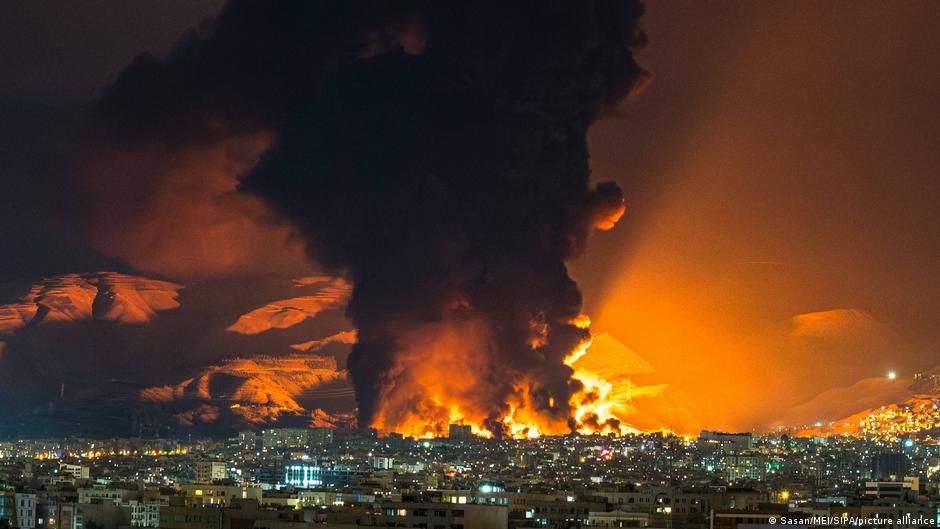
Even amid an ongoing energy crunch, major economies are dodging firm timelines to phase out coal, oil and gas. Fossil fuel-producing nations now fear new clean energy alliances could ramp up the pressure to go green. If the peace agreement holds, the conflict between the US and Iran may soon be over, but it could take months if not years before the global economy returns to its previous course. As the Iran war and current energy crisis have again exposed the global economy's dependence on oil and gas, some economists say it is time to accelerate the transition away from fossil fuels, and to reduce dependence on volatile energy markets. In opening remarks at this year's climate talks in the German city of Bonn, UN climate chief Simon Stiell said the war in the Middle East was not only responsible for "immense human suffering" but had sparked "a fossil fuel cost crisis that's strangling economies everywhere." He said it had now become "crystal clear," that maintaining dependence on fossil fuels meant continuing to import inflation and economic instability. In the wake of the war in Iran, the issue of energy security has taken center stage worldwide. It is not yet clear whether this will lead to more investment in renewable energy. Image: US Central Command/AFP The Bonn negotiations have been ongoing for the past two weeks with the aim of preparing the agenda for the 2026 COP climate conference, to be held in Turkey in November. The yearly COP summit brings together the almost 200 countries party to the Paris Agreement — the 2015 accord designed to keep global temperature rise to well below 2 degrees Celsius (3.6 degrees Fahrenheit) and with efforts to limit it to 1.5 degrees. Burning coal, oil and gas remains the primary driver of rising temperatures across the world, and the annual talks focus on how to transition towards a clean clean energy future in a fair and equitable way.
The words "fossil fuels", however, do not actually appear in the Paris Agreement. And for many years explicitly discussing their phaseout was considered almost taboo within negotiating rooms. At the climate summit in Brazil, representatives from Colombia and other countries advocated for a joint plan to phase out fossil fuels Image: Pablo Porciuncula/AFP But observers say the latest energy price shocks have shifted the political debate in Bonn and opened up new discussions about energy independence. Not least because oil and gas importing countries are now facing higher costs. Though this changing political mood has yet to trickle down to the highly technical climate negotiations. New pro-renewables alliance not universally endorsed At the climate summit in Brazil in November 2025, governments failed to agree on a clear roadmap for phasing out fossil fuels, with efforts blocked in particular by oil producing states such as Saudi Arabia and Iran. China, Russia, Tanzania and Senegal also opposed stronger language on any shift. In response to this lack of consensus, around 60 countries gathered in Colombia in April for the first conference specifically dedicated to implementing a transition away from fossil fuels (TAFF). New alliances want to accelerate the phase-out because climate negotiations are taking too long Image: Ivan Valencia/AP Photo/picture alliance The meeting amounted to a "coalition of the willing". Hosted by Colombia and the Netherlands, it brought together countries including Brazil, Australia and Norway, as well as many nations that are already experiencing severe climate impacts. Germany also attended. Africa against the "alliance of the willing" Opinions differ widely on how and whether the TAFF initiative could influence implementation of the Paris Agreement, which is entirely separate from the international accord. Nonetheless, a senior diplomat from a TAFF participating country told DW on condition of anonymity that national representatives had continued to discuss possible future structures and working methods of the new alliance behind closed doors in Bonn.
 The BriefWire