Investors brace for less predictable Fed
NEW YORK: The Kevin Warsh era at the Federal Reserve began with a jolt on Wall Street, with investors bracing for sharp moves as the
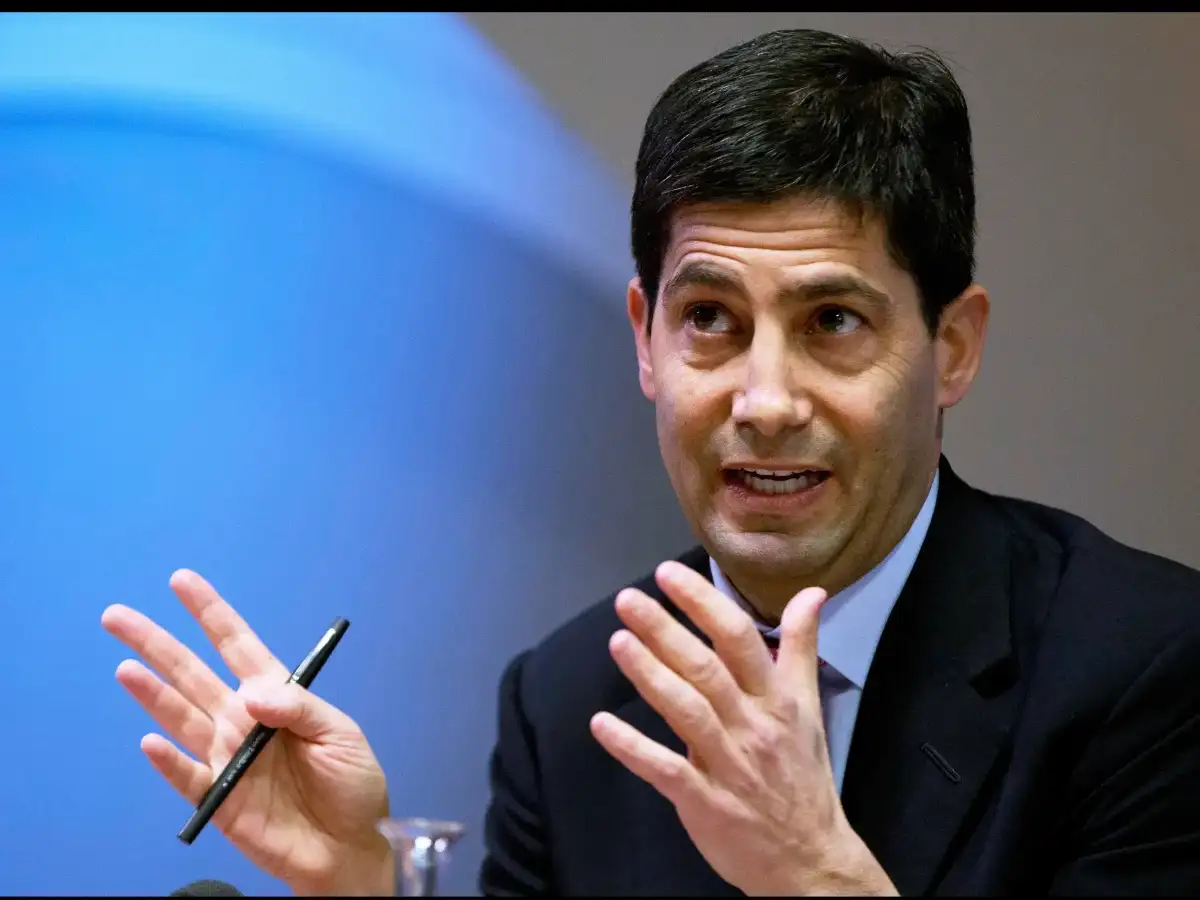
NEW YORK: The Kevin Warsh era at the Federal Reserve began with a jolt on Wall Street, with investors bracing for sharp moves as the central bank pulls back from signaling possible future interest rate moves. The Fed held interest rates steady as expected on Wednesday, but new projections and comments from Warsh, who was presiding over his first meeting as chair, blindsided traders and led markets to price in a possible hike within months. Investors are now confronting a more opaque Fed under Warsh, one that is retreating from forward guidance and overhauling its messaging - a shift that could inject fresh volatility into markets. His first policy statement dropped guidance on the future path of rates, while he signalled possible changes to how the Fed communicates, interprets data and approaches inflation. "He's hot out of the gate, and he's putting his thumbprint on everything Fed-related," said Michael Reynolds, vice president of investment strategy at Glenmede. MORE FED SURPRISES IN STORE? Investors had eagerly awaited Warsh's debut for clues on how the Fed might alter its operations under new leadership. One immediate change was a stripped-down monetary policy statement that omitted potential near-term actions, echoing the format used by former Fed Chairman Alan Greenspan who sat at the helm of the central bank from 1987 to 2006.
"You are transitioning from what I believe was the most transparent Fed, who didn't like to deliver surprises or disappointments, to a less transparent Fed, who doesn't want to be boxed in or handcuffed to forward guidance that was given previously," said Michael Arone, chief investment strategist at State Street Investment Management. Warsh said financial markets should price securities based on their own reading of the economy rather than trying to anticipate policymakers' views of the data. Markets have consistently priced in the Fed's moves with a very high degree of accuracy over the past 20 years, said David Seif, chief economist for developed markets at Nomura. "The simplification of communication could ultimately mean that this idea that has persisted for quite some time, that the Fed almost never surprises markets, could go away," Seif said. Warsh also announced a review of the Fed's operations, including its balance sheet, communications, data sources, productivity and jobs, and its inflation framework. "Both in what he said and really chose not to say showed to the market and to the Fed watching community that the way the Fed is going to communicate moving forward is going to change appreciably," said Joseph Purtell, a portfolio manager at Neuberger Berman.
MARKETS PRIMED FOR INTEREST RATE HIKES AHEAD A more hawkish Fed could cool a long-running equity rally by lifting borrowing costs for companies and consumers, while driving up the dollar and bond yields. Markets entered 2026 pricing in more rate cuts, but that flipped after the late-February U.S.-Israeli war with Iran drove up energy prices and inflation, shifting bets toward a possible year-end hike. Recent data have shown inflation running well above the Fed's 2% annual target, a target that Warsh reaffirmed on Wednesday. Wednesday's meeting boosted the market's hawkish bets. The Fed's quarterly projections showed nine Fed officials now anticipate a hike in rates by the end of 2026. Warsh's emphasis in a press conference on price stability was interpreted as hawkish by markets, said Josh Jamner, senior investment strategy analyst at ClearBridge Investments. Fed funds futures late on Wednesday suggested a better than even odds of a hike at the central bank's September meeting, according to CME FedWatch. "September now is very 'live' in terms of the possibility of seeing a rate hike, but if the June data is hot, I think they could hike as early as July," said Dustin Reid, chief strategist of fixed income at Mackenzie Investments in Toronto.
Stocks pulled back from near record highs on Wednesday, with the benchmark S&P 500 ending down 1.2%. The two-year U.S. Treasury yield hit its highest level since February 2025, while the dollar strengthened across the board. However, some investors say the reaction to Wednesday's meeting may be overdone, saying they doubted that rate hikes were imminent. Warsh himself did not participate in the rate projections that precipitated some of the hawkish response. A key factor for investors was lower oil prices, with U.S. crude falling to roughly $75 a barrel by Wednesday in the wake of the U.S.-Iran deal over the weekend. "I don't think that this is necessarily as hawkish as people make it out to be because (Warsh) understands that gas prices will probably pull down overall inflation over time," said Drew Matus, chief market strategist at MetLife Investment Management in New Jersey.
 The BriefWire