Crude oil is no longer the villain. A new threat could raise your household bill
For weeks, economists feared that the conflict in West Asia would become the biggest threat to India's inflation outlook. A spike in crude oil prices
For weeks, economists feared that the conflict in West Asia would become the biggest threat to India's inflation outlook. A spike in crude oil prices could have made petrol, diesel and cooking gas costlier, pushed up transportation costs and squeezed household budgets. That risk has eased considerably. Oil prices have cooled from their recent highs, tensions in the region have eased following the US-Iran peace agreement, and fears of a major supply disruption through the Strait of Hormuz have receded. Read Full Story Yet inflation concerns have not disappeared. India's retail inflation rose to 3.93% in May from 3.48% in April, driven largely by higher food and fuel prices. Wholesale inflation climbed to 9.68% during the month as the energy shock from the Middle East conflict continued to ripple through the economy. The Reserve Bank of India (RBI) has also raised its inflation forecast for FY27 to 5.1% from 4.6%, citing higher energy costs and growing uncertainty. But while crude oil dominated inflation discussions just weeks ago, economists now believe a bigger threat may be emerging much closer home: the monsoon. OIL NO LONGER THE VILLAIN Dr Manoranjan Sharma, Chief Economist at Infomerics Ratings, said that the bigger inflation risk for India today is no longer crude oil but rainfall.
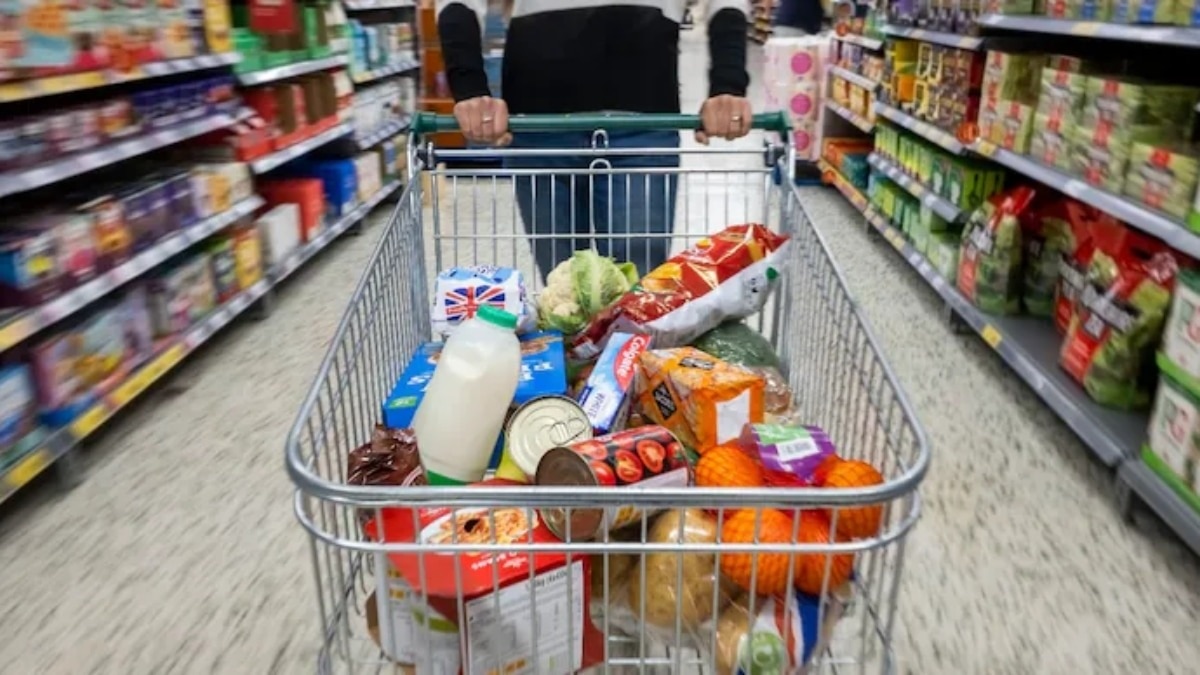
"A weak monsoon now poses a bigger inflation risk to India than crude oil. Global oil prices remain relatively contained, the West Asian crisis appears to be easing, and India has diversified crude imports while strengthening refining and pricing flexibility," Sharma said. The reason is simple. Food carries a much larger weight in India's inflation basket than fuel. "Nearly half of India's cultivated land remains rain-fed. Since food has 46% weight in the CPI basket, deficient rainfall can sharply reduce output of cereals, pulses, vegetables, fruits and oilseeds, driving broad-based inflation and directly impacting household budgets," he said. In other words, while a jump in crude prices affects transportation and logistics, poor rainfall can directly hit the prices of everyday food items that households buy every week. WHY YOUR GROCERY BILL COULD RISE For consumers, the most visible impact of a weak monsoon is often felt at the vegetable market and grocery store. When rainfall falls short, agricultural output suffers. Supplies tighten, and prices begin to rise. Sharma noted that poor monsoon conditions, particularly during El Nio years, often lead to sharp increases in food inflation. "A weak monsoon, especially under El Nio conditions, significantly raises household expenses through higher food prices.
Poor rainfall often pushes inflation in vegetables, pulses, edible oils and milk into double digits," he said. The impact on household budgets can be significant. "For a middle-income urban family, this could increase monthly expenses by Rs 1,000-Rs 3,000. Lower-income households are more vulnerable because food accounts for a larger share of spending," Sharma added. The burden is often even greater in rural areas. "Rural families face a double whammy of rising food costs and weaker farm incomes, while higher transport and service costs further erode purchasing power," he said. WHY THE RBI IS WATCHING THE MONSOON The inflation outlook matters not only for households but also for policymakers. Retail inflation may still be within the RBI's comfort zone, but price pressures have already started showing signs of picking up. Inflation rose to 3.93% in May from 3.48% in April, while the central bank recently raised its FY27 inflation forecast to 5.1%. According to Sharma, a weak monsoon could make the RBI's task even more difficult. "Deficient rainfall typically fuels food inflation by reducing agricultural output and disrupting supplies of vegetables, pulses and oilseeds. This could slow the decline in inflation and constrain the RBI's ability to cut interest rates," he said.
Food inflation is particularly important because it has a much larger impact on Indian households than fuel inflation. A sustained rise in food prices could keep inflation elevated even if crude oil prices remain relatively stable. "Economic growth may also decelerate as weaker farm incomes dampen rural consumption," Sharma added. SHOULD HOUSEHOLDS WORRY? While economists are watching rainfall patterns closely, Sharma cautions against assuming that India is heading towards a repeat of past drought-driven inflation shocks. The economy today is better prepared than it was a decade ago. India has larger foodgrain stocks, wider irrigation coverage, improved logistics networks and more effective government support mechanisms to manage supply disruptions. "However, larger foodgrain stocks, improved irrigation, better logistics and targeted government support make the economy more resilient than during past drought episodes," Sharma said. That means a weak monsoon may not trigger a full-blown inflation crisis. But it could still put pressure on household budgets at a time when many families are already grappling with higher living costs. The Iran oil scare may be fading, but India's next inflation challenge could come from something far more familiar: the rain. Ends
 The BriefWire