How A Three-And-A-Half-Month Iran War Left A Lasting Bill For America And The World
How A Three-And-A-Half-Month Iran War Left A Lasting Bill For America And The World Published By, Last Updated: June 18, 2026, 14:10 IST From Hormuz
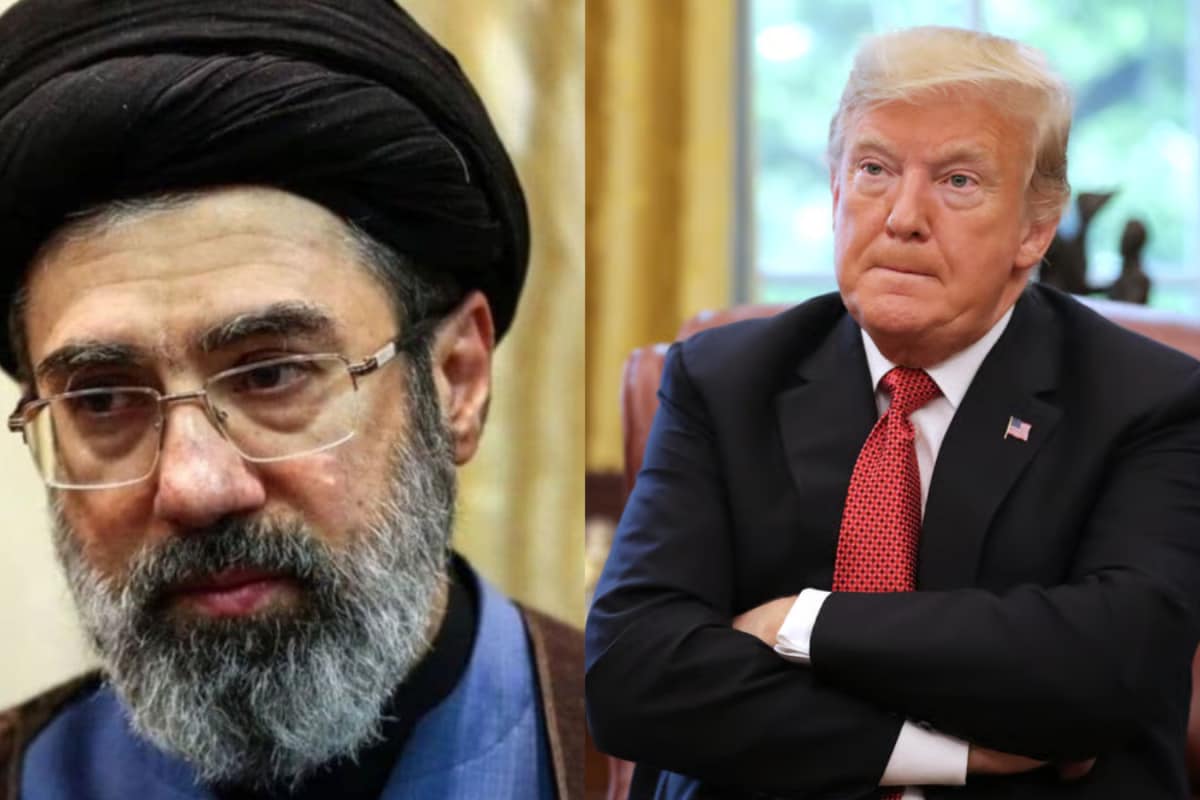
How A Three-And-A-Half-Month Iran War Left A Lasting Bill For America And The World Published By, Last Updated: June 18, 2026, 14:10 IST From Hormuz disruptions to weakened Gulf economies and higher food and energy costs, the US-Iran war left a global bill that is still rising. Rapid Read Iran's Supreme Leader Mojtaba Khamenei and US President Donald Trump. (File Image) The Iran war was short compared with many modern conflicts. But its economic consequences may not be. The United States and Iran have signed a memorandum of understanding that extends the ceasefire and establishes a framework for further negotiations. Even if the agreement holds, the conflict has already left behind a bill running into hundreds of billions of dollars, damaged energy infrastructure, disrupted global trade and weakened economies across the Middle East. Its human cost was also severe. 13 US service members and more than 3,300 Iranians were killed, according to state media. Authorities in Lebanon reported another 3,826 deaths, while nearly 60 people were killed in Israel and dozens across Gulf countries. But the costs extend far beyond the battlefield. The war drove up oil and fuel prices, contributed to higher inflation and mortgage rates in the United States, shut down much of the traffic through the Strait of Hormuz and disrupted the supply of goods ranging from fertilisers to semiconductors. The fighting lasted three and a half months. Rebuilding damaged facilities, restoring confidence in Gulf economies and reversing the pressure on household costs could take years. What Is The Known Cost So Far? Moody’s Analytics estimates that the war has cost US consumers and taxpayers about $132 billion so far. That figure is separate from the Pentagon’s estimated $29 billion in operational military spending and does not include the full cost of repairing American bases damaged by Iranian strikes. The memorandum of understanding between Washington and Tehran also includes a plan for $300 billion in reconstruction and development assistance for Iran, according to the agreement as read to reporters by Trump administration officials. These figures measure different parts of the war’s financial burden, but together they show how quickly the cost expanded during a conflict that lasted only a few months. And the final total is still unknown. Military equipment must be replaced, damaged bases repaired and losses across the energy, aviation and tourism sectors fully calculated.
How Hormuz Turned A Regional War Into A Global Economic Shock The Strait of Hormuz was the main channel through which the war spread economic pain around the world. Iran’s blockade and the near-shutdown of the waterway restricted oil and gas exports from the Gulf. Middle Eastern producers cut crude output by more than 11 million barrels a day in May compared with pre-war levels, according to the US Energy Information Administration. That disruption pushed up international energy prices and raised transport and production costs far beyond the region. In the United States, gasoline prices rose from just under $3 a gallon when the war began to as much as $4.56 a gallon, according to the American Automobile Association. US motorists consume between 360 million and 380 million gallons of gasoline each day, according to the Energy Information Administration. At the peak of the increase, Americans were paying more than half a billion dollars extra every day at petrol pumps. Although prices have since eased, the wartime increase is still adding more than $360 million a day to gasoline costs. Diesel prices also climbed from $3.76 a gallon before the war to a peak of $5.69 in early April. That raised the cost of transporting goods by truck and rail. Airline fares increased by nearly 27 per cent over the past year, largely because of higher jet fuel prices. Oil companies were among the beneficiaries. Saudi Aramco reported a 26 per cent rise in earnings during the first three months of 2026 compared with the same period a year earlier. How The War Raised Food And Borrowing Costs The energy shock quickly spread into other parts of the economy. An April survey by the American Farm Bureau Federation found that fertiliser prices had increased by as much as 47 per cent. Around 70 per cent of US farmers surveyed said they could not afford all the fertiliser they needed. Farmers may not be able to pass the full increase on to consumers, but the higher input costs have added to pressure on the agricultural economy and created fresh uncertainty over food prices. The war also contributed to a rise in US mortgage rates. Rates had briefly fallen below 6 per cent earlier in the year, raising hopes that the housing market could recover after several weak years. By last week, however, the average rate on a 30-year home loan had risen to 6.52 per cent, according to Freddie Mac.
Wartime uncertainty was not the only reason for the increase, but it was a significant factor. The combination of slower growth and higher inflation has made the job of incoming Federal Reserve chief Kevin Warsh more difficult. Why Gulf Economies Suffered Despite Higher Oil Prices The rise in crude prices did not protect the wider Gulf economy. The World Bank this month cut its global growth forecast for 2026 to 2.5 per cent, the weakest rate since the coronavirus pandemic. It expects Gulf economies to grow by only 1.3 per cent this year, sharply lower than the 4.5 per cent recorded in 2025. The bank did not issue a revised forecast for Iran, citing “exceptionally high uncertainty". Qatar faced one of the most severe economic blows. The International Monetary Fund cut its growth outlook by almost 16 percentage points from its October projection. Iranian attacks heavily targeted Qatar, including Ras Laffan Industrial City, a major liquefied natural gas hub. The strikes reduced the country’s LNG export capacity and caused billions of dollars in lost revenue. Saudi Arabia was better able to manage the disruption because it could reroute much of its oil through the East-West pipeline. But the broader region still suffered losses in aviation, tourism, business travel and investment. Aviation And Tourism May Take Longer To Recover Air travel across the Gulf collapsed during the conflict. Flights from Dubai were reduced by two-thirds, while those from Doha fell by three-quarters, according to the IMF. The effects went beyond airlines. Conferences were postponed, hotels emptied and international travel routes were disrupted. For years, Gulf countries had marketed themselves as stable and luxurious destinations for investors, tourists and global businesses. The war challenged that image. A United Nations assessment warned that the change in perceptions about the safety of Gulf states could last for years. That reputational damage may prove harder to reverse than flight cancellations or hotel losses. Even after airports return to normal, tourists, companies and investors may remain cautious. United Nations agencies have also said the war and resulting supply-chain disruptions contributed to global poverty and hunger. What Did The War Cost The US Military? The Pentagon’s current estimate for operational spending is $29 billion. Pentagon comptroller Jules Hurst disclosed the figure during a Senate Armed Services Committee hearing on May 12. It was $4 billion higher than the administration’s estimate in April because of additional repair and replacement costs for equipment.
The estimate remains incomplete. It does not include the cost of repairing US military bases in the Middle East, including facilities in Kuwait and Bahrain that were hit by Iranian drones and missiles. More than a dozen American military installations were attacked, damaging aircraft, radar systems and buildings, according to NPR. Pentagon officials have not yet calculated the full repair bill, partly because the future scale of the US military presence in the region remains uncertain. The Trump administration is expected to seek additional funding from Congress to cover the costs. Did The War Also Carry A Political Cost? The economic pressure created political difficulties for US President Donald Trump. When the US and Israel first attacked Iran on February 28, Trump’s net approval rating stood at minus 15 percentage points, according to The New York Times polling aggregate. His approval rating was 41 per cent, compared with 56 per cent disapproval. By the end of May, his net approval had fallen to minus 22 percentage points before recovering slightly. The decline was gradual, but significant. Trump’s loyal political base has traditionally given him a relatively high floor in approval polling. His rating falling below 40 per cent brought him close to the lowest levels of his first term and suggested sustained dissatisfaction as fuel and other prices rose. The war also weakened the administration’s effort to campaign on affordability ahead of the midterm elections. News18 Newsletter Handpicked stories, in your inbox A newsletter with the best of our journalism submit About the Author Karishma Jain Karishma Jain, Chief Sub Editor at News18.com, writes and edits opinion pieces on a variety of subjects, including Indian politics and policy, culture and the arts, technology and social change. Follo... Read More First Published: June 18, 2026, 14:10 IST News world How A Three-And-A-Half-Month Iran War Left A Lasting Bill For America And The World Disclaimer: Comments reflect users’ views, not News18’s. Please keep discussions respectful and constructive. Abusive, defamatory, or illegal comments will be removed. News18 may disable any comment at its discretion. By posting, you agree to our Terms of Use and Privacy Policy Loading comments...
 The BriefWire