'ISI Given Free Hand, Influenced Parliament': Pakistan Minister Khawaja Asif's Big Claims
'ISI Given Free Hand, Influenced Parliament': Pakistan Minister Khawaja Asif's Big Claims Reported By, Edited By Last Updated: June 18, 2026, 10:34 IST Asif claimed
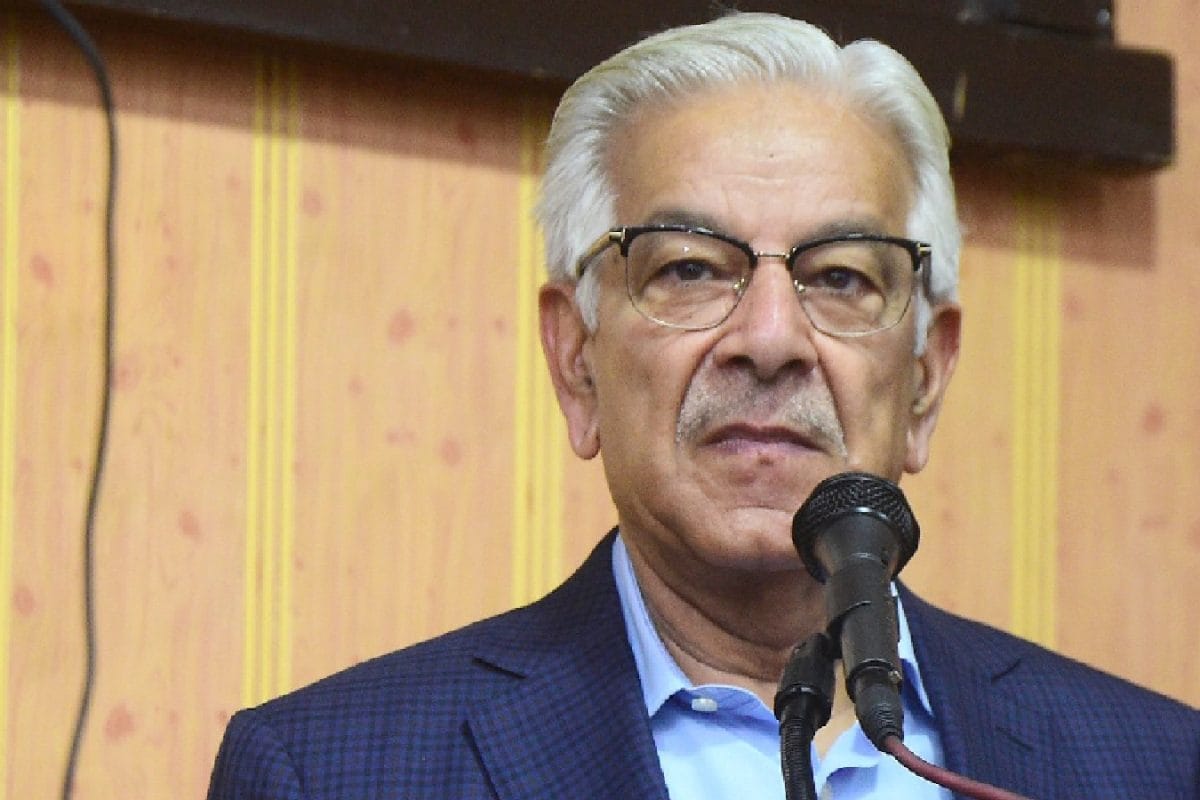
'ISI Given Free Hand, Influenced Parliament': Pakistan Minister Khawaja Asif's Big Claims Reported By, Edited By Last Updated: June 18, 2026, 10:34 IST Asif claimed ISI was deeply involved in legislative decision-making and parliamentary management, with intelligence officials participating in meetings involving lawmakers. Rapid Read Pakistan Defence Minister Khawaja Asif. (IMAGE: REUTERS/FILE) Pakistan Defence Minister Khawaja Asif has made one of the most candid public admissions yet about the military’s role in the country’s political system, alleging that the Inter-Services Intelligence (ISI) directly influenced parliamentary affairs during former Prime Minister Imran Khan’s tenure. Speaking on the floor of Pakistan’s Assembly, Asif claimed that the country’s premier intelligence agency was deeply involved in legislative decision-making and parliamentary management, with intelligence officials participating in meetings involving lawmakers.
“There was a free hand given to the ISI during Imran Khan’s government," Asif said, alleging that then ISI chief General Faiz Hameed’s officers regularly attended meetings at the residence of the then Assembly Speaker to oversee parliamentary business. According to the defence minister, several crucial pieces of legislation, including amendments related to Pakistan’s Anti-Money Laundering laws, were passed under pressure from the intelligence establishment. “The legislation was carried out on their instructions," Asif said, adding that political workers and lawmakers were directed on how to proceed with parliamentary matters. His remarks amount to a rare acknowledgement from a serving cabinet minister that Pakistan’s intelligence apparatus exercised influence over the functioning of Parliament during the Pakistan Tehreek-e-Insaf (PTI) government led by Imran Khan.
Asif also described Pakistan’s current political structure as a “civil-military hybrid regime", arguing that such an arrangement has produced positive governance outcomes. “We are working under a hybrid model, and it is delivering good results," he said, openly endorsing the power-sharing arrangement between the civilian government and the military establishment. Pakistan’s military has long been accused by political parties, civil society groups and international observers of exercising outsized influence over the country’s politics, judiciary and foreign policy. However, military leaders have consistently denied interfering in democratic processes, maintaining that they operate within their constitutional mandate. The latest remarks are significant because they come from Pakistan’s serving defence minister and were made inside Parliament. They are also likely to reignite debate over the military’s role in governance, particularly after years of allegations from political leaders across party lines that elected governments have operated under the shadow of the powerful security establishment.
News18 Newsletter Handpicked stories, in your inbox A newsletter with the best of our journalism submit About the Author Manoj Gupta Group Editor, Investigations & Security Affairs, Network18 First Published: June 18, 2026, 10:34 IST News world 'ISI Given Free Hand, Influenced Parliament': Pakistan Minister Khawaja Asif's Big Claims Disclaimer: Comments reflect users’ views, not News18’s. Please keep discussions respectful and constructive. Abusive, defamatory, or illegal comments will be removed. News18 may disable any comment at its discretion. By posting, you agree to our Terms of Use and Privacy Policy Loading comments...
 The BriefWire