Varanasi To Get Traffic Respite: Rs 3,184-Crore Ganga Corridor To Decongest PM Modi's Constituency
Varanasi To Get Traffic Respite: Rs 3,184-Crore Ganga Corridor To Decongest PM Modi's Constituency Reported By, Last Updated: June 17, 2026, 19:18 IST This 20-km
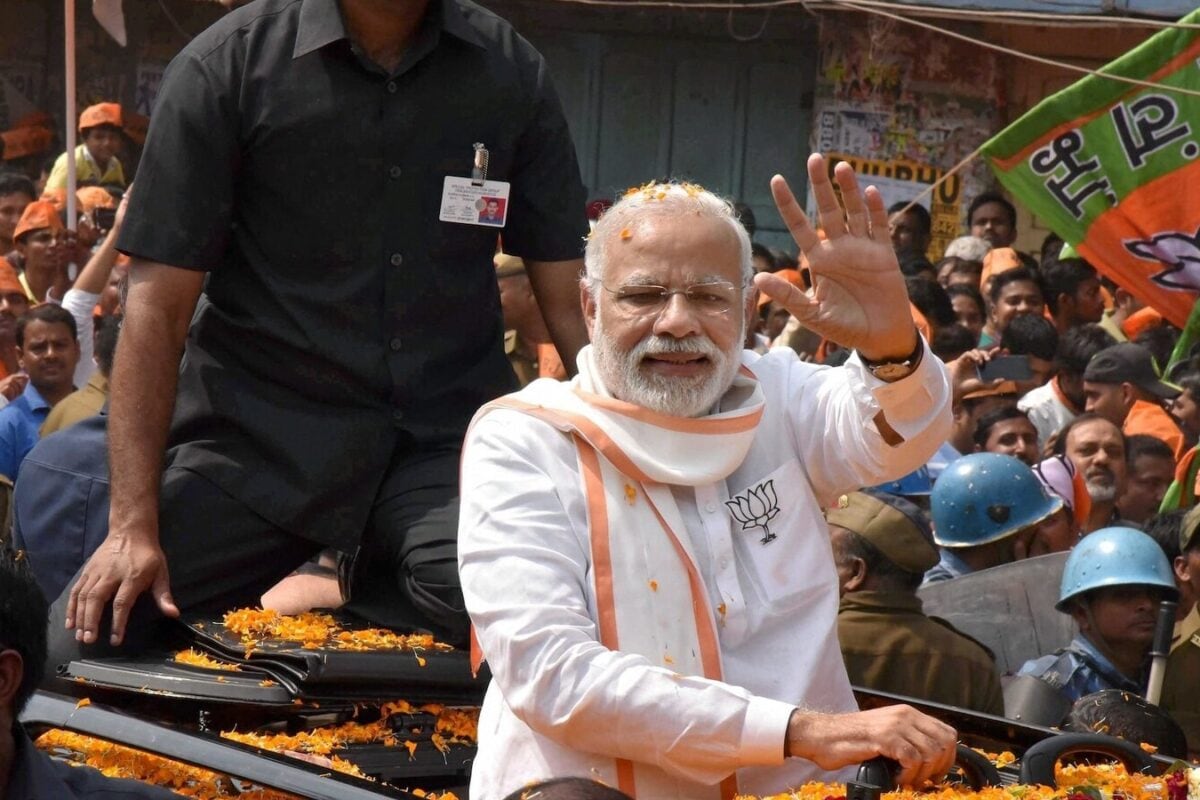
Varanasi To Get Traffic Respite: Rs 3,184-Crore Ganga Corridor To Decongest PM Modi's Constituency Reported By, Last Updated: June 17, 2026, 19:18 IST This 20-km corridor now seeks to tie those gains together by creating a modern transport spine connecting highways, ring roads and the Ganga riverfront Rapid Read PM Narendra Modi at a road show in Varanasi. (PTI File) Varanasi welcomes millions of pilgrims and tourists every year, but traffic congestion is one of its biggest challenges. Now, a massive Rs 3,184-crore infrastructure project aims to change that reality and could emerge as one of the most consequential urban mobility upgrades undertaken in the Prime Minister’s parliamentary constituency. The Centre has started work on the development of a 20-km Link and Connector Corridor connecting NH-19 with the Varanasi Ring Road, while also creating connectivity along the banks of the River Ganga. NHAI has invited bids for the project. The objective is straightforward: take pressure off Varanasi’s crowded roads and create a faster, smoother and more efficient transport network around the city.
The impact could be transformative. This will be a bypass-cum-riverfront corridor that will allow vehicles travelling on NH-19 to connect directly to the Varanasi Ring Road and Ganga-side areas without entering the narrow, congested streets of Varanasi, thereby easing traffic and improving access to the city’s riverfront. Today, traffic moving between NH-19 and different parts of Varanasi often gets funnelled through busy urban stretches, adding to congestion in a city already grappling with rising vehicle numbers and heavy tourist inflow. Once completed, the new corridor will provide a direct alternative route, allowing through-traffic and freight vehicles to bypass the city’s crowded core. For residents, that could mean shorter travel times, less traffic snarls and a significant reduction in the daily gridlock that affects movement across the city. For commercial transporters, the project promises faster logistics and lower transportation costs. For pilgrims and tourists, easier access to Varanasi’s riverfront and cultural landmarks could substantially improve the travel experience.
The project’s strategic importance extends beyond traffic management. By integrating riverbank connectivity along the Ganga, it is expected to strengthen access to key religious and tourism destinations, support future riverfront development and unlock economic activity along the corridor. Improved connectivity often translates into higher land values, new commercial opportunities and fresh investments in surrounding areas. Officials believe the project will also deliver environmental benefits. Reduced congestion means fewer vehicles idling on city roads, lower fuel consumption and a corresponding decline in vehicular emissions. Emergency services, too, are expected to benefit from faster movement across the city. In many ways, the corridor represents the next phase of Varanasi’s infrastructure transformation. Over the past decade, the city has witnessed major investments in roads, ghats, tourism facilities and urban redevelopment. This 20-km corridor now seeks to tie those gains together by creating a modern transport spine connecting highways, ring roads and the Ganga riverfront.
News18 Newsletter Handpicked stories, in your inbox A newsletter with the best of our journalism submit About the Author Aman Sharma Aman Sharma, Executive Editor - Affairs at CNN-News18, and Bureau Chief at News18 in Delhi, has over two decades of experience in covering the wide spectrum of politics and the Prime Minister... Read More First Published: June 17, 2026, 19:06 IST News india Varanasi To Get Traffic Respite: Rs 3,184-Crore Ganga Corridor To Decongest PM Modi's Constituency Disclaimer: Comments reflect users’ views, not News18’s. Please keep discussions respectful and constructive. Abusive, defamatory, or illegal comments will be removed. News18 may disable any comment at its discretion. By posting, you agree to our Terms of Use and Privacy Policy Loading comments...
 The BriefWire