Iran's hardliners fear being sidelined in US deal
As an Iran-US memorandum aimed at ending the war moves closer to formal signature, hardline supporters of the Islamic Republic fear losing influence as Iran's
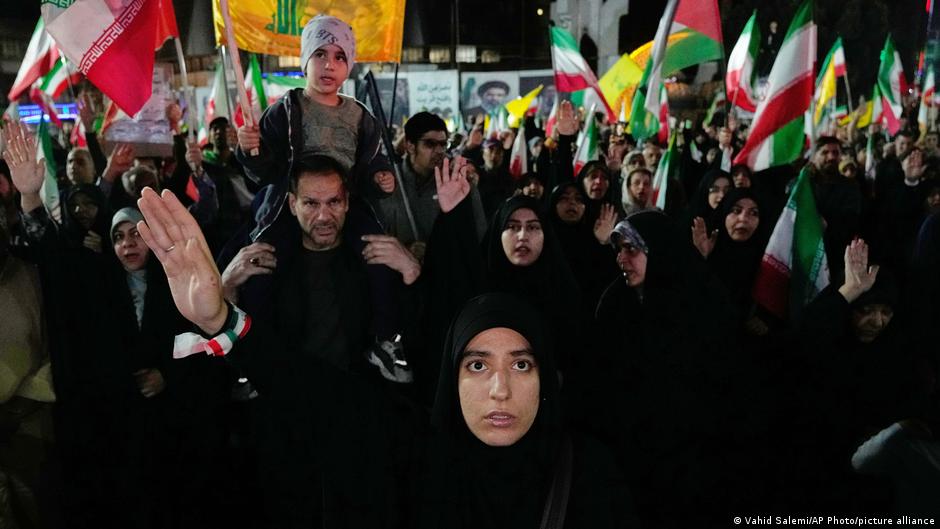
As an Iran-US memorandum aimed at ending the war moves closer to formal signature, hardline supporters of the Islamic Republic fear losing influence as Iran's politics shift from maximalist defiance to compromise. In the run-up to the expected formal signing of the Iran-US memorandum of understanding (MoU) on Friday, Iran's political atmosphere has grown visibly more tense. Hardline factions that stayed relatively muted during much of the war are now mounting a loud campaign against the leaked terms of the agreement, which has not been fully made public, accusing the negotiating team of retreat and betrayal. The backlash is no longer confined to speeches and headlines. It has spilled into the streets, where groups of regime supporters have staged protest rallies. Hardliners are calling for negotiations with the US to be stopped over fears the deal will reshape both Iran's foreign policy and its internal balance of power. There were reports that dozens protested outside a Foreign Ministry office in the city of Mashhad, with similar hardline anger seen in Tehran as well. According to videos and images circulated by domestic outlets and other published accounts, demonstrators in Tehran's Ibn Sina Square shouted slogans calling for the resignation of Foreign Minister Abbas Araqchi and parliament speaker Mohammad Bagher Ghalibaf, who are seen as the principal negotiators with the US. Some of the protesters reportedly even shouted slogans calling for violence against Araqchi and Ghalibaf.
Political opposition in Iran to talks with US The street protests have been reinforced by criticism from hardline figures in Iran's Parliament. Mahmoud Nabavian, deputy head of parliament's Security Committee and a figure close to the Paydari Front, a small, ultra-conservative party, has publicly attacked several parts of the MoU. US, Iran announce initial 'peace deal' To view this video please enable JavaScript, and consider upgrading to a web browser that supports HTML5 video Nabavian has reportedly objected to what he described as the lack of meaningful Iranian control over the Strait of Hormuz and the vagueness of any commitment on a US military withdrawal from the region. That criticism fits a broader pattern visible in recent media coverage that hardliners see the MoU as leaving too much unresolved, while giving away leverage and turning a wartime narrative of defiance into a peacetime narrative of compromise. Why the hardliners feel threatened Babak Dorbeiki, a London-based political analyst and former official at Iran's Strategic Research Center, told DW that the backlash is about far more than disagreement over diplomatic wording. As he put it, "For the Paydari camp, this is no longer a tactical issue. It has become an existential one." Dorbeiki argues that the political atmosphere of negotiation does not benefit hardliners, who thrive off of confrontation. The war with the US has rallied many Iranians around the regime Image: Majid Asgaripour/WANA/REUTERS If the regime's legitimacy starts shifting away from ideological confrontation and toward state pragmatism, economic management and diplomacy, then the political currents built around permanent mobilization and securitization risk losing their relevance.
If Iran opens up more during negotiaions with the US, this could strengthen pragmatists, diplomats and technocrats inside the system, while weakening those whose politics depend on slogans, pressure and a permanently closed political atmosphere. What impact will hardliners have on talks? Analyst Dorbeiki does not dismiss the hardliners' ability to cause trouble. He notes that they still have media platforms, parliamentary allies, networks inside state institutions and influence in parts of the Basij and other ideological structures. However, he believes their power has limits. While they can complicate implementation of the deal, raise the political cost and create noise around every compromise, they are probably not strong enough to blow up the process altogether. More likely, in his reading, they will eventually adapt by claiming that any progress after US talks is the result of years of "resistance," or conversely, be able to blame eventual policy failures on the agreement and the officials who backed it. Hidden executions surge in Iran during US-Israeli war To view this video please enable JavaScript, and consider upgrading to a web browser that supports HTML5 video Hardliners are only one part of the regime Reza Alijani, a Paris-based political analyst, told DW that the hardliners should not be mistaken for the whole regime. "Hardliners are a minority even within the minority that rules over the majority of society," he said. Alijani argues that they do not have decisive leverage at the top, even if they can still generate pressure from below.
In his view, the real divide inside the Islamic Republic is now between those moving gradually from ideology toward state interest, and those still committed to maximalist slogans and wartime rhetoric. The analyst said he expects Iran's authorities to let hardliners shout and stage limited rallies, and then contain them once the leadership's preferred line is set. If the agreement moves forward as expected into talks on Iran's nuclear program, it may signal a further shift from ideological rigidity toward selective pragmatism. That does not mean the regime is becoming moderate. But it does mean some of its most uncompromising factions may find themselves increasingly sidelined. Alijani believes that with this in mind, the protests are an attempt by hardliners to show they still matter, that they can still bring people into the street and that any move toward accommodation with Washington will come at a domestic political cost. Initial US-Iran deal 'should not be overestimated' To view this video please enable JavaScript, and consider upgrading to a web browser that supports HTML5 video Edited by: Wesley Rahn
 The BriefWire