Drop theatrics, strike mafia: Rahul Gandhi slams Telegram ban before NEET re-test
Congress leader Rahul Gandhi on Wednesday launched a sharp attack on the government asking it to "drop the theatrics and strike at the mafia" over
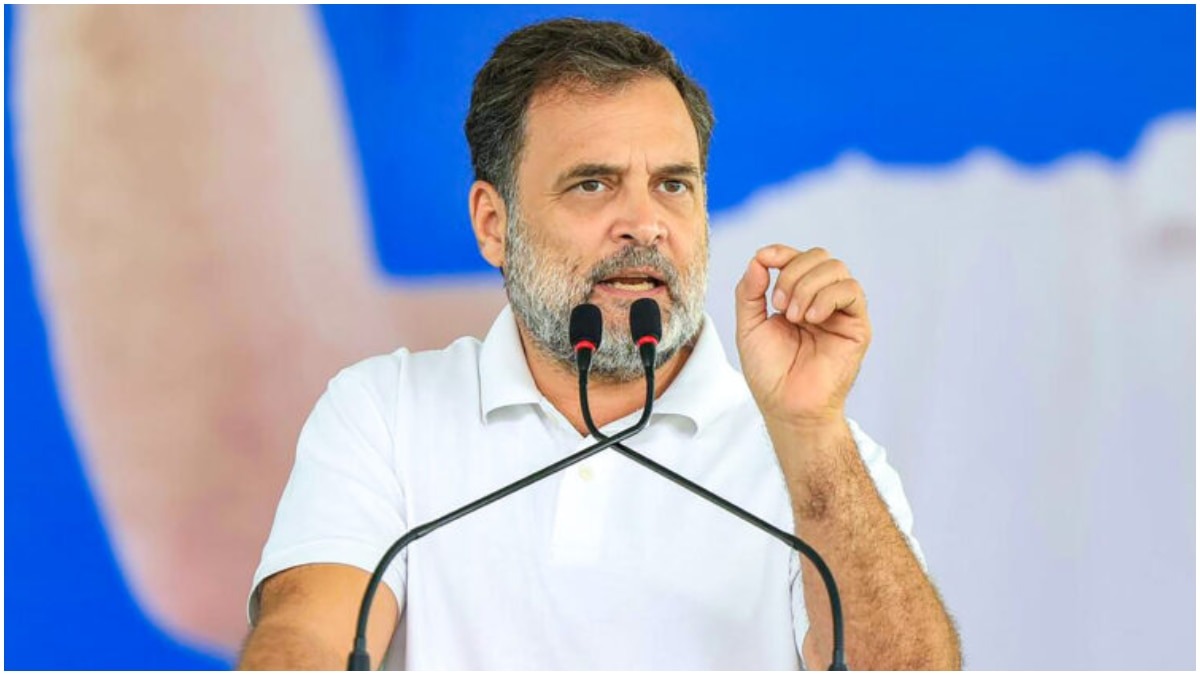
Congress leader Rahul Gandhi on Wednesday launched a sharp attack on the government asking it to "drop the theatrics and strike at the mafia" over its decision to temporarily restrict access to Telegram ahead of the NEET-UG 2026 re-examination on June 21. He accused the government of targeting students instead of acting against the networks responsible for examination paper leaks. The Leader of Opposition in the Lok Sabha described the move as misplaced and ineffective, arguing that shutting down a platform widely used by students would not address the deeper problem of organised exam fraud. Read Full Story In a post on X, Gandhi said, "'Telegram Ban' — Modi Government's New Trick to Stop Paper Leaks," adding that the move amounted to "instead of catching the thief, just hang a lock on the victim’s door". Questioning the rationale behind the restriction, the Congress MP said millions of students had relied on Telegram for years for notes, test series, discussions and exam preparation.
He argued that taking away that access could not be presented as a solution to paper leaks and warned that the measure was unlikely to stop organised cheating networks. "And it’s not even foolproof — every student in the country knows this, and so does the paper leak mafia. So, who will the next ban be on? WhatsApp?" he wrote. Escalating his criticism, he accused the government of focusing on visible security measures while avoiding action against the source of the problem. Referring to stricter examination protocols, Rahul said students would be frisked, "pockets will be cut open with scissors" and question papers would be "sent via the Air Force", but alleged that there would be "not a single strike at the root of the disease". "Modi Ji — drop the theatrics. Strike at the mafia, not the students," he said, adding that the government should listen to the "Echo of Students" or risk growing anger among the youth.
KARTI CHIDAMBARAM’S ATTACK Congress MP Karti P Chidambaram also criticised the move and questioned whether blocking Telegram had become the government’s "masterstroke" to stop paper leaks. Telegram responded publicly to his remarks, comparing the restriction to shutting shopping malls because a theft might occur in one of them and later defended its moderation efforts by saying misuse can happen on any platform despite enforcement. Telegram founder and CEO Pavel Durov separately criticised the government’s action, arguing that the temporary restriction punished more than 150 million ordinary users in India rather than those responsible for leaking or circulating examination material. Durov said Telegram had removed hundreds of channels linked to examination scams in recent weeks and had made changes to make edited messages more visible to users. TELEGRAM MOVES HIGH COURT The company has since moved the Delhi High Court challenging the government’s decision. The matter was mentioned before Justice Tejas Karia, who agreed to hear the plea on Wednesday.
The Centre imposed the temporary restriction until June 22 following recommendations from the Testing Agency (NTA), ahead of the June 21 NEET-UG re-test. The NTA has maintained that the decision was not triggered by a fresh paper leak but by the spread of fake claims and scams targeting students and parents through Telegram channels. The re-examination was ordered after the original NEET-UG held on May 3 was cancelled following allegations of large-scale irregularities and paper leaks. As the controversy expands beyond exam security, the debate has shifted to whether platform-level restrictions can effectively tackle organised examination fraud without disrupting legitimate users. Ends With PTI inputs
 The BriefWire