Will gold prices find support in near-term? Check outlook for today
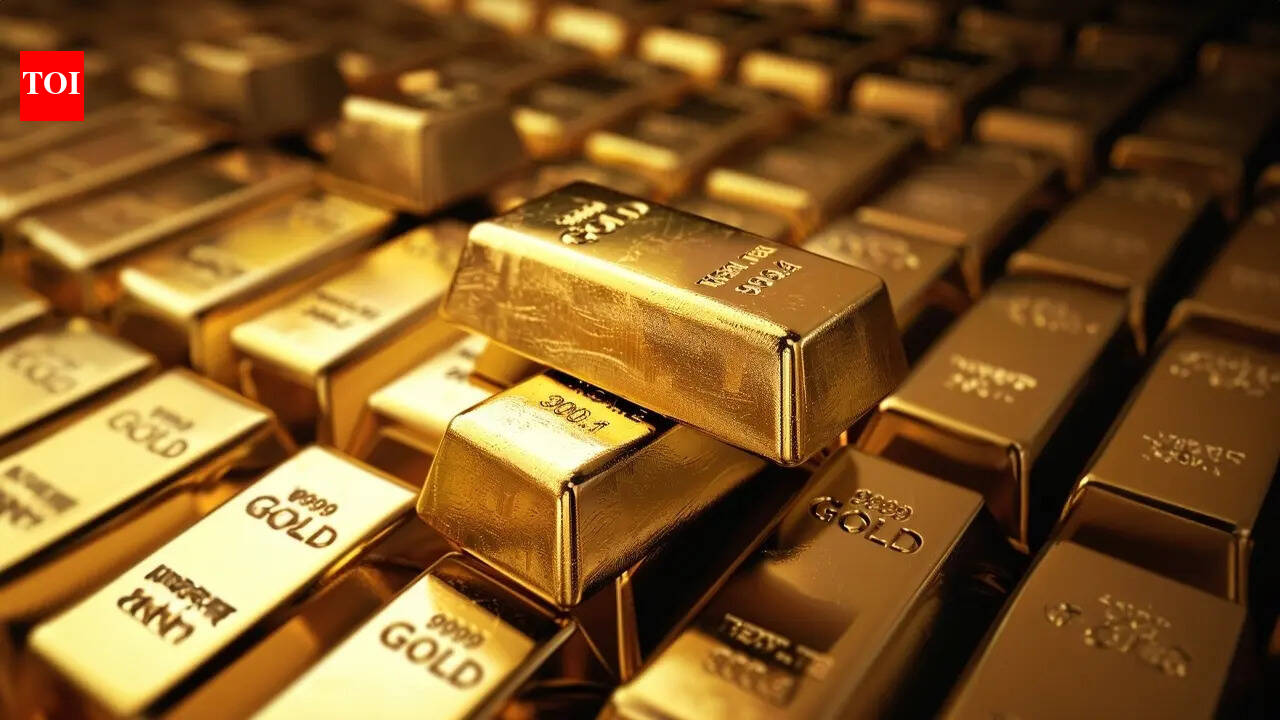
Despite the improvement in sentiment, gold remains highly sensitive to incoming macro data and policy expectations. (AI image) Gold price prediction today Gold prices are
Despite the improvement in sentiment, gold remains highly sensitive to incoming macro data and policy expectations. (AI image) Gold price prediction today Gold prices are holding strongly and buying from central banks is likely to continue supporting the yellow metal, says Vedika Narvekar, Research Analyst - Commodities & Currencies, Anand Rathi Shares and Stock Brokers. Focus for the week Technical Levels & Near-Term Outlook Gold (Spot) CMP: $4,320/oz Support: $4,150 / $4,020 Resistance: $4,390 / $4,620 MCX Gold CMP: ₹1,52,470 Support: ₹1,46,200/ ₹1,41,700 Resistance: ₹1,54,700 / ₹1,62,800 International Silver CMP: $70/oz Support: $64 / $61 Resistance: $72.50/ $76.50 MCX Silver CMP: ₹2,49,340 Support: ₹2,27,800/ ₹2,17,000 Resistance: ₹2,56,250 / ₹2,72,800 (Disclaimer: Recommendations and views on the stock market, other asset classes or personal finance management tips given by experts are their own. These opinions do not represent the views of The Times of India.) Gold found its footing again and the reason was not difficult to spot. The interim US-Iran peace agreement shifted the narrative from war to economics almost overnight.
Gold rebounded strongly last week after recovering from the sharp correction seen earlier in the month, as markets reassessed the implications of the interim US-Iran peace agreement and the reopening of the Strait of Hormuz.The easing of geopolitical tensions triggered a decline in crude oil prices and inflation expectations, which in turn reduced fears of additional Federal Reserve tightening. Lower Treasury yields and a softer US dollar provided further support to bullion, allowing spot gold to recover above the $4,300/oz mark after briefly testing the key $4,000/oz support zone.Despite the improvement in sentiment, gold remains highly sensitive to incoming macro data and policy expectations. The market narrative has shifted from geopolitics to inflation and interest rates, with investors closely watching whether lower energy prices translate into softer inflation readings.At the same time, strong central bank purchases continue to provide a structural tailwind for prices, although recent data suggests sovereign buying becomes more price-sensitive at elevated levels. This combination of easing geopolitical risks and resilient long-term demand is likely to keep volatility elevated in the near term.The spotlight this week will be on the June 16-17 Federal Reserve meeting and, more importantly, the updated economic projections and policy guidance.
Investors will also monitor US inflation data and developments surrounding the formal signing of the US-Iran agreement in Switzerland.Any indication that inflation is moderating and the Fed is moving closer to rate cuts could further support gold, while a hawkish tone from policymakers or a resurgence in inflation expectations may cap gains and trigger renewed profit-taking.While lower oil prices and the reopening of the Strait of Hormuz have eased immediate inflation concerns, the lagged impact of earlier energy disruptions and sticky core inflation suggest the Fed is likely to remain cautious rather than aggressively dovish.This should keep real interest rates range-bound and limit downside pressure on gold. In addition, sovereign buying continues to provide a strong demand floor as central banks diversify reserves away from the US dollar, although purchases may moderate temporarily at record-high prices.Overall, as long as inflation remains contained and growth momentum softens gradually, gold is expected to remain well supported, with any corrections likely to attract strategic buying rather than signal a reversal of the broader bullish trend.For Silver too, the recent wild moves from $75 to $61.50 and back to $70 was largely driven more by macro-economic fears and market sentiment than by any deterioration in physical supply-demand fundamentals.
At the same time, inventories in exchange vaults increased because silver was delivered to settle futures contracts, not because miners suddenly produced too much metal.With the US-Iran peace framework easing energy-market fears and markets scaling back expectations of further rate hikes, silver has already recovered sharply. The bigger picture for silver remains largely unchanged. Global demand continues to exceed supply, and 2026 is expected to mark the sixth consecutive year of a supply deficit. If investor sentiment continues to improve, the temporary easing in the physical market could reverse and tighten again, providing renewed support for prices.
 The BriefWire