How A US-Based NGO Used Academic Sponsorships To Train And Embed Local Recruits In India
How A US-Based NGO Used Academic Sponsorships To Train And Embed Local Recruits In India Reported By, Last Updated: June 17, 2026, 11:52 IST The
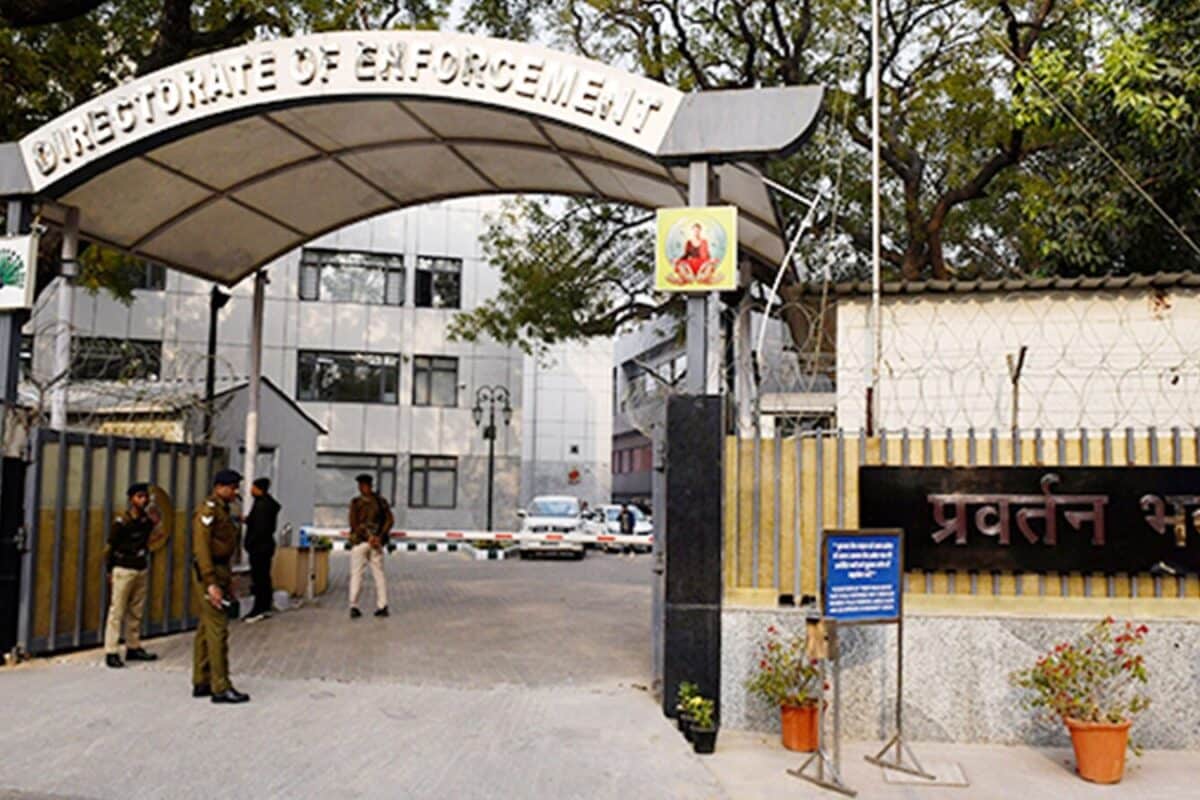
How A US-Based NGO Used Academic Sponsorships To Train And Embed Local Recruits In India Reported By, Last Updated: June 17, 2026, 11:52 IST The ED is probing whether The Timothy Initiative, a US-based NGO, used academic sponsorships to identify, train and embed locally rooted recruits for long-term operations in India. Rapid Read Top ED sources said the sponsorship model appeared to focus on individuals with roots in regions such as Gujarat and other parts of northern India. (ANI) A major Enforcement Directorate investigation into an alleged cross-border foreign-funding network has now turned its attention to academic sponsorships that officials suspect were used to identify, train and cultivate individuals for deployment in sensitive parts of India. According to documents and investigation details accessed exclusively by CNN-News18, the probe centres on US-based organisation The Timothy Initiative, or TTI, and an alleged network of India-based operatives and foreign principals accused of moving overseas funds into India while bypassing prescribed banking and regulatory channels. As part of the investigation, CNN-News18 has accessed a proposal signed by Praveen Christopher, identified in the document as Director-Advancement, seeking complete financial support for an applicant named Ashaf Parmar. The document indicates that formal academic channels were used to seek funding for selected candidates. The South Asia Institute of Advanced Christian Studies, or SAIACS, in Bengaluru is among the institutions referred to in the sponsorship documentation. The financial assistance was sought for advanced theological education, including a Master of Divinity degree. Top ED sources said the sponsorship model appeared to focus on individuals with roots in regions such as Gujarat and other parts of northern India. Investigators suspect the objective was to develop a locally rooted and highly trained leadership tier with knowledge of regional languages, customs and social structures.
The documents also record the candidate’s personal and educational history, tracing his journey from a rural or vulnerable background to higher education. According to investigators, such detailed profiling could have helped the organisation identify candidates capable of returning to their native regions and building long-term local networks. Link To Alleged Foreign Debit Card Network The educational sponsorships are being examined as part of a wider investigation into an alleged illicit financial system operated by TTI’s India-based functionaries, including Operations Head Jonathan S Rajan and Finance Head Ajit Verghese Mathai. The ED alleges that the organisation used a large number of foreign debit cards to channel and withdraw funds in India without routing the money through conventional banking and regulatory mechanisms. Investigators claim debit cards issued by Truist Bank in the United States were distributed in India to people who were not the actual account holders. More than 1,000 such cards are alleged to have been circulated across the country since 2019. According to the agency’s findings, foreign funds worth approximately Rs 92.55 crore, or USD 9.99 million, were utilised through the mechanism between November 2025 and April 2026. Separately, ATM withdrawals made through the alleged network between January 2024 and March 2026 are estimated at nearly Rs 44 crore. ‘Santosh Kumar’ Cards And Alleged KYC Evasion A key element of the probe concerns what investigators describe as deliberate attempts to obscure the identities of those using the cards. Officials allege that, on Mathai’s instructions, at least 23 debit cards were printed under the generic Indian name “Santosh Kumar". This allegedly replaced an earlier system in which regional identification codes were used. The ED suspects that the change was intended to conceal the identities of the end users and evade Know Your Customer (KYC) safeguards and scrutiny by financial institutions.
The agency has described the arrangement as a “well-coordinated criminal conspiracy" aimed at facilitating the direct withdrawal of foreign-source funds from Indian ATMs while bypassing prescribed financial channels. The investigation gathered momentum after Micah Mark, identified by the agency as a key financial operative, was intercepted at Kempegowda International Airport in Bengaluru. He was allegedly found carrying 24 Truist Bank debit cards. Subsequent searches at Mathai’s premises reportedly resulted in the recovery of Rs 37 lakh in cash, largely in Rs 500 notes, as well as a corporate debit card bearing the name “Ajit Mathai – The Timothy Initiative". Why Academic Sponsorships Are Under Scrutiny Top ED sources said that financing advanced degrees for people belonging to specific regions could enable an organisation to create an educated, indigenous leadership structure. Unlike outsiders or temporary field workers, locally recruited graduates would have the language skills, cultural familiarity and community connections needed to operate without immediately attracting suspicion, sources alleged. Investigators are examining whether graduates were expected to return to their home regions and establish permanent preaching, recruitment and training networks. According to sources, such individuals could become trainers themselves, allowing the network to expand through a decentralised and self-sustaining structure rather than relying continuously on personnel from outside the region. Officials also allege that the organisation’s outreach focused on socio-economically vulnerable and marginalised communities through structured preaching and ideological training programmes. The ED is probing claims that sections of this outreach may have been used for radicalisation and to push individuals towards left-wing extremist ideologies. The agency is particularly examining transactions in Chhattisgarh, where approximately Rs 6.34 crore in alleged high-frequency ATM withdrawals have been flagged in the Bastar and Dhamtari regions.
Bastar has historically been affected by Left-Wing Extremist violence, prompting investigators to examine whether the flow of foreign funds, local recruitment and ideological outreach were interconnected. Sources said the alleged use of academic sponsorships also made the network more difficult to detect, as the recruitment and training of personnel could be presented as legitimate educational assistance. By decentralising its personnel network and cultivating graduates with deep local roots, the organisation could allegedly create a permanent operational structure that was harder for intelligence and enforcement agencies to trace. The investigation remains ongoing. CNN-News18 has not independently established that the educational institutions or all the individuals named in the documents knowingly participated in any illegal activity. Their responses will be incorporated when received. News18 Newsletter Handpicked stories, in your inbox A newsletter with the best of our journalism submit About the Author Manoj Gupta Group Editor, Investigations & Security Affairs, Network18 First Published: June 17, 2026, 11:52 IST News india How A US-Based NGO Used Academic Sponsorships To Train And Embed Local Recruits In India Disclaimer: Comments reflect users’ views, not News18’s. Please keep discussions respectful and constructive. Abusive, defamatory, or illegal comments will be removed. News18 may disable any comment at its discretion. By posting, you agree to our Terms of Use and Privacy Policy Loading comments...
 The BriefWire