For PM Modi And Trump, G7 Offers A Chance To Turn The Page After Months Of Friction
For PM Modi And Trump, G7 Offers A Chance To Turn The Page After Months Of Friction Written By, Last Updated: June 17, 2026, 08:36
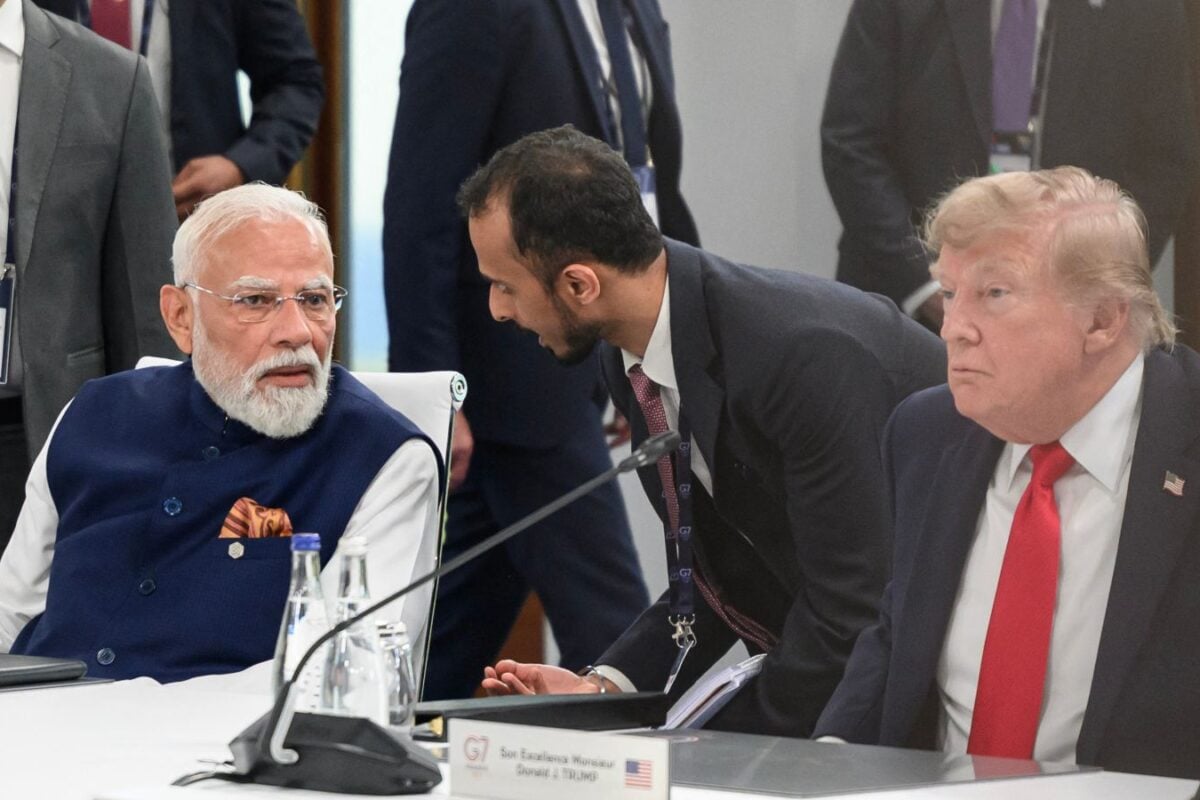
For PM Modi And Trump, G7 Offers A Chance To Turn The Page After Months Of Friction Written By, Last Updated: June 17, 2026, 08:36 IST After 16 months of friction, both leaders appear to have concluded that the costs of disengagement are higher than the discomfort of direct engagement Rapid Read The trademark Modi-Trump hug was absent and what remained was a relationship under strain but one that neither side appears willing to abandon. (AFP) When Prime Minister Narendra Modi and Donald Trump met at the G7 Summit in France on Tuesday, it was more than a routine diplomatic greeting. The brief handshake marked the first face-to-face meeting between the two leaders in 16 months and came after perhaps the most turbulent period in India-US relations since Trump’s return to the White House. The trademark Modi-Trump hug was absent. What remained was a relationship under strain but one that neither side appears willing to abandon. Behind the optics lies a growing list of disputes: tariffs, trade negotiations, immigration rules affecting Indian students and workers, Trump’s repeated claims that he helped broker a ceasefire between India and Pakistan, India’s continued energy ties with Russia, and most recently, outrage in India following the deaths of three Indian sailors in a US military strike near Oman. ALSO READ | Trump Grabs PM Modi’s Wrist While Climbing Stair At G7 Summit | Video The two leaders are scheduled to hold bilateral talks on Wednesday on the sidelines of the summit and here’s why the meeting will be crucial. Why PM Modi Wants The Meeting For India, the meeting offers an opportunity to stabilise a relationship that remains critical despite recent disagreements.
The immediate priority is trade. Negotiators from both countries have spent months trying to conclude a bilateral trade agreement, while Trump’s tariff policies continue to create uncertainty for Indian exporters. New Delhi hopes direct political engagement can help prevent trade disputes from escalating further. Commerce Secretary Rajesh Agrawal has confirmed that US Trade Representative Jamieson Greer will visit New Delhi on June 22 and hold two days of talks with Commerce and Industry Minister Piyush Goyal on June 23-24 to advance the India-US interim trade agreement. ALSO READ | A Message Without Naming Names: Decoding PM Modi’s ‘Safety Of Seafarers’ Remarks At G7 Agrawal said discussions were expected to focus on “giving final touches to the framework deal" negotiated during recent delegation-level talks, and on the broader bilateral trade agreement (BTA) under discussion between both sides. Energy security is another major concern. The G7 summit is taking place amid a hard-bargained peace deal between Iran and United States in West Asia. While it has come as good news for the world, the uncertainty over global oil supplies is expected to linger on. India remains heavily dependent on imported energy, making developments involving Iran, the Strait of Hormuz and broader regional stability particularly important. Several reports suggest energy security featured prominently in the run-up to the meeting. The Modi government also wants clarity on visa policies and immigration rules that affect hundreds of thousands of Indian professionals and students in the United States. Changes introduced by the Trump administration have become a growing concern in New Delhi. Though a US federal judge has struck down Trump’s controversial $100,000 fee on new H-1B visas, calling it unlawful and ordering that it be invalidated, the administration has said it plans to appeal the decision, which means the legal battle is not over yet.
Perhaps most importantly, India has little interest in allowing personal chemistry between the two leaders to be replaced by strategic mistrust. For more than a decade, Washington has been one of India’s most important economic and security partners. Maintaining that relationship remains a priority even when disagreements emerge. Why Trump Needs Modi Too The meeting is not a one-sided exercise. India remains one of the world’s fastest-growing major economies and an increasingly important strategic player in the Indo-Pacific. For the Trump administration, closer ties with India help support broader efforts to counter China’s influence across Asia while preserving American access to one of the world’s largest markets. Trade also cuts both ways. While Trump has frequently criticised India’s tariffs and market barriers, American companies continue to view India as a major growth destination. Progress on a trade agreement would provide a tangible foreign-policy win for both governments. India’s geopolitical importance has also grown as Washington seeks reliable partners amid conflicts stretching from Eastern Europe to West Asia. The Shadow Hanging Over The Meeting The meeting comes with unusual political baggage. Opposition parties in India have questioned the timing of PM Modi’s engagement with Trump following the deaths of three Indian sailors in a US strike. Trump’s repeated assertions that he played a role in ending the India-Pakistan conflict of 2025 have also irritated New Delhi, which has consistently maintained that no external mediation was involved. Meanwhile, tariff disputes and disagreements over Russian oil purchases continue to complicate the relationship. More Than A Photo Opportunity The significance of the Modi-Trump meeting lies not in the handshake itself, but in the fact that it happened at all.
After 16 months of friction, both leaders appear to have concluded that the costs of disengagement are higher than the discomfort of direct engagement. The personal warmth that once defined the relationship may have cooled. But for both Washington and New Delhi, the strategic incentives to keep talking remain as strong as ever. News18 Newsletter Handpicked stories, in your inbox A newsletter with the best of our journalism submit About the Author Apoorva Misra Apoorva Misra is News Editor at News18.com with over nine years of experience. She is a graduate from Delhi University's Lady Shri Ram College and holds a PG Diploma from Asian College of Journalism,... Read More First Published: June 17, 2026, 08:36 IST News explainers For PM Modi And Trump, G7 Offers A Chance To Turn The Page After Months Of Friction Disclaimer: Comments reflect users’ views, not News18’s. Please keep discussions respectful and constructive. Abusive, defamatory, or illegal comments will be removed. News18 may disable any comment at its discretion. By posting, you agree to our Terms of Use and Privacy Policy Loading comments...
 The BriefWire