‘No Nukes, Open Hormuz, Economic Benefits’: Vance Outlines Key Terms Of US-Iran Deal, But Conditions Applied
‘No Nukes, Open Hormuz, Economic Benefits’: Vance Outlines Key Terms Of US-Iran Deal, But Conditions Applied Published By, Last Updated: June 17, 2026, 07:15 IST
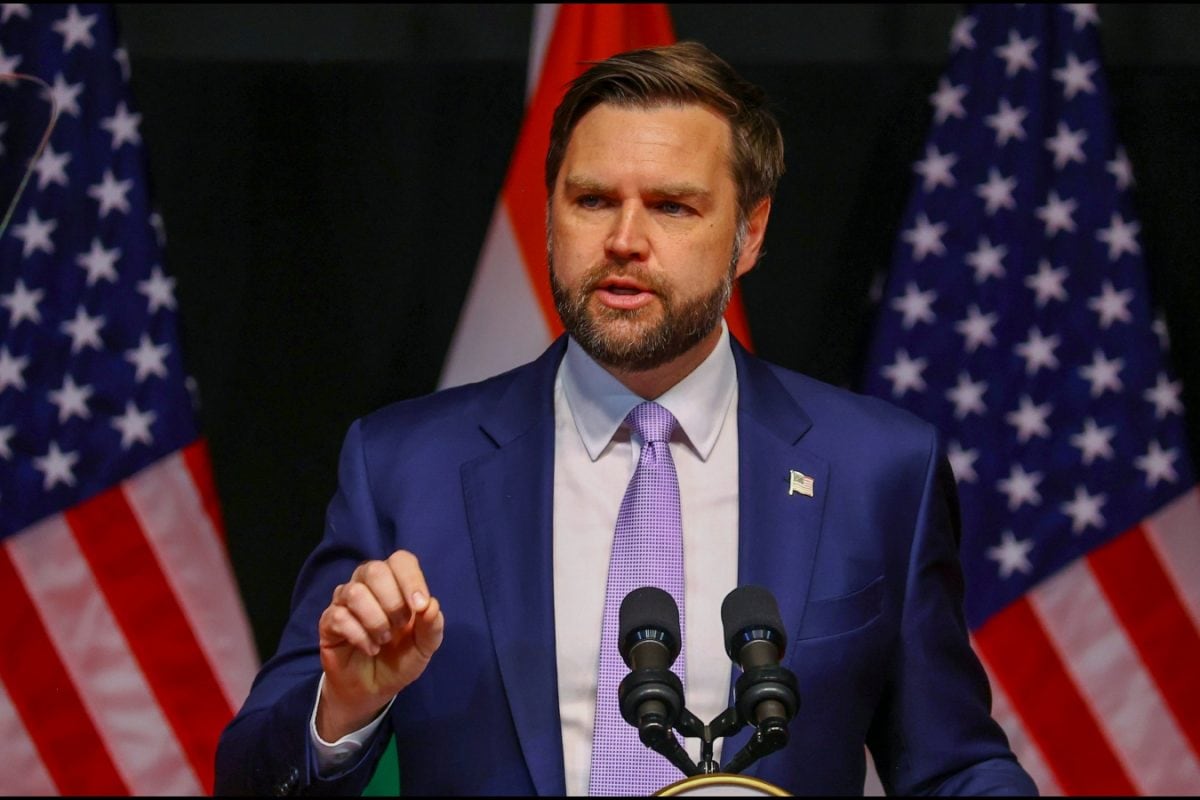
‘No Nukes, Open Hormuz, Economic Benefits’: Vance Outlines Key Terms Of US-Iran Deal, But Conditions Applied Published By, Last Updated: June 17, 2026, 07:15 IST A proposed $300 billion investment vehicle is emerging as one of the most significant features of the Trump administration's peace framework with Iran. File photo of US Vice President JD Vance (PTI) Amid the confusions over the Iran war deal terms and conditions, US Vice President JD Vance on Tuesday outlined the main elements of the preliminary agreement reached between Washington and Tehran to end the three-month-long conflict in West Asia. The United States and Iran signed the initial deal on Sunday, setting the stage for further negotiations aimed at securing a broader peace agreement. Speaking about the arrangement, Vance said the framework was built around three core principles. Vance Details Deal Framework Explaining the agreement, Vance said Iran would not be allowed to develop a nuclear weapon under the proposed arrangement. “The Iran deal: It says, one, Iran can’t have a nuclear weapon, two, the Straits of Hormuz are open, and number three, there are all of these benefits contemplated that the Iranians can get if they behave," he said speaking to Fox News.
“If they don’t [behave], they don’t get anything," Vance added. The agreement was announced after months of conflict and diplomatic efforts aimed at ending hostilities and restoring stability in the region. The reopening of the Strait of Hormuz is seen as a significant element of the framework, given the waterway’s importance to global energy supplies and international shipping. $300 Billion Fund To Iran At the same time, a proposed $300 billion investment vehicle is emerging as one of the most significant features of the Trump administration’s peace framework with Iran. If eventually approved, the initiative could open the door to the first major US-linked investment in Iran since the 1979 Islamic Revolution. According to a Reuters report, the fund is currently being discussed as part of the broader US-Iran agreement that is expected to be signed later this week. The report said that more than half of the proposed financing has already been committed by private-sector investors, citing a source familiar with the negotiations. However, the investment fund remains dependent on a final agreement between the two countries and has not yet been formally established.
What Is the Proposed Fund? The proposed mechanism, tentatively named the Reconstruction and Development Fund, would mobilise up to $300 billion in private investment for projects across Iran. Unlike a conventional aid package, the fund would not involve direct payments, grants or compensation from the US government. Instead, it is designed as an investment platform intended to encourage economic activity and support development projects within Iran. The initiative is also meant to create economic incentives for both Washington and Tehran to complete a comprehensive peace agreement following months of military confrontation and negotiations. Final Agreement Still Pending While the preliminary deal has been signed, several major elements remain subject to further talks. The proposed investment fund is among the measures being considered as negotiators work towards a final settlement. For now, the framework sets out broad commitments, including restrictions on Iran’s nuclear ambitions, the reopening of the Strait of Hormuz and the possibility of significant economic benefits if a final agreement is reached and implemented. News18 Newsletter Handpicked stories, in your inbox A newsletter with the best of our journalism submit About the Author Shuddhanta Patra Shuddhanta Patra, a seasoned journalist with eight years of experience, serves as Senior Sub‑Editor at CNN News 18.
With expertise across national politics, geopolitics, business news, she has influen... Read More Location: Washington D.C., United States of America (USA) First Published: June 17, 2026, 07:15 IST News world ‘No Nukes, Open Hormuz, Economic Benefits’: Vance Outlines Key Terms Of US-Iran Deal, But Conditions Applied Disclaimer: Comments reflect users’ views, not News18’s. Please keep discussions respectful and constructive. Abusive, defamatory, or illegal comments will be removed. News18 may disable any comment at its discretion. By posting, you agree to our Terms of Use and Privacy Policy Loading comments...
 The BriefWire