The Domino Effect: Why Another Split In Uddhav's Shiv Sena Could Hurt More In Delhi Than Maharashtra
The Domino Effect: Why Another Split In Uddhav's Shiv Sena Could Hurt More In Delhi Than Maharashtra Published By, Last Updated: June 17, 2026, 07:19
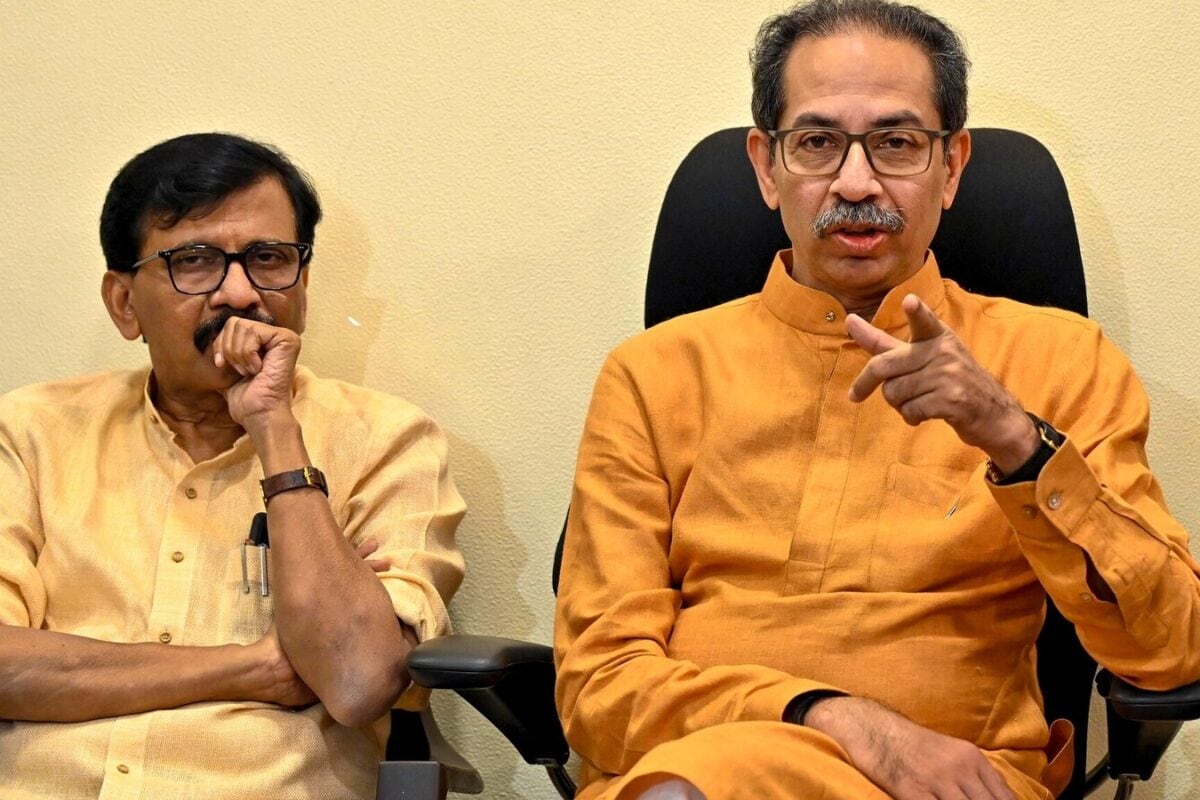
The Domino Effect: Why Another Split In Uddhav's Shiv Sena Could Hurt More In Delhi Than Maharashtra Published By, Last Updated: June 17, 2026, 07:19 IST The development comes at a time when the opposition INDIA bloc is already grappling with a series of setbacks nationally. Rapid Read Shiv Sena (Uddhav Balasaheb Thackeray) chief Uddhav Thackeray with party leader Sanjay Raut. (PTI File) Four years after the rebellion that split the Shiv Sena and altered Maharashtra’s political landscape, Uddhav Thackeray finds himself confronting yet another familiar challenge. Reports of a fresh revolt within the Shiv Sena (UBT) have triggered intense political activity, with the focus this time shifting from Mumbai’s corridors of power to New Delhi. Speculation is rife that six to seven Lok Sabha MPs and as many as 14-16 MLAs could leave the Uddhav camp and align with the Eknath Shinde-led Shiv Sena in the coming days. While no formal split has taken place yet, the buzz has become strong enough for party leaders to convene emergency meetings and issue public denials. The development is significant not just because it could further weaken Uddhav Thackeray’s faction, but also because it comes at a time when the opposition INDIA bloc is already grappling with a series of setbacks nationally. Reminder Of The 2022 Earthquake In June 2022, Eknath Shinde led a rebellion against Uddhav Thackeray while serving as a senior Shiv Sena leader. The revolt eventually saw 40 of the Sena’s 55 MLAs back Shinde, triggering the collapse of the Maha Vikas Aghadi government headed by Uddhav Thackeray. The split did not remain confined to the Assembly. Over time, most of the party’s organisational structure, a large section of legislators and eventually the party name and the iconic bow-and-arrow symbol went to the Shinde faction after decisions by constitutional authorities. Uddhav Thackeray responded by rebuilding under the banner of Shiv Sena (Uddhav Balasaheb Thackeray), banking on the Thackeray legacy, cadre loyalty and sympathy generated by the split.
The 2024 Lok Sabha election offered some relief. The UBT emerged as one of the strongest opposition forces in Maharashtra and won nine Lok Sabha seats, becoming an important constituent of the INDIA bloc. But the current reports suggest that even this parliamentary strength could now come under pressure. Why MPs Matter More Than MLAs This Time Unlike 2022, the current battle is centred on Parliament rather than the Maharashtra Assembly. According to reports, at least six UBT MPs are considering approaching the Lok Sabha Speaker to seek recognition as a separate group. Some reports suggest seven MPs are in touch with the Shinde camp. Since Shiv Sena (UBT) currently has nine Lok Sabha MPs, any movement involving six or seven MPs would represent a substantial chunk of the party’s parliamentary strength, which currently stands at 9 MPs and could go down if the split happens. The numbers are politically important because parliamentary strength determines visibility at the national level. MPs get speaking time in Parliament, committee representation, influence within alliances and leverage in negotiations over future seat-sharing arrangements. That is why the current crisis is being watched as closely in Delhi as in Mumbai. The anti-defection law also looms large. Under existing provisions, at least two-thirds of MPs would have to move together to avoid disqualification proceedings. With nine UBT MPs in the Lok Sabha, that threshold effectively means seven MPs. This is one reason why the figure of “six or seven MPs" has repeatedly surfaced in political discussions. The Curious Case Of The Missing MPs The latest round of speculation began after reports emerged that several MPs were either unavailable or not immediately reachable when party chief Uddhav Thackeray sought to assess the situation. Conflicting accounts subsequently emerged. While some reports claimed only four MPs attended a key meeting physically, the party maintained that all nine MPs participated, either in person or virtually, and denied any rebellion.
 The BriefWire