$300 Billion For Iran, But Not 'Reparations': Trump Deal Could Mark Historic Shift In US Policy
$300 Billion For Iran, But Not 'Reparations': Trump Deal Could Mark Historic Shift In US Policy Published By, Last Updated: June 17, 2026, 04:38 IST
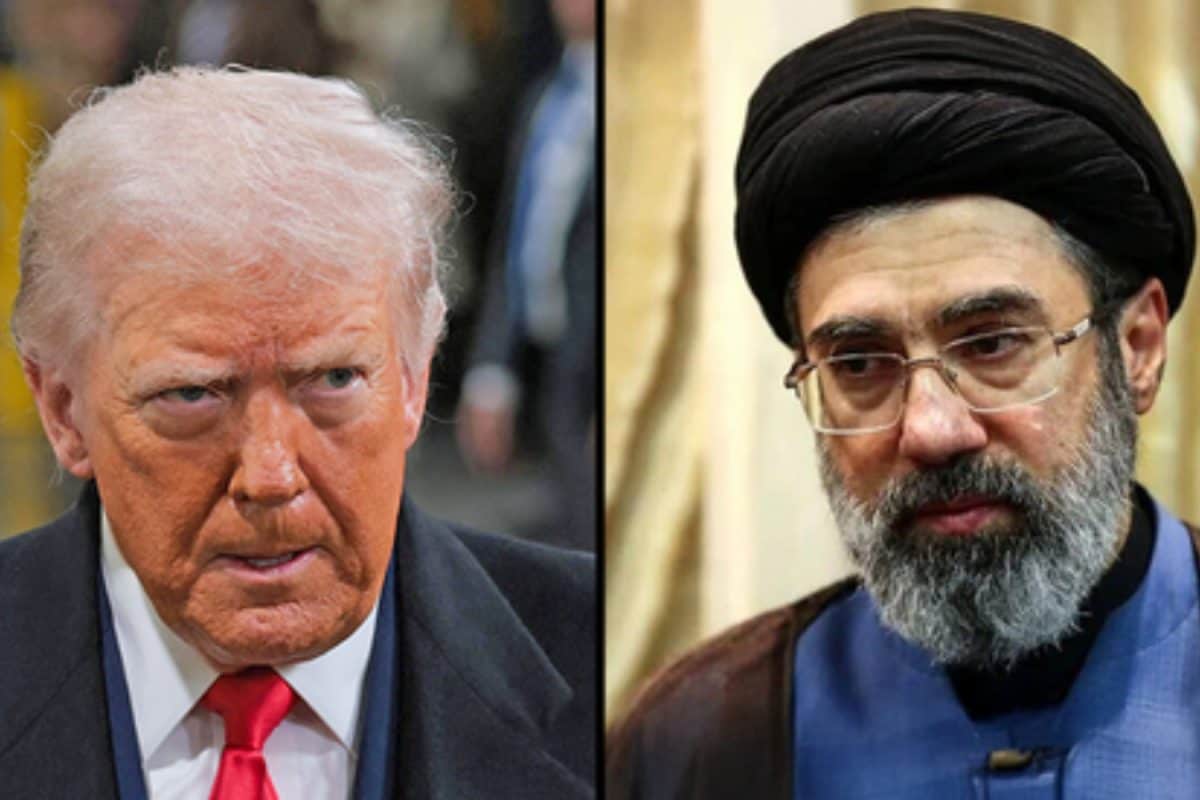
$300 Billion For Iran, But Not 'Reparations': Trump Deal Could Mark Historic Shift In US Policy Published By, Last Updated: June 17, 2026, 04:38 IST If finalized, the initiative could pave the way for the first major US-linked investment into Iran since the 1979 Islamic Revolution. US President Donald Trump and Iran's Supreme leader Mojtaba Khamenei (Photos: AFP) A proposed $300 billion investment fund for Iran is emerging as one of the most consequential elements of the Trump administration’s peace framework with Tehran. If finalized, the initiative could pave the way for the first major US-linked investment into Iran since the 1979 Islamic Revolution. According to a Reuters report, the fund is being discussed as part of the broader US-Iran agreement expected to be signed this week. More than half of the proposed financing has already been committed by private-sector investors, Reuters reported, citing a source in the know of the negotiations. However, the fund remains contingent on a final agreement being reached and has not yet been formally established.
What Is The $300 Billion Fund? The proposed vehicle, tentatively called the Reconstruction and Development Fund, would mobilize up to $300 billion in private investment for projects across Iran. Unlike a traditional aid package, the fund would not involve direct US government payments, grants or compensation. The fund is intended to create economic incentives for both Washington and Tehran to complete a final peace agreement after months of conflict and negotiations. Why Is The Fund Being Compared To Reparations? The comparisons stem from Iran’s original negotiating position. According to a senior Iranian source cited by Reuters, Tehran initially sought about $400 billion in compensation from the US for damage caused during the war. Washington rejected the idea of direct payments, leading negotiators to explore alternative mechanisms. The investment fund subsequently emerged as a compromise. Still, the fund’s stated purpose of rebuilding war-damaged facilities and infrastructure has inevitably fueled questions about whether it functions as reparations in all but name.
Why Would The Fund Be A Historic First? If implemented, the fund could effectively reopen Iran to significant US-linked capital for the first time in more than four decades. Since the 1979 Islamic Revolution and the collapse of diplomatic relations between Washington and Tehran, Iran has largely been shut out of Western investment markets due to sanctions, political tensions and recurring security crises. While foreign investment has occasionally entered Iran through indirect channels, a large-scale initiative involving American-linked investors would represent one of the most significant economic openings between the two countries in modern history. According to Reuters, proposed investments span energy, transportation, logistics, manufacturing and broader infrastructure projects. The fund is also intended to support longer-term economic development rather than solely post-war reconstruction. What Has The Trump Administration Said? Vice President JD Vance confirmed this week that Iran could gain access to a $300 billion reconstruction fund backed by Gulf states if it complies with US demands, including dismantling its nuclear program, eliminating enriched uranium stockpiles and accepting a strict inspection regime.
US President Donald Trump has not publicly detailed the investment mechanism but has repeatedly the broader agreement as a landmark diplomatic breakthrough that would prevent Iran from acquiring nuclear weapons while restoring regional stability. News18 Newsletter Handpicked stories, in your inbox A newsletter with the best of our journalism submit Location: Iran First Published: June 17, 2026, 04:38 IST News world $300 Billion For Iran, But Not 'Reparations': Trump Deal Could Mark Historic Shift In US Policy Disclaimer: Comments reflect users’ views, not News18’s. Please keep discussions respectful and constructive. Abusive, defamatory, or illegal comments will be removed. News18 may disable any comment at its discretion. By posting, you agree to our Terms of Use and Privacy Policy Loading comments...
 The BriefWire