Savarkar Filed 10 Mercy Petitions Before British, Grandnephew Tells Pune Court In Rahul Gandhi Defamation Trial
Savarkar Filed 10 Mercy Petitions Before British, Grandnephew Tells Pune Court In Rahul Gandhi Defamation Trial Written By, Last Updated: June 17, 2026, 02:14 IST
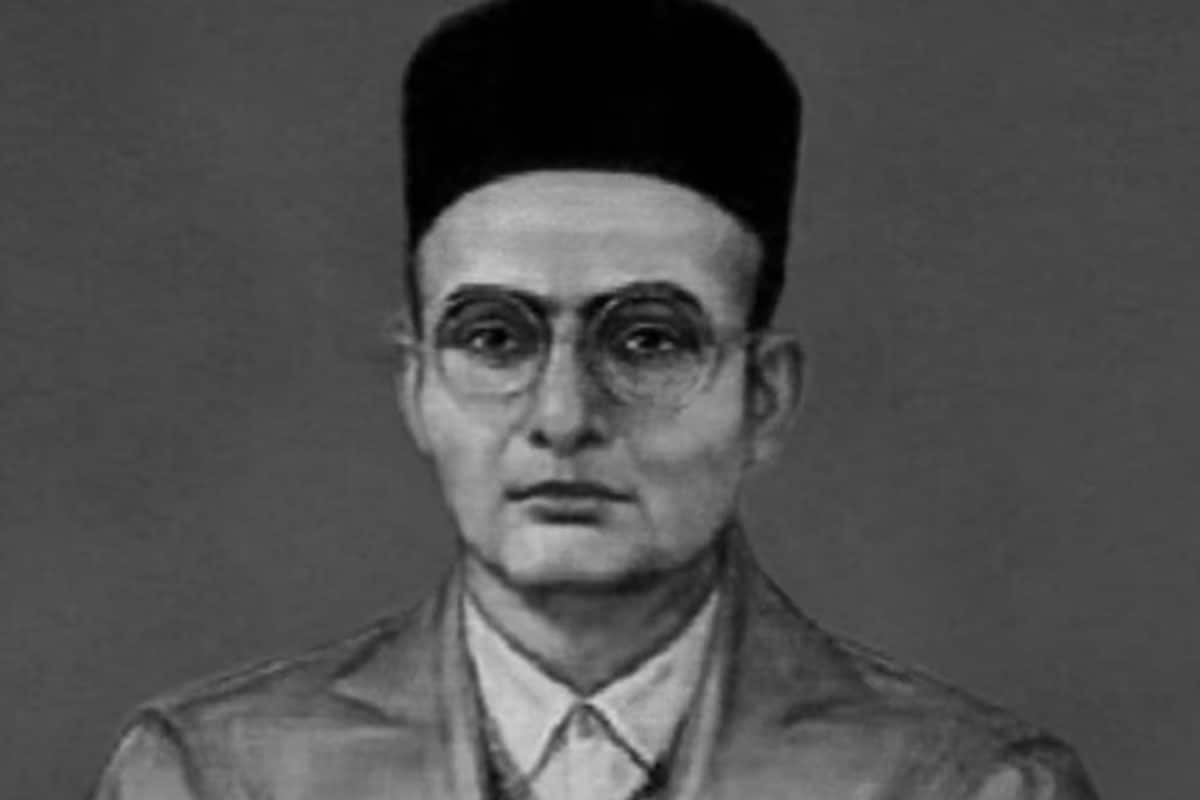
Savarkar Filed 10 Mercy Petitions Before British, Grandnephew Tells Pune Court In Rahul Gandhi Defamation Trial Written By, Last Updated: June 17, 2026, 02:14 IST Satyaki Savarkar contended that filing clemency petitions for sentence reduction was a standard administrative procedure under the British framework The court is continuing to examine the historical and ideological legacy of Savarkar as it weighs the defamation charges. (File image) The long-standing political and historical dispute surrounding Vinayak Damodar Savarkar’s clemency pleas has taken a significant turn in a Pune courtroom. Satyaki Savarkar, the grandnephew of the right-wing Hindutva ideologue, officially confirmed to a special MP/MLA court that his granduncle had submitted ten mercy petitions to the British colonial government during his incarceration in the Andaman Islands’ cellular jail. The critical admission emerged during a cross-examination conducted by advocate Milind Pawar, representing Congress leader Rahul Gandhi, who faces a criminal defamation suit filed by Satyaki over allegedly objectionable remarks made in London regarding the freedom fighter. While confirming the existence of the ten distinct petitions within federal archives, Satyaki strongly rejected the political narrative that the language used in those documents reflected submissiveness or an expression of absolute loyalty to the colonial regime.
He contended that filing clemency petitions for sentence reduction was a standard administrative procedure under the British framework and was routinely deployed by a multitude of incarcerated individuals. He emphasised that the language followed a strict legal and administrative protocol of that era rather than representing a personal compromise or philosophical surrender. Structural Contrast Drawn with Other Revolutionaries The cross-examination also highlighted the stark operational contrasts between Savarkar and other iconic figures of the Indian independence movement. Satyaki conceded to Special Judge Amol Shinde that several high-profile revolutionaries from the exact same historical period—including Bhagat Singh, Sukhdev, Rajguru, Batukeshwar Dutt, and Ashfaqullah Khan—resolutely chose not to file any clemency petitions, standing steadfast by their radical principles until their executions. Court records showed that Savarkar filed his initial plea within the very first month of receiving his formal sentence. Despite this contrast, the grandnephew stoutly maintained that the repeated petitions did not alter or diminish the title of “Veer" (brave) associated with his granduncle. He submitted evidence that the title was first used to describe Savarkar in a periodical run by the expatriate revolutionary Gadar organisation long before his transportation to the Andaman Islands.
Satyaki argued that honours like “Veer" are labels bestowed by the general public in recognition of extraordinary work, rather than legal definitions that can be compromised by accessing existing legal remissions. Defamation Suit Moves to Next Stage The ongoing legal confrontation traces back to an address delivered by Rahul Gandhi to the Indian diaspora in London, where he claimed Savarkar had written a book detailing an incident of visual delight while beating up a Muslim man. Satyaki has fiercely denied the existence of any such written text, accusing the Leader of the Opposition of intentionally fabricating allegations to defame the family’s legacy. Supporting the family’s stance, Satyaki noted that the British administration ultimately rejected all ten pleas precisely because colonial intelligence feared Savarkar would instantly resume active revolutionary operations upon release. With Pune city police previously confirming that Gandhi’s speech contained defamatory elements, the special court has scheduled the next crucial evidentiary hearing for July 1. News18 Newsletter Handpicked stories, in your inbox A newsletter with the best of our journalism submit About the Author Pathikrit Sen Gupta Pathikrit Sen Gupta is a Senior Associate Editor with News18.com and likes to cut a long story short.
He writes sporadically on Politics, Sports, Global Affairs, Space, Entertainment, And Food. He tra... Read More First Published: June 17, 2026, 02:11 IST News india Savarkar Filed 10 Mercy Petitions Before British, Grandnephew Tells Pune Court In Rahul Gandhi Defamation Trial Disclaimer: Comments reflect users’ views, not News18’s. Please keep discussions respectful and constructive. Abusive, defamatory, or illegal comments will be removed. News18 may disable any comment at its discretion. By posting, you agree to our Terms of Use and Privacy Policy Loading comments...
 The BriefWire