Leaks just moved to other apps: Telegram CEO on India banning app till NEET re-test
Telegram founder Pavel Durov has criticised India's temporary ban on the messaging platform, arguing that the move punished more than 150 million ordinary users while
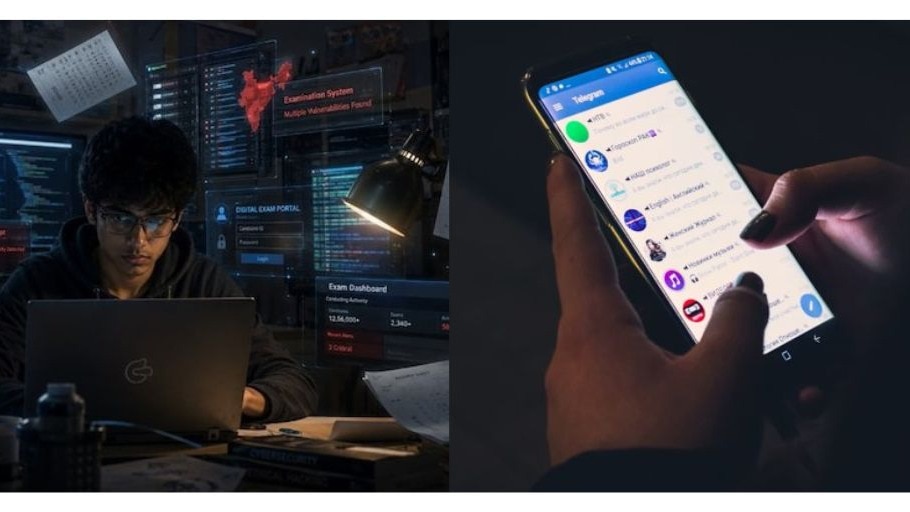
Telegram founder Pavel Durov has criticised India's temporary ban on the messaging platform, arguing that the move punished more than 150 million ordinary users while doing little to stop the spread of leaked examination materials that triggered the crackdown. In a statement on X, Durov said the week-long ban imposed by India's Information Technology Ministry failed to achieve its intended purpose and instead disrupted communication for millions of law-abiding users across the country. Read Full Story "India's IT ministry banned Telegram for one week because some users shared leaked exam questions," Durov said. "This punishes 150M+ ordinary Telegram users in India — not the insiders who leaked the exam materials." The comments come after Indian authorities temporarily blocked Telegram, citing its alleged use in attempts to defraud candidates appearing for NEET re-examination. The test had already been engulfed in controversy following allegations that question papers had been leaked, forcing authorities to cancel millions of results and triggering widespread outrage among students and parents.
'COLLECTIVE PUNISHMENT' Durov argued that the ban amounted to collective punishment and questioned its effectiveness. "And the ban hasn't stopped anything. The leaks just moved to other apps," he said. The Telegram founder maintained that restricting access to a platform used by millions does not address the root causes of examination fraud and instead merely shifts illegal activity elsewhere. "The ban has not stopped anything," Durov said, reiterating that those responsible for leaking examination materials were unaffected while ordinary users bore the consequences. India is one of Telegram's largest markets, with more than 150 million users relying on the platform for personal communication, business activities, educational purposes and community engagement. INDIA TEMPORARILY BANS TELEGRAM The Government of India on Tuesday temporarily banned the Telegram app ahead of the NEET UG 2026 re-examination amid a surge in claims of question paper leaks circulating on the platform. As Telegram channels flooded students with purported leaked question papers, edited screenshots and promises of guaranteed access to the examination, the Testing Agency (NTA) issued its strongest statement yet, explaining the rationale behind the temporary restriction on the platform and the disabling of one of its most widely used features.
The move came just days before the NEET 2026 re-examination scheduled for June 21. WHY TELEGRAM CAME UNDER SCRUTINY According to the NTA, the action followed months of monitoring of Telegram channels allegedly being used by organised cheating syndicates and cyber fraud networks. The agency said channels operating under names such as "PAPER LEAKED NEET", "Re-NEET 2026", "Private Mafia" and "REE NEET MAFIAA" openly claimed to provide access to examination papers and sought payments ranging from a few thousand rupees to several lakh rupees from candidates and their families. The NTA has reiterated that no such paper exists outside the secured examination process. "The promise of any such material is, in every instance, a fraud," the agency said. TELEGRAM'S ROLE IN EXAM-RELATED SCAMS Telegram's popularity has grown significantly over the past decade, including among millions of users in India. The platform is known for its privacy-focused features, large channels, anonymous usernames and the ability to share files with vast audiences.
While these features have attracted educators, businesses and content creators, they have also made Telegram a preferred platform for fraudsters claiming to offer leaked examination papers and insider access to competitive tests. In recent years, several paper leak rumours and examination-related scams have circulated through Telegram channels, prompting authorities to keep the platform under close watch during high-stakes tests such as NEET. Ends Published By: Prateek Chakraborty Published On: Jun 16, 2026 21:54 IST
 The BriefWire