Mumbai's Big Move To Save Drinking Water: No Supply For Construction, Swimming Pools
Mumbai's Big Move To Save Drinking Water: No Supply For Construction, Swimming Pools Published By, Last Updated: June 16, 2026, 21:31 IST The restrictions will
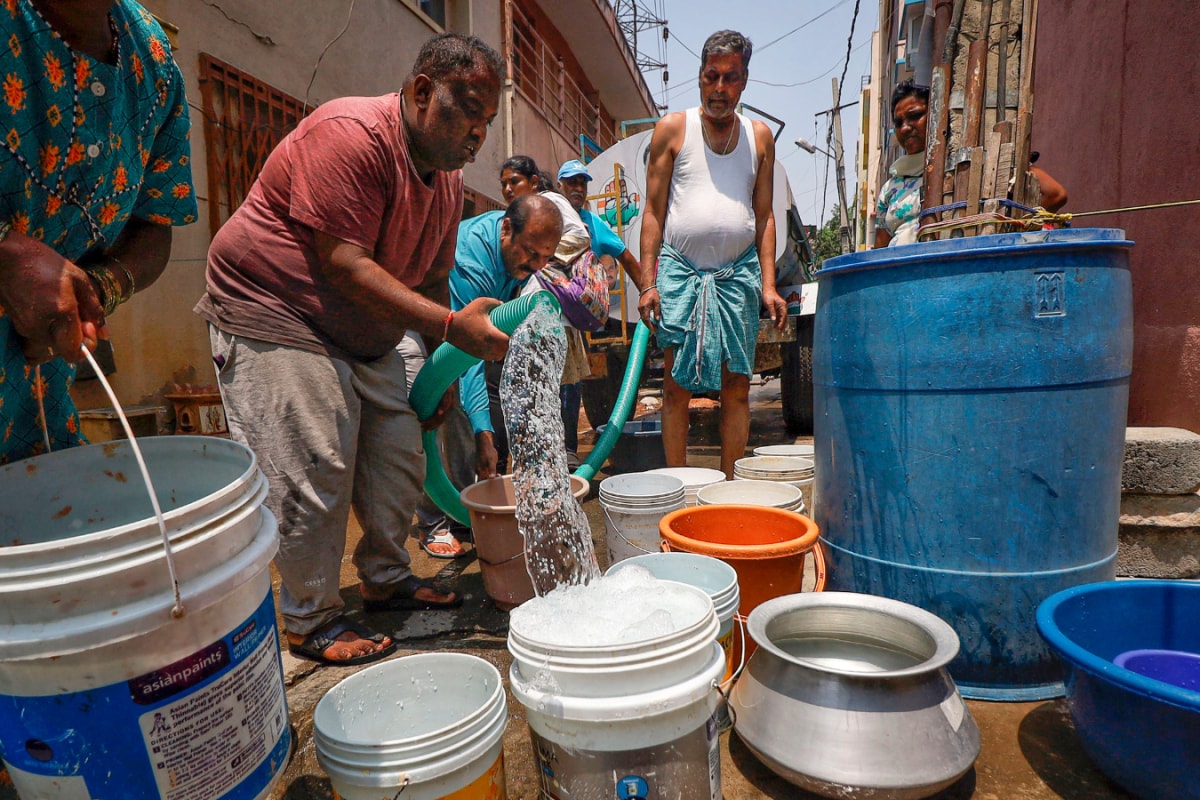
Mumbai's Big Move To Save Drinking Water: No Supply For Construction, Swimming Pools Published By, Last Updated: June 16, 2026, 21:31 IST The restrictions will come into effect from June 17 as the city grapples with shrinking water stocks amid concerns over the impact of El Niño on monsoon rainfall. Rapid Read The municipal administration has appealed to residents and businesses to cooperate with water conservation efforts until reservoir levels improve.(Representative Image) Facing a delayed monsoon and rapidly depleting reservoir levels, the Brihanmumbai Municipal Corporation (BMC) announced sweeping restrictions on non-essential water use, including a ban on water supply for construction activities and swimming pools, in an effort to safeguard Mumbai’s drinking water reserves. The restrictions will come into effect from June 17 as the city grapples with shrinking water stocks amid concerns over the impact of El Niño on monsoon rainfall. Mumbai has already been under a 10 per cent water cut since May 15, but with water levels in the seven lakes supplying the city falling to just 10.35 per cent of their usable capacity as of June 16, authorities have decided to tighten conservation measures further.
No Water For Construction, Swimming Pools Under the new restrictions, all water connections provided for ongoing construction projects will be temporarily disconnected, while approvals for new construction-related water connections have been suspended until further notice. Water supply to swimming pools across the city will also be temporarily stopped. In addition, the BMC has imposed a 20 per cent water cut on industrial, commercial and sports club establishments. Water supplied to aerated beverage and packaged drinking water bottling units will also be restricted to meet only the basic drinking needs of workers. The civic body warned that strict action would be taken against individuals or establishments found wasting or misusing drinking water. Why Has BMC Taken This Step? The move follows directions issued by the Maharashtra government’s Water Resources Department amid concerns over delayed monsoon rains and declining reservoir levels. Mumbai currently requires around 4,664 million litres of water per day (MLD), while available sources supply an average of 4,100 MLD daily. With monsoon rains yet to replenish reservoirs adequately, extending the available water stock for as long as possible has become a major challenge for civic authorities.
More Conservation Measures Announced The BMC has directed organisations managing public toilets and restrooms to maximise the use of tanker water, borewell water and other alternative sources wherever possible. Citizens and establishments have also been advised to use borewell or well water for activities such as washing vehicles, watering gardens and cleaning roads or premises instead of treated drinking water. Several large organisations, including Central Railway, Western Railway, the Indian Navy, HPCL, BPCL, RCF, MIDC and the Mumbai Port Authority, have been asked to increase the use of treated wastewater from sewage treatment plants for operational and secondary purposes. BMC’s Appeal To Citizens The municipal administration has appealed to residents and businesses to cooperate with water conservation efforts until reservoir levels improve. Officials have warned that legal action will be initiated against anyone found misusing drinking water supplied by the BMC. The restrictions are expected to remain in place until sufficient rainfall replenishes Mumbai’s reservoirs and water availability improves. News18 Newsletter Handpicked stories, in your inbox A newsletter with the best of our journalism submit About the Author Saurabh Verma Senior Sub-editor Saurabh Verma covers general, national and international day-to-day news for News18.com as a Chief Sub-editor.
He keenly observes politics. You can follow him on First Published: June 16, 2026, 21:28 IST News cities mumbai-news Mumbai's Big Move To Save Drinking Water: No Supply For Construction, Swimming Pools Disclaimer: Comments reflect users’ views, not News18’s. Please keep discussions respectful and constructive. Abusive, defamatory, or illegal comments will be removed. News18 may disable any comment at its discretion. By posting, you agree to our Terms of Use and Privacy Policy Loading comments...
 The BriefWire