What Is Shigella? Why Kerala Is Seeing A Rise In Cases | Symptoms & Treatment Explained
What Is Shigella? Why Kerala Is Seeing A Rise In Cases | Symptoms & Treatment Explained Published By, Last Updated: June 16, 2026, 20:42 IST
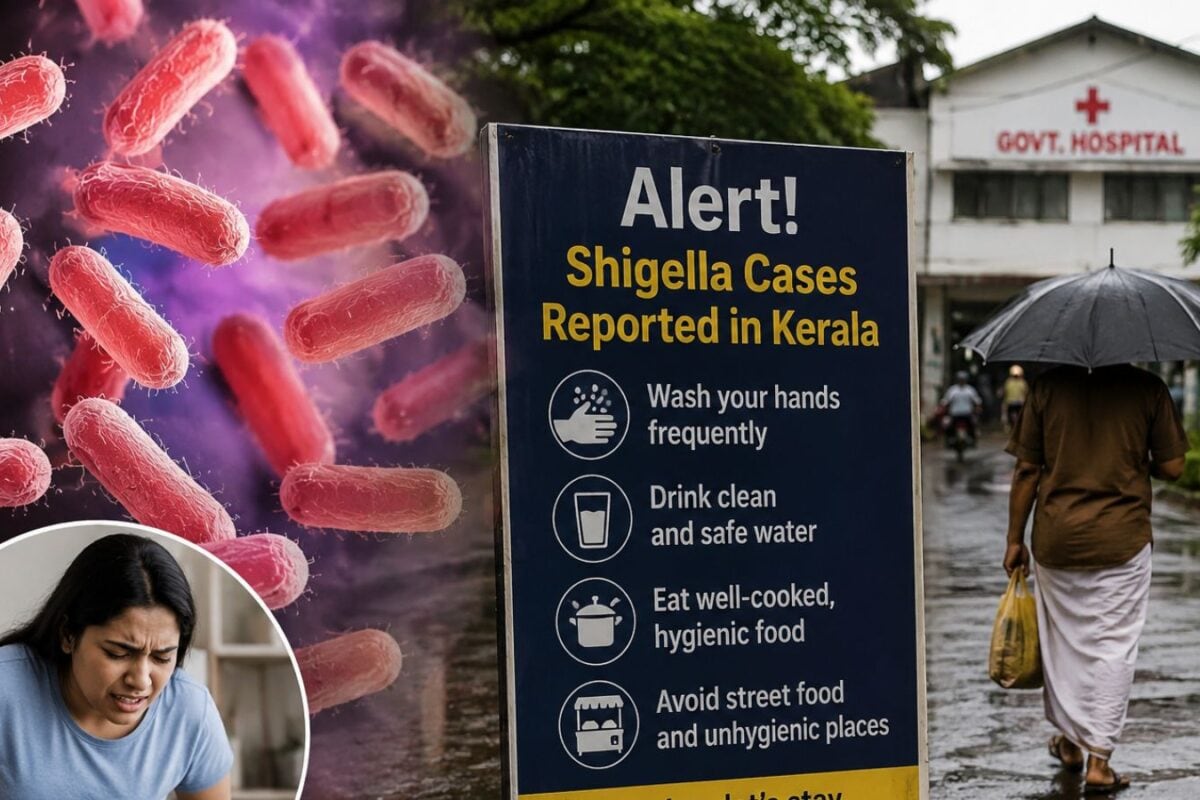
What Is Shigella? Why Kerala Is Seeing A Rise In Cases | Symptoms & Treatment Explained Published By, Last Updated: June 16, 2026, 20:42 IST Shigella Cases: At least five people have died, and 146 cases of Shigella infection have been reported in Kerala so far this year. Rapid Read Shigella is a group of bacteria that causes shigellosis, a highly contagious intestinal infection that spreads through contaminated food, water and contact with infected individuals. (AI-generated photo) Shigella cases in Kerala: At least five people have died, and 146 cases of Shigella infection have been reported in Kerala so far this year, prompting health authorities to step up surveillance and preventive measures. Kerala Health Minister K Muraleedharan chaired a review meeting on Tuesday and said one death was reported in March, while the remaining four occurred in June. Of the 146 infections recorded this year, 70 were reported in June alone, indicating a sharp rise in cases. Kozhikode reported the highest number of infections, with 74 cases between January and June. It was followed by Malappuram with 25 cases, including two deaths, and Thiruvananthapuram with 25 cases. No cases have been reported so far this year from Pathanamthitta, Palakkad and Kasaragod districts. What Is Shigella? Shigella is a group of bacteria that causes shigellosis, a highly contagious intestinal infection that spreads through contaminated food, water and contact with infected individuals. According to the World Health Organization (WHO) and the US Centers for Disease Control and Prevention (CDC), Shigella is one of the leading causes of diarrhoeal disease worldwide, particularly among young children.
Why Kerala Is Seeing A Rise In Shigella Cases Like several other communicable diseases, Shigella infections tend to surge in Kerala during the monsoon season, when heavy rainfall increases the risk of water contamination and the spread of waterborne illnesses. Kerala Health Minister K Muraleedharan has reportedly attributed the rise in Shigella cases to inadequate pre-monsoon sanitation efforts. According to the minister, the state’s annual pre-monsoon cleaning drive was disrupted this year due to the Assembly elections, affecting preparedness ahead of the rainy season. Health Department officials have identified contaminated water as a major factor behind the spread of Shigella and other infectious diseases in the state. According to a report by The Indian Express, officials pointed to poor chlorination of household wells and the proximity of drinking water sources to toilet pits in many residential compounds as key concerns. “Water in open wells in households is not chlorinated. The same compound would have toilet pits, and the chances of water getting contaminated are very high. Water supplied in hotels and restaurants is also contaminated in many cases," a Health Department official told The Indian Express. The risk of contamination increases during the monsoon as rainwater can carry sewage and waste into drinking water sources, creating ideal conditions for the spread of bacterial infections such as Shigella. In response to the spike in cases, the state government has launched a special chlorination drive aimed at disinfecting drinking water sources and preventing further outbreaks.
What Are Shigella Symptoms? Symptoms usually appear one to two days after exposure to the bacteria and typically last about a week. Common symptoms include Diarrhoea, which may contain blood Stomach cramps Fever Nausea and vomiting Frequent urge to pass stools Dehydration How Does Shigella Spread? Shigella spreads very easily because only a small number of bacteria are needed to cause infection. Health experts say outbreaks are more likely in overcrowded settings and areas with poor sanitation. The infection can spread through Contaminated food Contaminated drinking water Poor hand hygiene after using the toilet Close contact with an infected person Touching contaminated surfaces and then touching the mouth Is Shigella Deadly? Shigella can be fatal, but deaths are relatively uncommon when patients receive timely medical care. Most healthy adults recover within a week with adequate hydration and rest. However, the infection can become life-threatening in vulnerable groups, including Children under five years of age Elderly people Immunocompromised individuals Malnourished people Patients suffering from severe dehydration What Is the Treatment? Most patients recover within five to seven days without antibiotics. Treatment generally includes Drinking plenty of fluids Oral Rehydration Solution (ORS) Rest and supportive care Doctors may prescribe antibiotics in severe cases, although growing antibiotic resistance has become a global concern. Experts advise against self-medication and recommend taking antibiotics only under medical supervision. What Precautions Should People Take? Health authorities recommend the following preventive measures Wash hands thoroughly with soap and water Drink safe and clean water Eat freshly prepared food Wash fruits and vegetables properly before consumption Avoid food prepared in unhygienic conditions Stay away from swimming pools if suffering from diarrhoea Regularly disinfect frequently touched surfaces When Should You Seek Immediate Medical Help?
Immediate medical attention is recommended if Diarrhoea contains blood Symptoms are severe or persist for several days Signs of dehydration appear, such as dizziness, dry mouth or reduced urination The patient is a young child, an elderly person or an immunocompromised individual Health experts say most cases of Shigella infection can be prevented through proper hygiene, safe drinking water, improved sanitation and careful food handling. News18 Newsletter Handpicked stories, in your inbox A newsletter with the best of our journalism submit About the Author Saurabh Verma Senior Sub-editor Saurabh Verma covers general, national and international day-to-day news for News18.com as a Chief Sub-editor. He keenly observes politics. You can follow him on Location: Thiruvananthapuram, India, India First Published: June 16, 2026, 20:37 IST News india What Is Shigella? Why Kerala Is Seeing A Rise In Cases | Symptoms & Treatment Explained Disclaimer: Comments reflect users’ views, not News18’s. Please keep discussions respectful and constructive. Abusive, defamatory, or illegal comments will be removed. News18 may disable any comment at its discretion. By posting, you agree to our Terms of Use and Privacy Policy Loading comments...
 The BriefWire