Despite Trump-Netanyahu Rift, 5 Reasons US Won't Turn Against Israel
Despite Trump-Netanyahu Rift, 5 Reasons US Won't Turn Against Israel Published By, Last Updated: June 16, 2026, 17:56 IST Trump has reportedly expressed increasing frustration
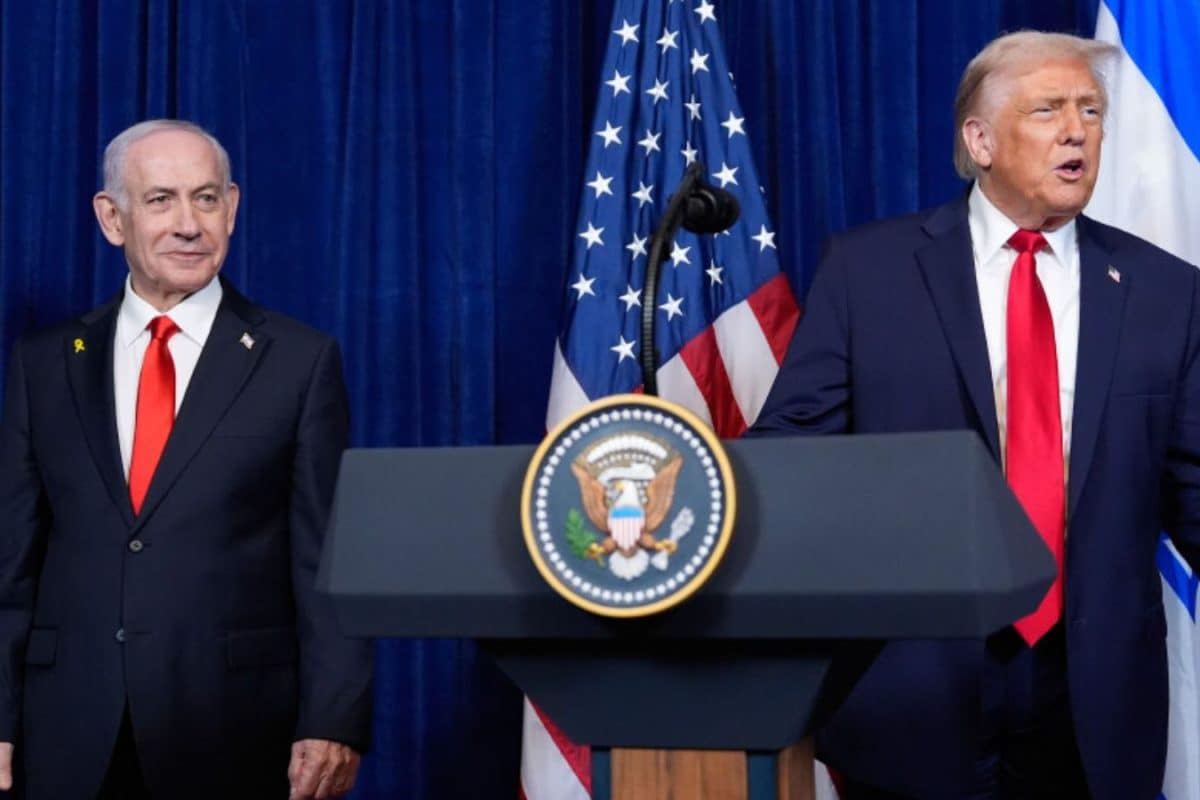
Despite Trump-Netanyahu Rift, 5 Reasons US Won't Turn Against Israel Published By, Last Updated: June 16, 2026, 17:56 IST Trump has reportedly expressed increasing frustration with Netanyahu, particularly over Israel's continued military operations in Lebanon. Despite Trump's unusually sharp criticism of Netanyahu, few analysts expect the tensions to translate into a fundamental shift in US policy toward Israel. (AP File) As the Middle East conflict stretches beyond its 100th day, tensions between US President Donald Trump and Israeli Prime Minister Benjamin Netanyahu appear to be reaching a new low, exposing growing differences over how to manage the region’s escalating crises. Behind closed doors and at international summits, Trump has reportedly expressed increasing frustration with Netanyahu, particularly over Israel’s continued military operations in Lebanon, which Washington fears could jeopardise delicate diplomatic efforts with Iran. Trump’s language toward the Israeli leader has become unusually blunt. Over the past month, the US President is said to have described Netanyahu as “f****** crazy" and suggested that without American support, the Israeli prime minister “would be in prison." The latest flashpoint came after an Israeli strike targeting a senior Hezbollah figure in Beirut. The operation reportedly angered Tehran at a time when Washington is working to advance a broader diplomatic understanding with Iran. Following the strike, Trump reportedly complained that Netanyahu showed “no f****** judgment." Speaking on the sidelines of the G7 summit in France, Trump publicly signalled his dissatisfaction, saying Netanyahu needed to act “more responsibly" regarding Lebanon.
He also emphasised the extent of American support for Israel, remarking that there would be “no Israel" without US backing. The Source of the Friction The growing divide between Trump and Netanyahu stems from a recurring problem facing Washington’s Middle East strategy. Every time diplomacy with Iran appears to gain momentum, developments involving Israel and Hezbollah risk derailing progress. Washington has spent months trying to contain regional tensions while keeping diplomatic channels with Tehran open. Israeli military actions in Lebanon, however, have repeatedly complicated those efforts. The disagreement reflects a broader strategic divergence. While Israel views Hezbollah as an immediate security threat requiring sustained military pressure, the Trump administration appears increasingly focused on preventing a wider regional war that could undermine its diplomatic objectives. Why Trump Is Unlikely to Take Action Against Israel Despite Trump’s unusually sharp criticism of Netanyahu, few analysts expect the tensions to translate into a fundamental shift in US policy toward Israel. Unlike countries such as Iran, Russia or North Korea, Israel occupies a unique position in American foreign policy and remains largely insulated from sweeping punitive measures. The following are five reasons A Critical Strategic Ally Israel remains one of Washington’s most important partners in the Middle East. The two countries cooperate extensively on intelligence sharing, counterterrorism operations, missile defence and regional security issues.
Successive US administrations have viewed Israel as a cornerstone of their Middle East strategy. Strong Bipartisan Support Support for Israel extends well beyond the White House. Both Republican and Democratic lawmakers have historically backed the US-Israel relationship, making major punitive measures politically difficult to pursue. Shared Democratic Institutions American policymakers frequently cite shared democratic values as a key pillar of the relationship. Israel’s electoral system, independent judiciary and democratic institutions have long been viewed in Washington as distinguishing it from many countries in the region. Deep Military Cooperation The defence relationship between the two countries is deeply integrated. Joint military projects, intelligence cooperation and missile-defence programmes have created extensive strategic interdependence. The US benefits from Israeli military technology and regional intelligence, while Israel relies heavily on American military assistance. Decades of Historical and Cultural Ties The relationship is also reinforced by longstanding historical, political and cultural connections. American support for Israel has been shaped by decades of diplomatic cooperation, strong people-to-people ties and broad public sympathy dating back to the aftermath of World War II. Rhetoric Versus Reality Trump’s increasingly public frustration with Netanyahu highlights growing tactical disagreements between Washington and Jerusalem. However, history suggests that personal tensions between leaders rarely alter the fundamental foundations of the US-Israel alliance. For now, the most likely outcome is continued behind-the-scenes pressure, diplomatic persuasion and occasional public criticism rather than any dramatic rupture in relations.
While Trump’s patience with Netanyahu may be wearing thin, the strategic, political and historical bonds linking the US and Israel remain far stronger than the disagreements currently dividing their leaders. News18 Newsletter Handpicked stories, in your inbox A newsletter with the best of our journalism submit About the Author Saurabh Verma Senior Sub-editor Saurabh Verma covers general, national and international day-to-day news for News18.com as a Chief Sub-editor. He keenly observes politics. You can follow him on Location: Washington D.C., United States of America (USA) First Published: June 16, 2026, 17:54 IST News world Despite Trump-Netanyahu Rift, 5 Reasons US Won't Turn Against Israel Disclaimer: Comments reflect users’ views, not News18’s. Please keep discussions respectful and constructive. Abusive, defamatory, or illegal comments will be removed. News18 may disable any comment at its discretion. By posting, you agree to our Terms of Use and Privacy Policy Loading comments...
 The BriefWire