Trump's Obama Moment? Why US President's Biggest Iran Obstacle May Be Inside The White House
Trump's Obama Moment? Why US President's Biggest Iran Obstacle May Be Inside The White House Written By, Last Updated: June 16, 2026, 08:00 IST If
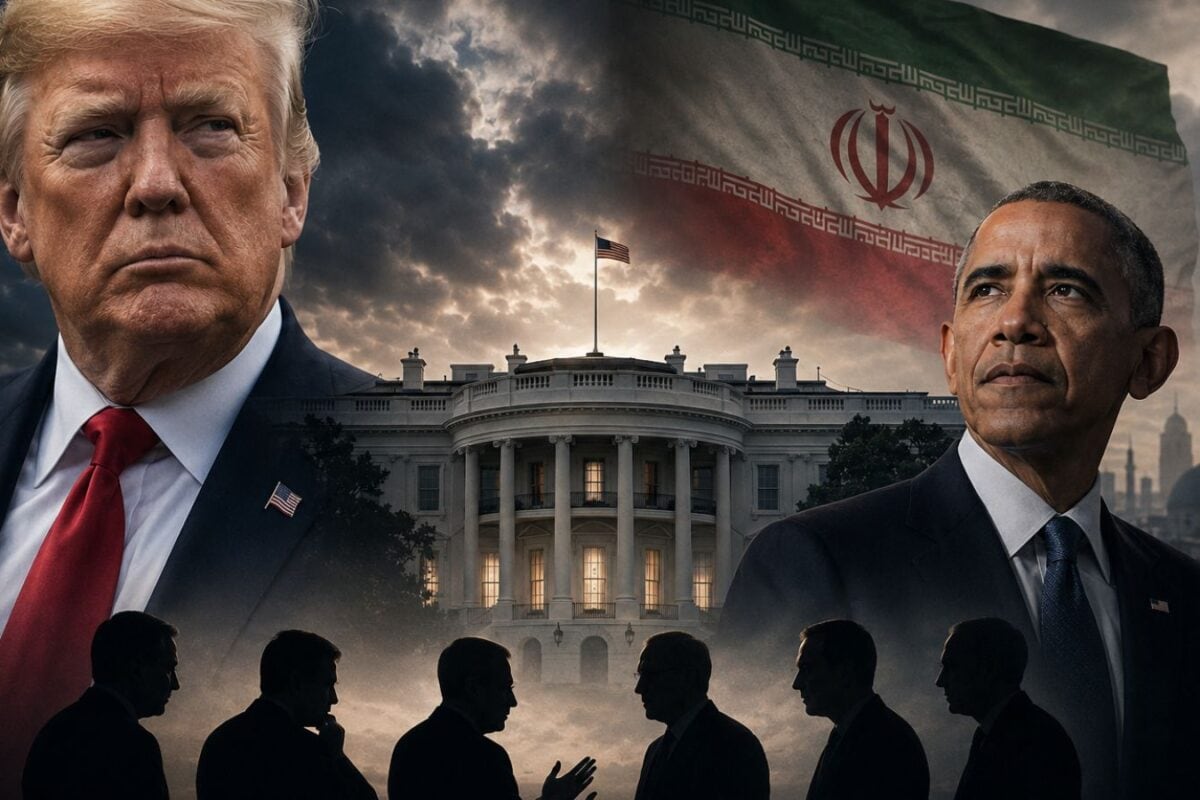
Trump's Obama Moment? Why US President's Biggest Iran Obstacle May Be Inside The White House Written By, Last Updated: June 16, 2026, 08:00 IST If America’s top intel officials do not believe Iran will follow through, how does Trump convince allies, Congress and even members of his own team that the deal is worth the risk? Rapid Read Trump faces a challenge familiar to every president who has tried to negotiate with Tehran: how much trust is too much? (AI-Generated Image) For Donald Trump and his peace push to end months of conflict with Iran and launch negotiations over Tehran’s nuclear programme, the biggest obstacle may not be Tehran but his own administration. According to Axios, CIA Director John Ratcliffe has emerged as one of the most vocal sceptics of the deal, warning internally that Iran is unlikely to accept the nuclear concessions Washington ultimately wants. His concerns are reportedly shared by Secretary of State Marco Rubio and Defence Secretary Pete Hegseth. On the other side are Vice-President JD Vance, envoy Steve Witkoff and adviser Jared Kushner, who have pushed for diplomacy and helped shape the framework agreement now on the table. ALSO READ | From ‘Somewhat Concerned’ To ‘I’m Praying’: Trump’s Iran Deal Faces Skepticism From Allies The divide has created what could be called the Ratcliffe Problem—if America’s top intelligence officials do not believe Iran will follow through, how does Trump convince allies, Congress and even members of his own team that the deal is worth the risk?
The Two Camps Inside Trump’s Team Team Deal argues that after months of war, economic disruption and tensions in the Strait of Hormuz, a negotiated settlement with Iran offers the best chance of preventing another conflict. Their argument, according to The Guardian, is that the current memorandum of understanding creates a 60-day window for detailed negotiations. The proponents believe that diplomacy can still secure restrictions on Iran’s nuclear activities, a deal could stabilise oil markets and reduce the risk of another regional war, and walking away now could undo recent diplomatic gains. For Team Pressure, the argument is that the administration may be giving away leverage too early. They believe Iran could receive economic benefits before making irreversible nuclear concessions and the framework does not yet resolve key questions about uranium stockpiles and enrichment. Also, Axios reports that those against the deal in the White House argue that Tehran has a history of using negotiations to buy time and the United States may struggle to reimpose pressure if talks collapse. The Ratcliffe Problem What makes Ratcliffe’s intervention significant is that it comes from the head of the CIA rather than a political rival. According to Axios, Ratcliffe has expressed serious doubts about Iran’s willingness to accept restrictions demanded by Washington, particularly regarding enrichment and handling of nuclear material.
ALSO READ | Iran To Charge Maritime Service Fees On Ships Transiting Hormuz. Here’s What Tehran Seeks Unlike his adversaries, who he could choose to ignore, Trump has a tougher job at hand here. Ratcliffe’s concern matters because intelligence agencies are not tasked with negotiating deals. Their job is to assess intentions and risks. Ratcliffe’s warning strikes at the central assumption that is key to Trump’s diplomatic push: that Iran ultimately wants an agreement badly enough to compromise. Why The Debate Matters The current agreement is not a final peace treaty. It is essentially a framework that launches a 60-day negotiation process aimed at producing a broader nuclear accord. Many of the toughest issues remain unresolved, including the nuclear dilemma. That means the administration is now operating on two tracks: Diplomats are trying to turn the framework into a lasting deal, while intelligence and security officials are questioning whether Iran ever intended to make the concessions needed for such a deal. The success or failure of the negotiations could ultimately depend on which assessment proves correct. The split in the White House also harks back to the Obama era that Trump spent years attacking for its Iran nuclear deal, calling it too weak and too trusting. Now, he faces a challenge familiar to every president who has tried to negotiate with Tehran: how much trust is too much?
If the talks succeed, Team Deal will argue diplomacy prevented another costly war. If they fail, critics inside the administration are likely to point back to the Ratcliffe warnings and argue the White House ignored its own intelligence community. News18 Newsletter Handpicked stories, in your inbox A newsletter with the best of our journalism submit About the Author Apoorva Misra Apoorva Misra is News Editor at News18.com with over nine years of experience. She is a graduate from Delhi University's Lady Shri Ram College and holds a PG Diploma from Asian College of Journalism,... Read More Location: United States of America (USA) First Published: June 16, 2026, 08:00 IST News explainers Trump's Obama Moment? Why US President's Biggest Iran Obstacle May Be Inside The White House Disclaimer: Comments reflect users’ views, not News18’s. Please keep discussions respectful and constructive. Abusive, defamatory, or illegal comments will be removed. News18 may disable any comment at its discretion. By posting, you agree to our Terms of Use and Privacy Policy Loading comments...
 The BriefWire