US-Iran MoU signed by Trump-Vance, Iran Speaker
Live Events as a Reliable and Trusted News Source Addas a Reliable and Trusted News Source Add Now! (You can now subscribe to our (You
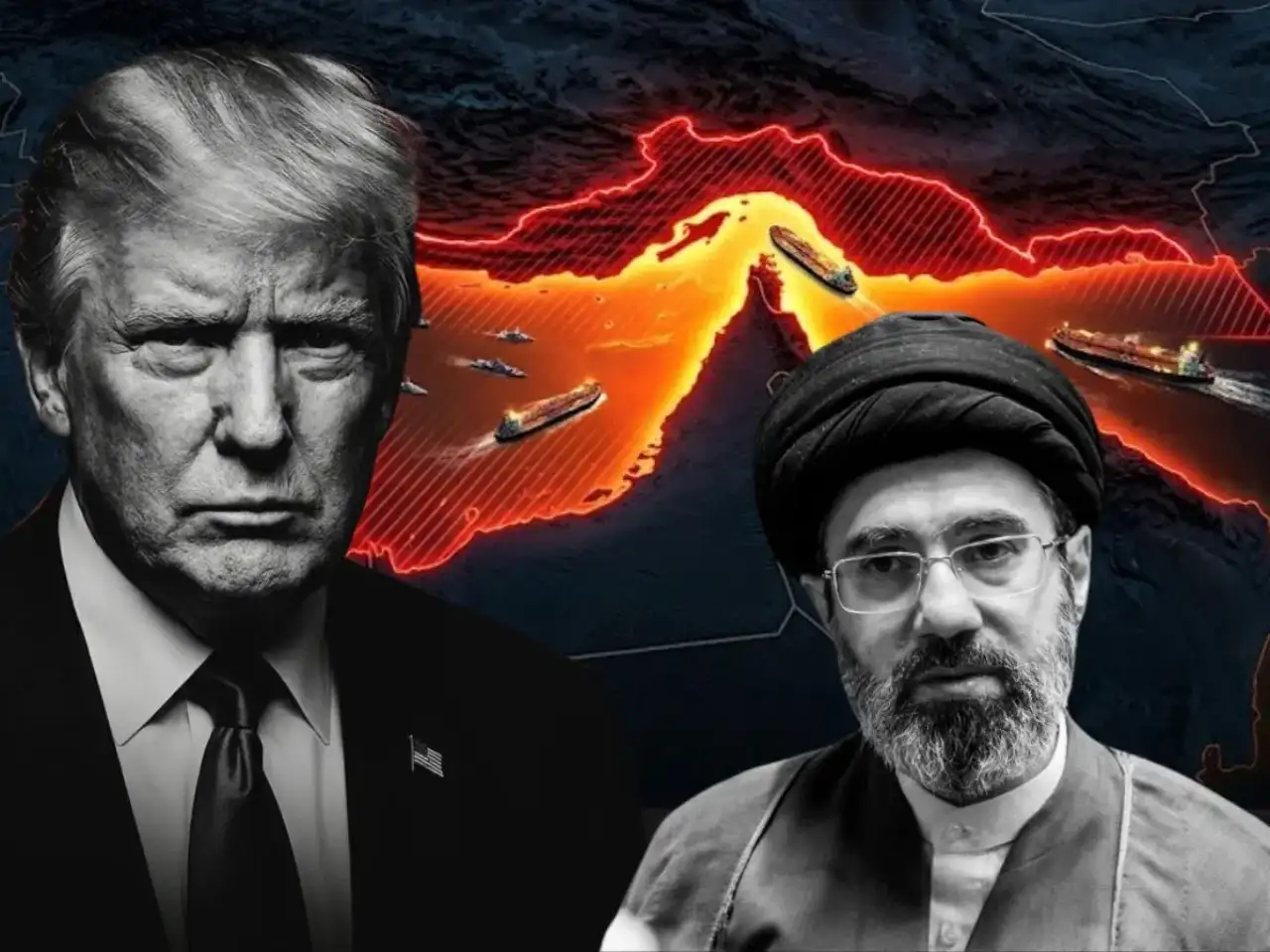
Live Events as a Reliable and Trusted News Source Addas a Reliable and Trusted News Source Add Now! (You can now subscribe to our (You can now subscribe to our Economic Times WhatsApp channel U.S. President Donald Trump, Vice President JD Vance and Iranian parliament speaker Mohammad Bagher Qalibaf have signed a memorandum of understanding (MoU) aimed at ending the conflict between the two countries, a senior U.S. official said on Monday, as per Reuters.The agreement provides for a 60-day halt in fighting, the reopening of the Strait of Hormuz and the lifting of the U.S. blockade on Iran, according to the official. A formal signing ceremony is scheduled to take place in Switzerland on Friday, while the text of the agreement is expected to be released within the next 24 to 48 hours.The breakthrough marks the most significant diplomatic progress yet towards ending months of conflict that have destabilised the Middle East, disrupted shipping and unsettled global energy markets.The senior U.S. official said technical discussions on implementing the agreement would begin later this week.
The United States plans to maintain its current military force posture during the next phase of negotiations, with any reduction in forces to be considered only after a final agreement is reached.Washington is also seeking what the official described as "verifiable and irreversible" steps from Tehran. Relief involving frozen Iranian funds and sanctions would be linked to Iran's compliance with the agreement, although the United States could take some limited confidence-building measures at the outset.The official added that Washington's understanding is that Qalibaf had been authorised by Iran's supreme leadership to negotiate and sign the memorandum on Tehran's behalf.On regional security, the official said Israel would retain the right to defend itself against attacks by Hezbollah and that an Israeli withdrawal from Lebanon is not a condition of the agreement.Vance said the memorandum includes an assurance that Iran will never produce, procure or buy a nuclear weapon, although broader negotiations on Tehran's nuclear programme are expected to continue beyond the initial ceasefire period.The Strait of Hormuz, through which roughly a fifth of the world's oil supplies typically pass, is one of the world's most important energy chokepoints.
Any sustained reopening of the waterway is expected to ease concerns over global energy supplies and shipping disruptions.Separately, Iran's state-affiliated Mehr News agency published what it described as details of a 14-point draft memorandum outlining a broader framework for future negotiations. The contents have not been independently verified, and neither Washington nor Tehran has publicly confirmed the reported provisions.According to the report, the framework could involve the release of up to $24 billion in frozen Iranian assets, the suspension of sanctions on Iranian oil exports and negotiations aimed at reaching a final agreement on Tehran's nuclear programme
within 60 days. The report also suggested discussions on a possible U.S. military pullback from areas surrounding Iran and measures to restore maritime traffic through the Strait of Hormuz.Mehr reported that future nuclear negotiations would focus primarily on Iran's stockpile of highly enriched uranium, although U.S. officials have previously indicated that any final settlement could require broader restrictions on Tehran's nuclear activities.The agency also reported that Iran and Oman would retain authority over navigation and security arrangements in the Strait of Hormuz, a point that differs from recent U.S. statements emphasising unrestricted commercial access through the waterway.
 The BriefWire