CIA Chief Doubts Iran’s Intentions Despite US Signing Peace Deal: 'Trump Listens To Opinions, But…’
CIA Chief Doubts Iran’s Intentions Despite US Signing Peace Deal: 'Trump Listens To Opinions, But…’ Published By, Last Updated: June 16, 2026, 07:25 IST CIA
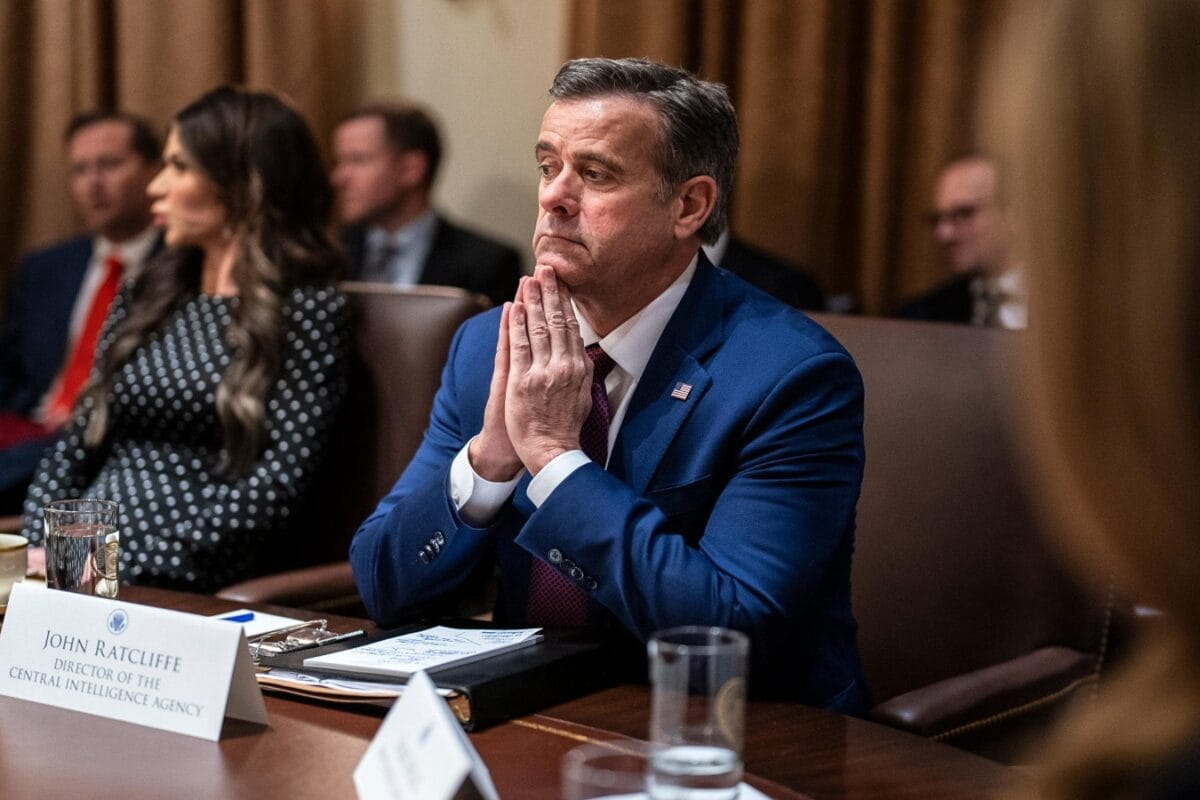
CIA Chief Doubts Iran’s Intentions Despite US Signing Peace Deal: 'Trump Listens To Opinions, But…’ Published By, Last Updated: June 16, 2026, 07:25 IST CIA Director Ratcliffe warned Trump that intelligence collected by US agencies raised concerns over Iran's true intentions as negotiations move towards a possible final agreement. CIA Director John Ratcliffe (Photo: CNN) A preliminary agreement signed between the United States and Iran to end the West Asia conflict has exposed divisions within the Trump administration, with CIA Director John Ratcliffe reportedly expressing serious doubts about Tehran’s willingness to follow through on key nuclear commitments. According to a report by Axios, Ratcliffe warned President Donald Trump and other senior officials that intelligence collected by US agencies raised concerns over Iran’s true intentions as negotiations move towards a possible final agreement. What are US intelligence’s concerns? The preliminary memorandum of understanding (MoU) signed on Sunday is designed to extend the current ceasefire and launch a 60-day negotiating process aimed at reaching a broader agreement. However, during a series of high-level meetings before the announcement, US officials reviewed intelligence suggesting that Iranian officials were discussing the agreement differently among themselves than they were with mediators and American negotiators. According to sources familiar with the discussions, Ratcliffe and Secretary of State Marco Rubio argued that the intelligence indicated Iran may not be prepared to take the nuclear steps being sought by Washington. “The intelligence reflects that the Iranian intentions are not in line with their commitments under the deal," one source said.
Divisions within Trump’s team Ratcliffe is not the only senior official expressing reservations. According to the report, Secretary of Defense Pete Hegseth also raised concerns during internal discussions. On the other side, Vice President JD Vance and US envoys Steve Witkoff and Jared Kushner supported moving ahead with the agreement. Several meetings were held between Trump and his advisers in the days leading up to Sunday’s announcement as the administration weighed the risks and benefits of the deal. Responding to questions about the reported disagreements, a White House official said Trump considered all viewpoints before making a decision. “President Trump listens to all opinions on any given issue – but everyone understands he is the final decision-maker," the official said. The official added that the agreement meets long-standing US objectives by ensuring Iran cannot obtain a nuclear weapon, retain highly enriched uranium or threaten global energy supplies. The CIA and State Department declined to comment, while the Pentagon did not respond. Nuclear deal still to be negotiated Although the MoU has been signed, its nuclear provisions depend on the successful conclusion of a more detailed agreement over the next 60 days. Vance, Witkoff and Kushner are expected to meet Iranian Parliament Speaker Mohammad-Bagher Ghalibaf and Foreign Minister Abbas Araghchi on Friday. Pakistani and Qatari mediators are also expected to participate in the discussions. A source familiar with the agreement said Iran could receive significant benefits under the MoU unless it eventually signs a nuclear deal that satisfies US demands. The document reportedly states that Iran will continue its existing nuclear programme without expansion while negotiations are underway.
At the same time, the United States has agreed not to impose new sanctions or deploy additional military forces to the region during the talks. Iran has also reiterated its previous commitment not to acquire or procure a nuclear weapon. According to a source familiar with the text, both sides have agreed to “resolve the disposition of stockpiled enriched material" and discuss future enrichment activities within a framework to be established in a final agreement. If a final deal is reached, the United States would remove the military forces deployed during the conflict within 30 days and lift sanctions against Iran according to an agreed timetable. Hormuz reopening and frozen assets The MoU also focuses on reopening the Strait of Hormuz. According to the reported text, Iran will use its best efforts to guarantee safe passage for commercial vessels without charging fees for 60 days. In return, the United States will gradually remove its naval blockade and fully lift it within 30 days. Iran will also hold discussions with Oman and other Gulf states on the future administration of the strategic waterway. One of the most disputed issues remains Iran’s frozen assets. The agreement reportedly states that the United States will make those funds available once the MoU is implemented. American officials have described the arrangement as a “pay for performance" model, under which funds could be released if Iran takes positive steps during negotiations. The document also outlines plans for a future $300 billion fund dedicated to Iran’s reconstruction and economic development.
Supporters of the agreement argue that such a programme would only move forward if Iran dismantles its nuclear programme and carries out significant internal reforms. Despite the breakthrough, sceptics inside the administration continue to argue that Iran may benefit more from the agreement than the United States if a final nuclear accord is never reached. Senior US officials maintain that Iran’s gains will depend entirely on meaningful concessions and that Washington will know within two to three weeks whether Tehran is serious about meeting its commitments. Meanwhile, although the US and Iran signed preliminary deal, its terms and conditions still remain a secret. News18 Newsletter Handpicked stories, in your inbox A newsletter with the best of our journalism submit About the Author Shuddhanta Patra Shuddhanta Patra, a seasoned journalist with eight years of experience, serves as Senior Sub‑Editor at CNN News 18. With expertise across national politics, geopolitics, business news, she has influen... Read More Location: Washington D.C., United States of America (USA) First Published: June 16, 2026, 07:24 IST News world CIA Chief Doubts Iran’s Intentions Despite US Signing Peace Deal: 'Trump Listens To Opinions, But…’ Disclaimer: Comments reflect users’ views, not News18’s. Please keep discussions respectful and constructive. Abusive, defamatory, or illegal comments will be removed. News18 may disable any comment at its discretion. By posting, you agree to our Terms of Use and Privacy Policy Loading comments...
 The BriefWire