Centre steps up focus on demographic changes along Pakistan, Bangladesh borders
The Centre is preparing to take a closer look at rapidly changing demographic patterns in several border districts and urban centres across the country. The
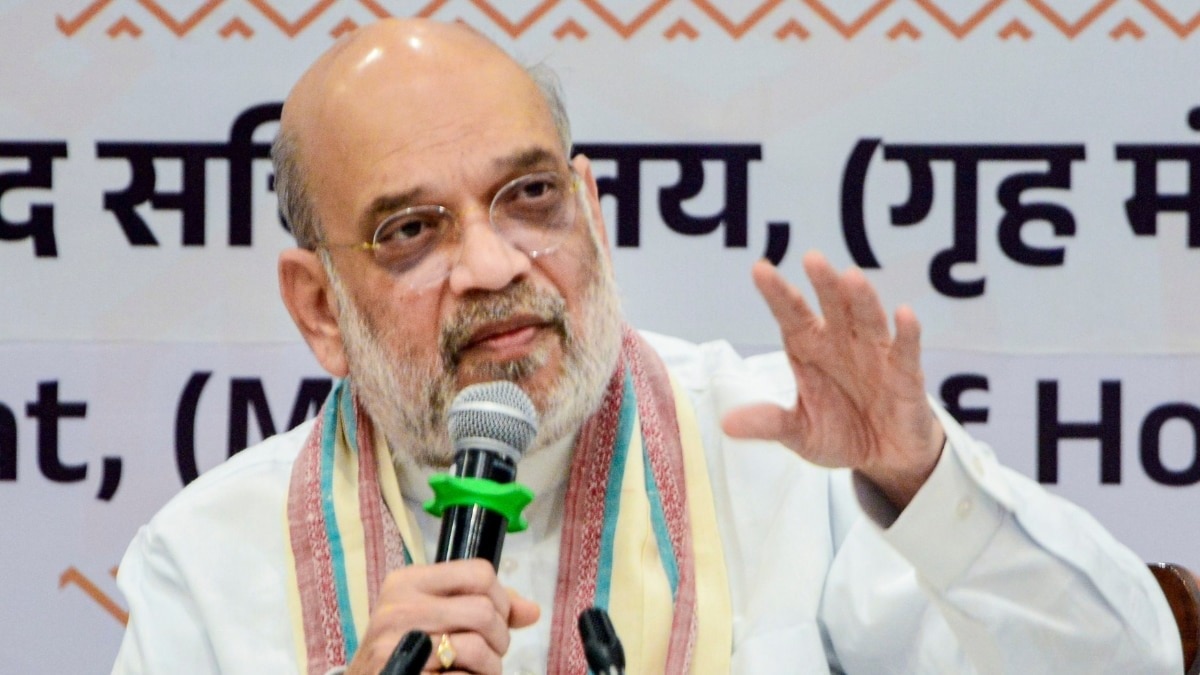
The Centre is preparing to take a closer look at rapidly changing demographic patterns in several border districts and urban centres across the country. The move follows Prime Minister Narendra Modi’s remarks from the Red Fort on August 15, 2025, when he expressed concern over what he described as “unnatural demographic changes” in certain regions. The government has since identified the issue as a matter linked not only to population trends but also to national security, social balance and administrative planning. To examine the issue in detail, the Ministry of Home Affairs (MHA) constituted a high-level committee on May 26, 2026, under the chairmanship of Justice Prakash Prabhakar Naolekar. Read Full Story According to sources, the committee will study demographic changes in areas along the India-Pakistan and India-Bangladesh borders as well as several urban centres. The panel is expected to submit its findings to the Home Ministry within one year. AMIT SHAH REVIEWS PROGRESS OF THE COMMITTEE Union Home and Cooperation Minister Amit Shah recently chaired a review meeting with senior Home Ministry officials to assess the progress of the committee and discuss arrangements required for its functioning. During the meeting, officials reviewed logistical support, administrative assistance and other resources needed for the committee’s work. The Home Ministry said the panel has already held its first meeting and finalised a detailed agenda. In the coming months, members are expected to undertake field visits across multiple regions before preparing a comprehensive report for the government.
WHAT IS DEMOGRAPHIC CHANGE AND WHAT WILL THE COMMITTEE STUDY? Demographic change refers to shifts in the population structure of a region. Such changes can occur naturally due to factors such as birth rates, mortality, employment opportunities, migration and economic activity. However, the government’s focus is on what it terms “unnatural demographic changes” that may arise from illegal infiltration, unchecked migration or other unusual factors that significantly alter the population balance of a region. Officials believe such changes can have implications for social and cultural structures, resource allocation, governance and security. The committee will examine these concerns and assess whether reported changes in population patterns are supported by factual evidence. BORDER AREAS TO REMAIN KEY FOCUS A major focus of the committee’s work will be districts located along the India-Bangladesh and India-Pakistan borders. Over the years, concerns have periodically been raised by security agencies and political groups regarding illegal infiltration and changes in population patterns in some border regions. States such as Assam, West Bengal and parts of the Northeast have frequently witnessed debates on demographic trends. Sources said the committee will interact with local administrations, security agencies, elected representatives and civil society groups during field visits. It is also expected to analyse Census data, voter rolls, migration records and other government databases to assess the situation. METROPOLITAN AND INDUSTRIAL CITIES ALSO UNDER SCANNER The committee’s mandate extends beyond border districts. According to the Home Ministry, major metropolitan centres and industrial hubs will also be examined as part of the study.
Cities such as Delhi, Mumbai, Bengaluru, Hyderabad, Noida, Gurugram, Ahmedabad and Pune attract large numbers of migrants from within India and abroad. The committee may examine both legal and illegal migration patterns in these urban centres. Government sources believe rapid urbanisation and unregulated migration can affect employment, law and order, public services and local infrastructure. Understanding these demographic shifts is therefore seen as important for future planning and policymaking. NATIONAL SECURITY DIMENSION The government is viewing the issue through a broader national security lens rather than merely as a population study. Security agencies have previously flagged concerns related to illegal infiltration, fraudulent identity documents, inclusion of unauthorised individuals in voter lists and organised settlement networks in sensitive regions. The Home Ministry believes that identifying the causes behind significant demographic shifts and taking timely corrective measures is essential for safeguarding national interests and maintaining administrative stability. KEY AREAS OF STUDY FOR THE COMMITTEE The high-level panel is expected to examine several critical aspects, including * Population growth trends in border districts. * Possible instances of illegal migration and infiltration. * Rising population pressures in metropolitan and industrial regions. * Impact on local resources and employment. * Social and cultural implications of demographic shifts. * Effects on law and order and internal security. * Policy recommendations for future governance. The committee is also expected to gather inputs from various ministries, state governments, security agencies and expert institutions. WHAT COULD BE THE GOVERNMENT’S NEXT STEPS?
Experts believe the committee’s findings could pave the way for a range of policy measures. Potential steps may include strengthening border management systems, tightening verification of identity documents, accelerating the identification and verification of illegal migrants and introducing special administrative measures in sensitive areas. The government may also consider creating data-driven monitoring mechanisms to track demographic trends and improve coordination among various agencies involved in migration and security management. WHY THE INITIATIVE MATTERS India’s social and cultural diversity is considered one of its greatest strengths. Against this backdrop, significant demographic changes in any region are increasingly being viewed not merely as statistical developments but as issues with wider implications for governance, social cohesion and security. The Prime Minister’s remarks on the issue and the subsequent formation of the high-level committee indicate that the Centre intends to place greater emphasis on demographic trends in the coming years. The Home Ministry’s decision to support the committee’s work and Amit Shah’s review of its progress underline the government’s intention to undertake a fact-based assessment before considering long-term policy measures. As the committee begins field visits and data collection, its eventual report is expected to contribute significantly to the national debate on demographic change, migration and security. For now, the government’s message is clear: understanding the ground reality through a comprehensive and evidence-based study will be the first step toward any future action. Ends
 The BriefWire